Best Lakes Near Millinocket Maine for Fishing
If you've ever stood on the edge of a vast, tranquil lake, rod in hand, only to wonder if you're even in the right spot for a decent catch, you're not alone. Many anglers dream of Maine's legendary fishing, but figuring out where to go, especially near a hub like Millinocket, can feel overwhelming. This guide is here to cut through that confusion, pointing you to the best lakes in the area and giving you the insights you need for a truly memorable fishing adventure.
The Allure of Millinocket for Anglers
Millinocket, often called the "Gateway to the Katahdin Region" and the "North Maine Woods," isn't just a picturesque town; it's a prime launching point for some of the most remote and rewarding fishing experiences in New England. This area boasts an incredible density of pristine lakes, ponds, and rivers, many teeming with native brook trout, landlocked salmon, and feisty smallmouth bass. What makes it truly special is the sense of wilderness you encounter. You're not just casting a line; you're immersing yourself in an untouched natural landscape that feeds the soul as much as it yields fish.
The landscape itself is rugged, characterized by dense forests, towering peaks like Mount Katahdin, and countless waterways. This means access can sometimes be a bit of an adventure, often involving logging roads or even float planes to reach the most secluded spots. But for those willing to make the journey, the rewards are often spectacular: unpressured fish, breathtaking scenery, and a profound sense of peace. Understanding the unique character of this region is key to planning a successful trip. It’s not just about the fish; it’s about the entire experience of the Maine wilderness.
Why the Millinocket Region Stands Out
This corner of Maine is truly special because it offers a blend of accessibility and true wilderness. Unlike more populated areas, the lakes around Millinocket maintain a wild character that's increasingly rare. The region is actively managed by the Maine Department of Inland Fisheries and Wildlife (MDIFW) to preserve its cold-water fisheries, meaning you'll find healthy populations of native species. This commitment to conservation ensures that the wild brook trout, in particular, continue to thrive, offering anglers a chance to connect with a truly iconic fish in its natural habitat. Many of these lakes fall under special regulations aimed at protecting these precious resources.
Moreover, the sheer variety of water bodies means there's something for every type of angler. Whether you prefer trolling for salmon on a vast lake, casting flies on a remote pond, or spinning for bass, the Millinocket area delivers. It's an ideal destination for those looking to escape the crowds and find a more authentic connection to nature and their sport. The deep, cold waters of these lakes are perfect for species that demand specific thermal conditions, ensuring robust and often large fish populations for those who know where to look.
Top Fishing Lakes in the Millinocket Vicinity
While there are countless ponds and smaller waters, some larger lakes stand out as prime destinations for anglers visiting Millinocket. These offer diverse opportunities, from trophy landlocked salmon to abundant brook trout. Each lake has its own character and best approach, making it essential to do a little homework before you arrive.
The beauty of this region is that you can spend years exploring and still find new honey holes. However, for those starting out, focusing on the well-known, productive waters is often the best strategy. Keep in mind that some of the very best fishing experiences here are found by venturing slightly off the beaten path, often requiring a bit more planning or the assistance of a local guide.
Millinocket Lake: The Closest Gem
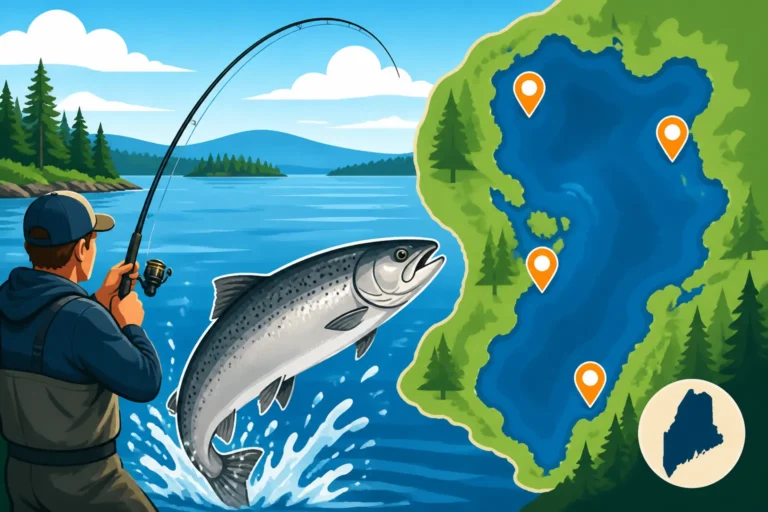
Millinocket Lake is literally on the doorstep of the town, making it incredibly convenient for a quick trip or a longer stay. It's a large, scenic body of water known for healthy populations of landlocked salmon, lake trout (togue), and smallmouth bass. Its accessibility means you'll find public boat launches, and it's a popular spot for both powerboaters and kayakers. The lake's structure, with its varying depths, coves, and points, provides excellent habitat for different species throughout the season.
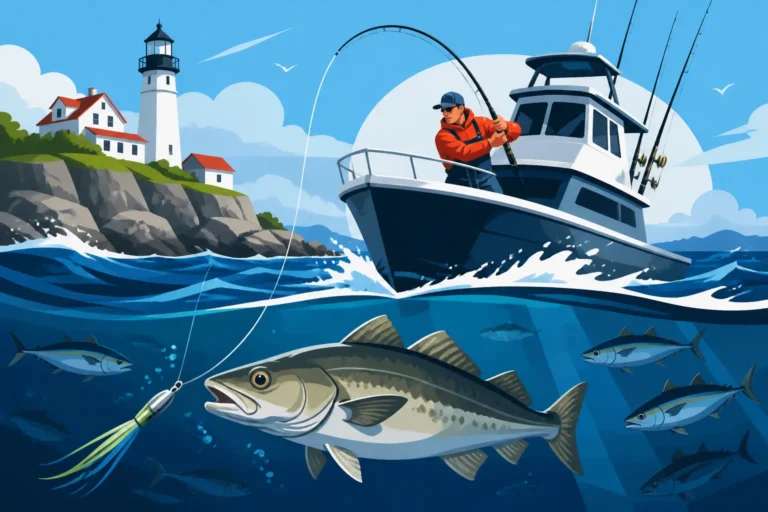
Anglers often target salmon and togue by trolling with spoons or baitfish imitations, especially in the deeper sections. For smallmouth bass, look for rocky shorelines, submerged structures, and areas around islands, particularly during the warmer months. Given its size, you might consider spending a full day here, exploring different sections to find where the fish are holding. This lake provides a fantastic "warm-up" before venturing into more remote territory. For specific limits and seasons, always consult the current Maine Fishing Regulations Explained, as rules can vary even on nearby waters.
Ambajejus Lake and Pemadumcook Chain: Bass and Salmon Haven
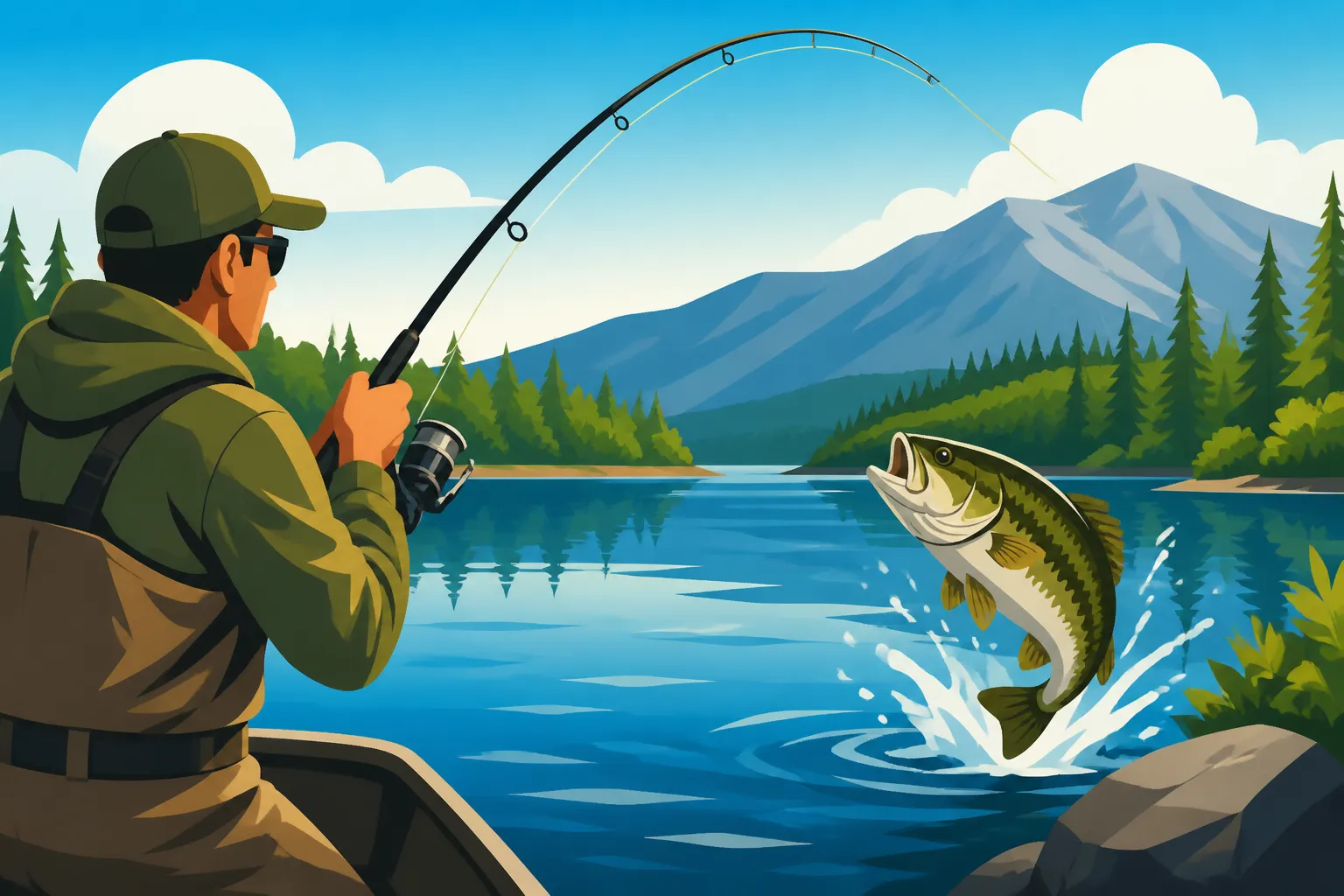
Just north of Millinocket Lake, you'll find Ambajejus Lake, which is part of a larger chain including Pemadumcook Lake, North Twin Lake, and South Twin Lake. This interconnected system, often referred to as the "Twin Lakes Region," offers a vast amount of fishable water. These lakes are especially renowned for their thriving smallmouth bass populations, with many anglers reporting excellent catches, particularly during the spring and early summer. The rocky bottom, abundant islands, and numerous coves create ideal bass habitat, making them a fantastic destination for topwater action or jigging.
Beyond bass, the deeper sections of these lakes also hold healthy populations of landlocked salmon and lake trout, providing diverse opportunities. Trolling is a popular method for targeting these cold-water species, especially when they move to deeper, cooler water during the summer. Access is relatively easy, with several boat launches available. When planning your trip, consider hiring a local guide who knows the intricate structure of these lakes, or at least studying detailed hydrographic maps to identify promising areas. You can often find reputable guides specializing in these lakes through services like FishingBooker, which lists local expertise for various locations.
Chesuncook Lake: Wilderness Experience and Diverse Species
Further into the North Maine Woods, past many miles of logging roads, lies Chesuncook Lake—Maine's third-largest lake. This vast, remote body of water offers a true wilderness fishing experience. It's a fantastic destination for landlocked salmon, lake trout, and brook trout, especially in its numerous coves and tributaries. Due to its size and remoteness, Chesuncook provides an unparalleled sense of solitude and adventure. Access generally requires navigating unpaved roads, and many anglers choose to stay at remote sporting camps or utilize float plane services for convenience and to maximize their fishing time.
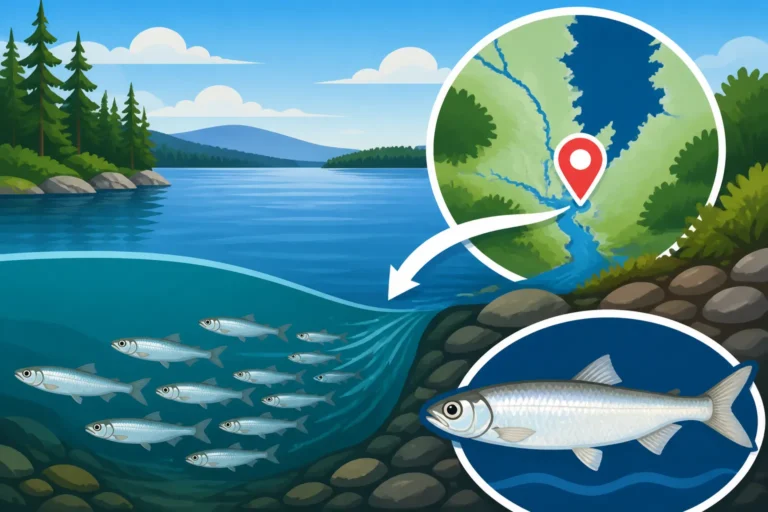
The sheer expanse of Chesuncook means fish often have ample forage and grow to impressive sizes. For salmon and togue, deep trolling is the name of the game, particularly during the height of summer. Brook trout can be found in shallower coves and where feeder streams enter the lake, especially in cooler weather or early mornings. Due to the challenging access, it's wise to plan this trip meticulously. Packing plenty of supplies, having reliable navigation, and checking road conditions are paramount. This lake is less about quick catches and more about the deep satisfaction of a wilderness adventure and the potential for a trophy fish.
Nahmakanta Lake: Remote Trout Fishing
If pristine brook trout fishing is what you seek, and you're willing to go a bit more off-grid, Nahmakanta Lake is a gem worth the effort. Located southwest of Millinocket, access to Nahmakanta is through private logging roads, often requiring a gate fee or special permission, and a high-clearance vehicle is recommended. This lake is managed for wild brook trout, and the rewards can be exceptional. Its relatively untouched nature means less fishing pressure and a higher chance of encountering beautiful, native fish.
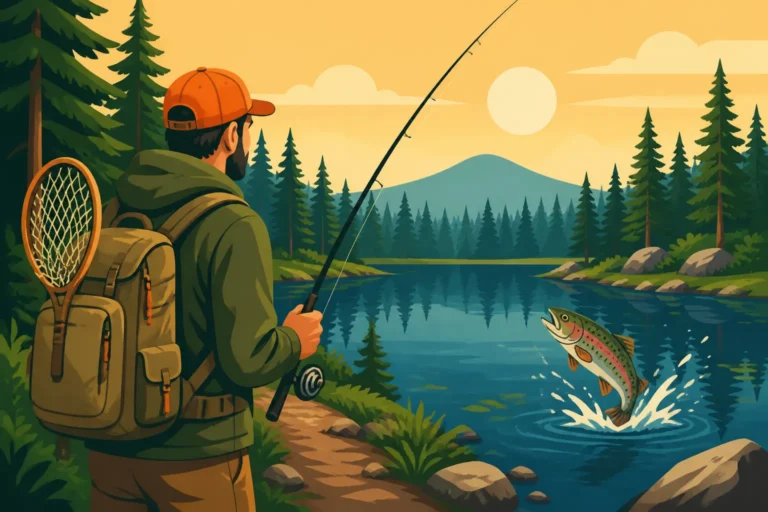
Anglers typically target brook trout using fly fishing techniques, casting small streamers, nymphs, or dry flies depending on the hatch. Trolling with traditional Maine flies or small spoons can also be effective. The lake's clear, cold waters and abundant insect life make it a prime habitat for these vibrant fish. Be prepared for a rustic experience, as amenities are few and far between. This is a place where respect for the wilderness is paramount, and practicing catch and release for larger fish helps maintain its incredible fishery. For insights into this species, explore our detailed guide on Brook Trout Fishing in Maine.
Essential Gear and Techniques for the Millinocket Region
Fishing around Millinocket means being prepared for a variety of conditions and target species. While specific gear will depend on your chosen lake and fish, some general considerations apply across the board. The diverse habitats, from deep cold lakes to rocky river sections, demand versatility in your tackle box.
One key aspect of fishing in this region is adaptability. Weather can change quickly, and fish behavior can shift dramatically with conditions. Having a range of lures, baits, and tackle will serve you well. Don't forget the essentials for personal comfort and safety in the wilderness, as some areas are quite remote.
What to Bring: Rods, Reels, and Lures
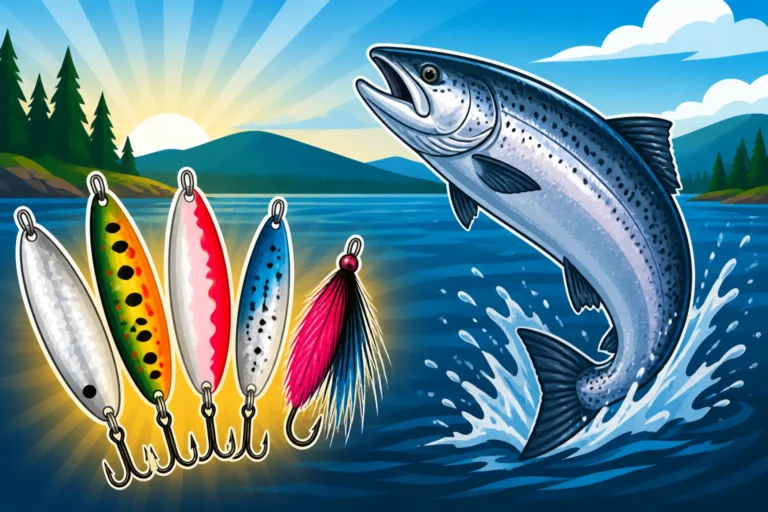
For trolling for salmon and togue on larger lakes like Millinocket or Chesuncook, a medium-action spinning or baitcasting rod, around 7-8 feet, paired with a reel spooled with 10-15 lb test monofilament or fluorocarbon line, is ideal. Popular lures include classic spoons like Mooselook Wobblers, DB Smelts, and Suttons, often in silver, blue, or gold patterns. For deeper presentations, consider lead core line or downriggers. Learn more about Trolling Techniques for Maine Lakes to refine your approach.
For smallmouth bass, especially on the Ambajejus/Pemadumcook chain, lighter spinning gear (6-7 foot medium-light rod with 6-8 lb test line) is perfect. Topwater lures like poppers and walk-the-dog baits are incredibly exciting, while jigs, soft plastic worms, and crankbaits work wonders when bass are deeper. For fly fishing for brook trout in smaller ponds or stream inlets, a 3-5 weight fly rod with a matching reel and floating line is suitable, along with an assortment of dry flies, nymphs, and small streamers.
Best Fishing Seasons and Times
The fishing seasons around Millinocket broadly follow the general statewide regulations, but specific lake regulations can vary. Open water fishing typically kicks off with "ice-out" in late April or early May, which is often prime time for hungry salmon and trout cruising near the surface. As summer progresses, these cold-water species move deeper, making trolling more effective. Smallmouth bass fishing heats up in late spring and stays strong through the summer, offering excellent action.
Fall fishing, particularly for brook trout and salmon, can be spectacular as water temperatures cool and fish become more active in shallower waters. This time of year also offers breathtaking foliage views. Winter, of course, brings ice fishing, which is a beloved tradition in Maine. Many of these lakes, including Millinocket Lake and parts of the Twin Lakes, offer fantastic opportunities for ice fishing, targeting togue, salmon, and even brook trout through the ice. Always check the official Maine Fishing Season Dates Guide for the most up-to-date information on specific waters.
Planning Your Millinocket Fishing Expedition
A successful fishing trip to the Millinocket region requires more than just knowing where the fish are; it involves careful planning, understanding local regulations, and often, embracing the services of local experts. The remote nature of some of these waters means you need to be self-sufficient and prepared for any eventuality.
From securing your fishing license to understanding bag limits and potentially hiring a guide, each step contributes to a smooth and enjoyable experience. Remember, this is the true Maine wilderness, and preparation is key to safety and success.
Licenses and Regulations
Before you even think about casting a line, ensure you have a valid Maine Fishing License Guide. You can purchase these online, at various town offices, or through local sporting goods stores. Always carry your license with you when fishing. Understanding the local rules is equally crucial; Maine has specific Maine Fishing Regulations Explained for different water bodies, zones, and species. These regulations cover everything from minimum length requirements and bag limits to bait restrictions and fishing methods. A single lake might have different rules for different species, so it pays to be informed.
For example, the bag limits for brook trout in the North Zone may differ from those in the South Zone, and some waters might be catch-and-release only. These rules are put in place to protect Maine's valuable fisheries, so adherence is not just about avoiding fines; it's about being a responsible angler. The MDIFW provides a comprehensive fishing law book, often available digitally or at license agents, which should be your go-to resource.
Hiring a Local Guide
For many visitors, especially those new to the expansive and sometimes challenging waters around Millinocket, hiring a Registered Maine Guide can make all the difference. These guides possess invaluable local knowledge, from knowing the hot spots and current fish behavior to navigating logging roads and ensuring your safety in the backcountry. A guide can significantly increase your chances of success, help you learn specific techniques for the area, and provide all the necessary gear if you don't have your own. Whether you're targeting trophy togue or looking for a secluded brook trout pond, their expertise is unmatched.
Many guides offer half-day, full-day, or even multi-day trips, including remote fly-in or canoe camping expeditions. When looking for a guide, consider their specialties (e.g., fly fishing, trolling, ice fishing) and their experience in the specific lakes you're interested in. Websites like FishingBooker can be a great resource to find reputable, licensed Maine guides operating in the Millinocket area, allowing you to compare services and book directly. Don't hesitate to ask prospective guides about their experience, what they provide, and what you should bring. For a deeper dive, check out our guide on Hiring a Maine Fishing Guide.
Where to Stay and Other Considerations
Beyond the fishing itself, planning your overall trip to the Millinocket area involves thinking about accommodations, food, and other logistical details. The town of Millinocket offers basic amenities, but if you're venturing further into the wilderness, self-sufficiency becomes crucial.
Being prepared for everything from unexpected weather changes to wildlife encounters is part of the charm and challenge of fishing in this region. A little foresight goes a long way in ensuring your trip is not only successful but also safe and comfortable.
Accommodations and Services
In Millinocket itself, you'll find a range of lodging options, from motels and inns to cabin rentals. These provide a comfortable base with easy access to restaurants and supplies. For those seeking a more immersive experience, there are numerous sporting camps and lodges located closer to the lakes, some offering traditional Maine hospitality with meals included. These often cater specifically to anglers, providing boat rentals, guide services, and even float plane access to truly remote waters.
If you plan to camp, several state and private campgrounds are available, including those within Baxter State Park or along the scenic byways. Remember to book accommodations well in advance, especially during peak fishing seasons or popular events. For a truly authentic experience, many visitors choose to stay at remote sporting camps, which often have their own boat launches and knowledgeable staff. Remember to stock up on essentials in Millinocket before heading out to more remote locations, as convenience stores become few and far between.
Safety and Respecting the Wilderness
Fishing in the Millinocket region means entering a vast and sometimes unforgiving wilderness. Safety should always be your top priority. Always inform someone of your itinerary, especially if you're venturing into remote areas. Carry a map, compass, or GPS, and know how to use them. Cell service can be spotty or nonexistent in many parts of the North Maine Woods, so don't rely on your phone for navigation or emergencies. Consider carrying a satellite communication device like a Garmin inReach for added safety.
Be prepared for sudden weather changes, including rain, strong winds, or even unseasonable cold. Pack layers of clothing, rain gear, and plenty of water and snacks. Encounters with wildlife, including moose, bear, and various smaller creatures, are common; maintain a respectful distance and know how to react in different situations. Lastly, practice Leave No Trace principles: pack out everything you pack in, minimize your impact, and respect private property. The beauty of this region depends on every visitor doing their part to preserve it. For more insights on safety and planning, consider connecting with local experts or booking a trip through a reputable service like FishingBooker to ensure you have experienced guidance.
Disclaimer
The information provided in this guide is for general informational purposes only and is not a substitute for official regulations, professional advice, or personal research. Fishing regulations, seasons, and access can change frequently. Always consult the latest Maine Department of Inland Fisheries and Wildlife (MDIFW) regulations and local authorities before planning any fishing trip. Safety in the outdoors is paramount; be prepared and take necessary precautions.