Roach River Fly Fishing Near Moosehead Lake
The Roach River, nestled in the shadow of the vast Moosehead Lake region, presents a specific and often challenging experience for fly anglers, yet it consistently rewards those who understand its nuances. Many anglers feel a mix of excitement and trepidation when approaching a highly regulated and productive wild trout fishery, wondering if they have the right gear, the right flies, or simply the right approach. This comprehensive guide aims to demystify fly fishing on the Roach River, providing detailed insights into its unique ecosystem, special regulations, effective techniques, and crucial conservation practices to ensure a memorable and responsible trip.
Understanding the Allure of Roach River for Fly Fishing
The Roach River isn't just another Maine waterway; it holds a special place in the hearts of many dedicated fly anglers. Its reputation as a premier wild brook trout fishery near the legendary Moosehead Lake is well-earned, drawing enthusiasts from far and wide seeking the thrill of a truly wild fish in a pristine setting. This river system boasts characteristics that make it uniquely suited for the delicate art of fly fishing, demanding respect and rewarding patience.
A Unique Ecosystem and Trout Haven
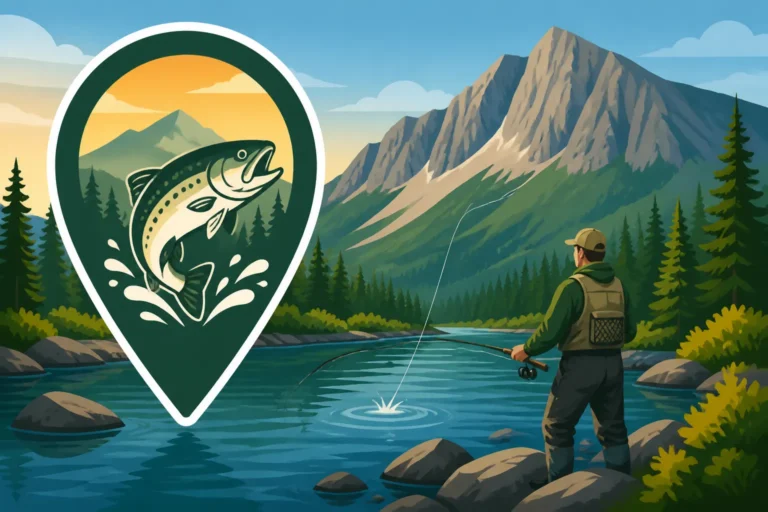
What makes the Roach River so exceptional for brook trout is a combination of geographical and hydrological factors. Originating from Roach Ponds and flowing directly into Moosehead Lake, the river benefits from a consistent supply of cold, oxygen-rich water – a critical requirement for brook trout to thrive, especially during Maine's warmer summer months. This cold-water influx keeps temperatures stable, providing a crucial refuge for trout when other waterways might become too warm.
The riverbed itself is a diverse tapestry of gravel, cobble, and large boulders, creating an intricate network of riffles, runs, and deep, clear pools. These varied structures offer ample cover, feeding lanes, and resting areas for trout, making it a dynamic environment to explore with a fly rod. The surrounding forest canopy provides natural shade, further contributing to the river's cool temperatures and adding to the wild, remote feel, even though it's relatively accessible. It's a textbook example of prime brook trout habitat, where every bend in the river seems to hold a promise of a beautiful, native fish. The quality of the water is visibly clear, allowing for sight-fishing opportunities on bright days, but also demanding a stealthy approach from anglers.
The Thrill of Wild Brook Trout
For many, the pursuit of wild brook trout is the purest form of fly fishing, and the Roach River offers exactly that. Unlike their hatchery-raised counterparts, wild brook trout possess a vibrancy in color, a resilience in their fight, and an innate wariness that makes them incredibly challenging and rewarding to catch. These fish have adapted to their natural environment, developing keen senses and instincts that require anglers to bring their A-game.
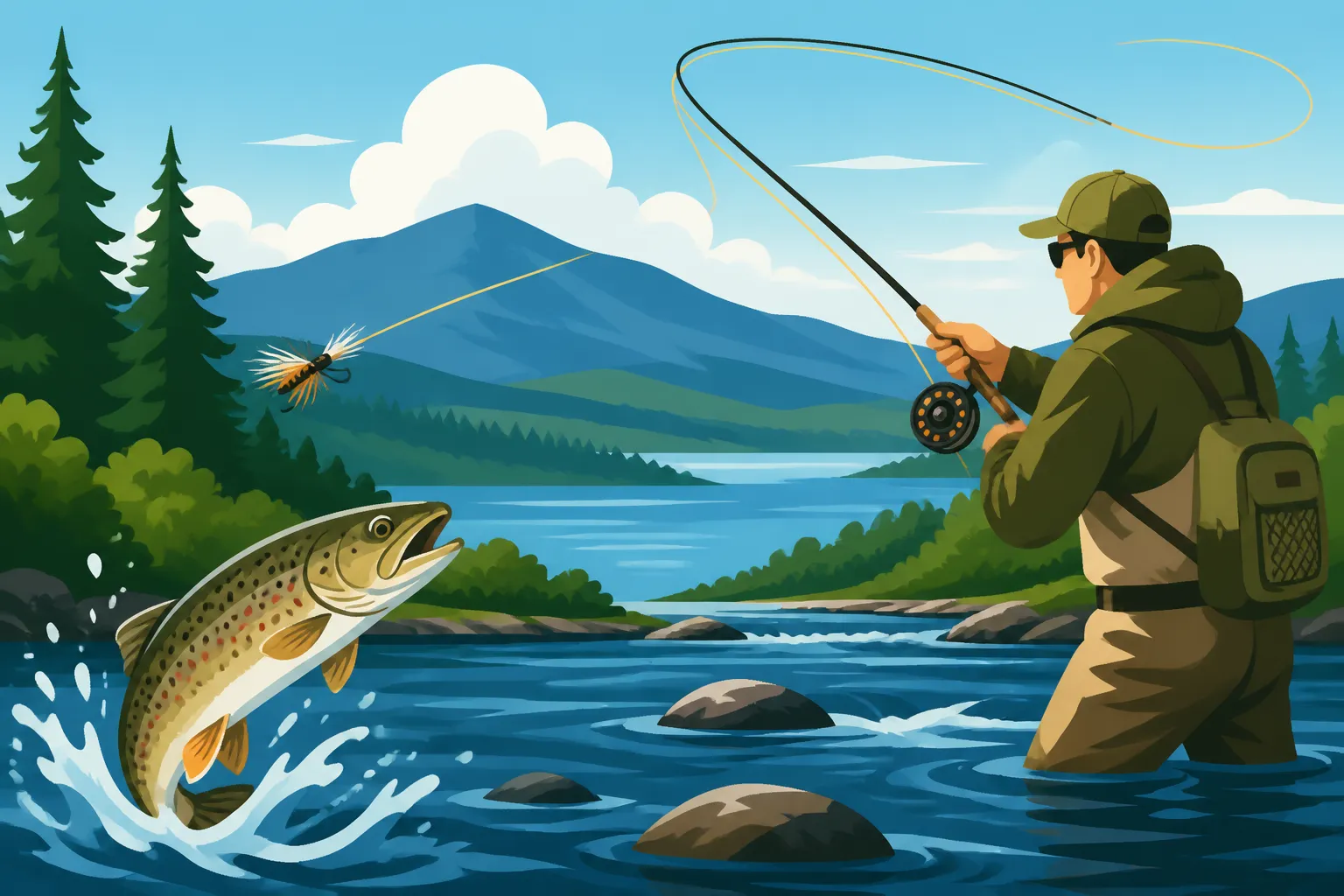
A wild Roach River brook trout, with its iridescent flanks speckled with crimson and gold, is a true gem of the Maine wilderness. Their fight is spirited and acrobatic, often marked by quick runs and impressive leaps that will test your tackle and your reflexes. Catching one isn't just about the fish itself; it's about the entire experience of outsmarting a creature perfectly adapted to its wild domain. It's this deep connection to nature and the challenge of the chase that draws anglers back to the Roach River year after year. Every wild fish released is a testament to the health of the ecosystem and the angler's commitment to conservation, ensuring these pristine populations continue to thrive.
Navigating Access and Regulations for Roach River
Before you even think about casting a line on the Roach River, understanding the specific access points and the often-unique regulations governing this special fishery is absolutely paramount. Maine's Department of Inland Fisheries and Wildlife (MDIFW) implements specific rules to protect these valuable resources, and being prepared is not just about avoiding fines, but about preserving the fishing for everyone.
Public Access Points and Parking
Accessing the Roach River is generally straightforward, but it's important to know where you can legally park and enter the water. The river parallels Route 113 for a significant stretch, making several sections relatively accessible from the road. One of the most common and well-known access points is near the former site of Kokadjo, a small unorganized territory located northeast of Greenville. From Greenville, you’ll typically take Lily Bay Road and then follow signs towards Kokadjo. The river crosses this main route in several places, and there are often small pull-offs or designated parking areas that allow for river access.
However, "accessible" in the Maine North Woods often still means a bit of a hike through varied terrain, so be prepared for some walking, potentially over uneven ground or through brush, to reach your desired fishing spots. Always be mindful of private property signs; while many sections are publicly accessible, some land bordering the river may be privately owned. Respecting these boundaries is crucial for maintaining good relationships between anglers and landowners. When you park, ensure your vehicle is completely off the main road and not obstructing any access points or traffic. On busy days, parking can fill up quickly, so arriving early is often a good strategy to secure a spot and get a head start on the prime fishing hours.
Essential Regulations and Special Rules
The Roach River is a "Special Regulation" water in Maine, which means it has rules that deviate from the general statewide fishing laws. You absolutely cannot rely on general assumptions here; you must consult the current "Maine Fishing Regulations Explained" guide from the MDIFW before your trip. These regulations are designed to protect the wild brook trout population and ensure sustainable fishing.
Typically, the Roach River is managed as a "fly-fishing only" water with "catch and release" requirements, and often has specific seasonal restrictions. For instance, in many sections, you might find that fishing is only permitted with artificial lures and flies, and all brook trout must be immediately released alive. There might also be a specific "Maine Fishing Season Dates Guide" for the Roach River that differs from surrounding waters, with distinct opening and closing dates. It's common to find certain stretches of the river open for only a few months of the year to protect spawning fish or give them a break from angling pressure. Understanding "Brook Trout Daily Bag Limits" is also critical, though on catch-and-release sections, the limit is zero.
It's not uncommon for these regulations to change year to year based on fish populations and conservation efforts, so downloading the latest Maine Open Water & Ice Fishing Laws booklet or checking the MDIFW website is non-negotiable. Don't risk a hefty fine or, more importantly, harming the fishery by being uninformed. If you're feeling overwhelmed by the specific regulations or unfamiliar with the best spots, a local guide can make all the difference. Platforms like FishingBooker can connect you with experienced Registered Maine Guides who specialize in areas like the Roach River and can provide invaluable, up-to-the-minute information on local rules and conditions.
Proven Fly Fishing Techniques for Roach River Success
Successfully fly fishing the Roach River for its elusive wild brook trout requires more than just a license and a fly rod; it demands a thoughtful approach to fly selection, presentation, and an ability to read the water effectively. These fish are wild, and they are smart, meaning generic tactics often won't cut it.
Matching the Hatch and Fly Selection
One of the most effective strategies on any trout stream, and especially the Roach River, is "matching the hatch." This involves observing what insects are active in, on, or around the water and selecting a fly pattern that closely imitates them. The Roach River is rich in aquatic insect life, with various species of mayflies, caddisflies, and stoneflies emerging throughout the season. Early season might see large stoneflies or early caddis, while mid-summer often brings a proliferation of smaller mayflies and terrestrial insects like ants and grasshoppers.
For dry fly fishing, patterns like Parachute Adams, Elk Hair Caddis, or Stimulators are often go-to choices when fish are rising. If there's no visible hatch, or if the fish are holding deeper, nymphing can be incredibly productive. Pheasant Tail Nymphs, Hare's Ear Nymphs, and Prince Nymphs are excellent subsurface imitations. Don't forget streamers like Woolly Buggers or Grey Ghosts, especially in deeper pools or during higher water, as they can effectively mimic baitfish or larger nymphs. Remember, the goal is to make your fly look as natural as possible. For more detailed guidance, consider consulting guides like "How to Match the Hatch on Maine Rivers" and "Best Flies for Brook Trout in Maine Streams" to prepare your fly box. A table summarizing common flies and their seasons might look like this:
| Fly Type | Common Patterns | Target Insect/Prey | Best Season | Water Conditions |
|---|---|---|---|---|
| Dry Flies | Parachute Adams, Elk Hair Caddis, Stimulator, Royal Wulff | Mayflies, Caddis, Stoneflies, Terrestrials | Late Spring, Summer, Fall | Low to Medium Flows, Rising Fish |
| Nymphs | Pheasant Tail, Hare's Ear, Prince Nymph, Copper John | Mayfly & Caddisfly Larvae, Stonefly Nymphs | Year-Round (Open Season) | Any, especially Deeper Water |
| Streamers | Woolly Bugger (black, olive), Grey Ghost, Black Ghost | Baitfish, Large Nymphs | Early Season, High Water, Deep Pools | Higher Flows, Discolored Water |
| Terrestrials | Ant patterns, Hopper patterns, Beetle patterns | Ants, Grasshoppers, Beetles | Mid-Summer, Early Fall | Warmer, Sunny Days |
Always carry a variety of sizes and colors, as brook trout can be incredibly selective. For example, a size 18 Parachute Adams might be ignored, but a size 16 or 20 could be the ticket.
Reading the Water and Presentation Tips
Successfully presenting your fly on the Roach River involves keen observation and a delicate touch. Wild brook trout are easily spooked and will often reject a poorly presented fly. Start by "reading the water" – identifying potential holding lies where trout might be feeding or resting. Look for seams where fast and slow water meet, current breaks behind large rocks, undercut banks, deep pools, and the tail-outs of riffles. These are prime spots where trout expend minimal energy while having access to drifting food.
Your presentation should be as natural and drag-free as possible. For dry flies, this means a perfect "dead drift" where the fly floats downstream at the same speed as the current, mimicking a natural insect. Mending your line (making small adjustments to keep the fly drifting naturally) is a crucial skill here. When nymphing, use strike indicators to detect subtle takes and ensure your nymphs are tumbling along the bottom. Upstream casts are often preferred as they allow your fly to drift naturally back towards you before the line spooks the fish.
Stealth is also critical. Approach the riverbank quietly, use natural cover, and avoid wading unnecessarily. If you must wade, do so slowly and carefully, minimizing disturbance. Often, the largest fish are found closer to the bank, so a long, accurate cast from a distance can be more effective than wading right into a promising spot. Focus on casting accuracy, minimizing false casts, and making your first cast count, as this is often when a fish is most likely to strike.
The Best Seasons and Times to Fish Roach River
Timing your visit to the Roach River can significantly impact your success, as fish behavior and insect activity fluctuate throughout the year. While Maine offers a long fishing season, the sweet spots for fly fishing on this particular river often fall within specific windows.
Spring's Promise and Early Summer Action
As the ice retreats from the lakes and rivers around the Moosehead region, spring signals a period of renewed activity. The "ice-out" typically happens in late April or early May, and the "Maine Fishing Season Dates Guide" for the Roach River often kicks off shortly after. In early spring, water temperatures are cold, and trout are often lethargic but actively feeding on larger subsurface insects or baitfish after a long winter. Streamers and larger nymphs fished deep can be highly effective during this time. The water levels can be higher due to snowmelt and spring rains, which can make wading challenging but also provides excellent cover for fish.
As spring transitions into early summer (late May through June), insect hatches become more prolific. Mayflies and caddisflies start to emerge in earnest, offering exciting dry fly opportunities, especially during overcast days or in the early morning and late evening hours. This period also sees brook trout becoming more aggressive as water temperatures rise into their preferred range, making them more willing to chase and strike flies. However, as summer progresses and temperatures peak, the fishing can become more challenging, especially during the brightest parts of the day, as trout will seek deeper, cooler water.
Fall's Vibrant Colors and Active Trout
For many seasoned fly anglers, autumn on the Roach River is the undeniable peak season. As the leaves around Moosehead Lake explode in a riot of reds, oranges, and yellows, the brook trout become incredibly active, preparing for their spawning season. Water temperatures cool down significantly from summer highs, reinvigorating the fish. This is when you'll often find the most vibrant and aggressive brook trout, adorned in their brilliant spawning colors.
Fall fishing can offer a fantastic mix of dry fly action, nymphing, and streamer fishing. Trout are often less selective than in the height of summer, willing to take a wider range of patterns. The cooler temperatures also mean that fishing can be productive throughout the day, not just at dawn and dusk. This is a prime time to target larger brook trout that have fed aggressively all summer. The serene beauty of the Maine wilderness combined with the active fishing makes fall an unforgettable experience. However, remember that the "Maine Fishing Season Dates Guide" for the Roach River will have a specific closing date, typically in September or early October, to protect spawning fish, so plan your trip accordingly. For an overall picture of optimal times, our "Best Time of Year to Fish in Maine" guide offers broader context.
Gear Essentials for Your Roach River Adventure
Having the right gear for fly fishing the Roach River isn't about having the most expensive equipment, but rather having reliable, appropriate tools that enhance your experience and ensure your safety. The wild nature of the river and the North Woods environment dictates certain necessities.
Rods, Reels, and Line Choices
For the typical size of brook trout found in the Roach River and the river's moderate size, a 3-weight or 4-weight fly rod is usually ideal. A 7'6" to 9' length will offer a good balance of accuracy for smaller casts in tight spaces and enough reach for longer drifts. A slower to medium action rod will provide delicate presentations, which are often key for wary wild trout. While a 5-weight rod can certainly work, it might feel a bit overpowered for many of the fish you'll encounter and reduces the finesse required.
Your fly reel doesn't need to be a high-end, large-arbor drag monster. A simple, reliable click-and-pawl or disc drag reel that balances your rod and holds your line and backing adequately is perfectly sufficient. Brook trout aren't typically known for screaming runs that demand an ultra-smooth drag system.
For your fly line, a weight-forward floating line that matches your rod weight (e.g., WF3F or WF4F) is the standard choice. This type of line helps with casting accuracy and delicate presentations. You'll want a leader that is roughly the length of your rod (7.5 to 9 feet) and tapers down to a tippet of 5X or 6X. On particularly clear days or for finicky fish, you might even drop down to 7X, but be mindful of breakage. Always carry extra tippet spools in various sizes, as you'll be re-tying flies and potentially losing some to snags.
Waders, Boots, and Safety Gear
Given that the Roach River is a cold-water fishery, even in summer, a good pair of chest waders is essential for comfort and access. Neoprene waders are excellent for colder spring and fall conditions, offering superior insulation. Breathable waders are more versatile for warmer weather, but layering underneath is crucial for warmth.
Pair your waders with sturdy wading boots that have good ankle support and provide excellent grip on slippery, moss-covered rocks. Felt soles offer the best traction on wet rocks, but rubber soles with studs can be a good alternative, especially if you'll also be walking on trails. Never underestimate the slipperiness of river rocks; a fall in cold water can quickly turn a fun outing into a dangerous situation.
Beyond fishing-specific gear, prioritizing safety gear is non-negotiable in the Maine woods. A wading staff is highly recommended for stability and testing depths, especially in unknown sections of the river. Carry a small first-aid kit, a whistle, and navigational aids like a map and compass or a reliable GPS device, as cell service can be spotty. Always inform someone of your fishing plans and expected return time. Dress in layers, as weather can change rapidly. A rain jacket, even on a sunny forecast, is a smart addition to your pack. And don't forget insect repellent, especially during black fly and mosquito season!
Conservation and Etiquette on the Roach River
Fishing the Roach River is not just about the catch; it's about being a responsible steward of a truly special natural resource. With its sensitive wild brook trout population and pristine environment, practicing proper conservation and showing respect for the river and other anglers is paramount.
Practicing Catch and Release
As a "fly-fishing only" and "catch-and-release" fishery (in most sections), the Roach River thrives because anglers adhere to ethical practices. Every fish you catch and release has the chance to grow, spawn, and contribute to the next generation of wild brook trout. To ensure the highest survival rate for these precious fish, follow these guidelines:
- Handle fish minimally and gently: Avoid squeezing or dropping the fish.
- Keep fish in the water as much as possible: Excessive air exposure is highly stressful and can be fatal. If you want a photo, get your camera ready before lifting the fish, and hold it out of the water for only a few seconds.
- Wet your hands: Dry hands can remove the protective slime layer (mucus) from a fish, making it vulnerable to disease.
- Use barbless hooks: Barbless hooks greatly reduce tissue damage and make hook removal quicker and easier. You can pinch down barbs on your regular hooks with pliers.
- Remove hooks quickly: Use forceps or hemostats to carefully back out the hook. If a fish is deeply hooked, snip the line as close to the hook as possible rather than tearing the fish's mouth.
- Revive the fish: Hold the fish gently facing upstream in a current, allowing water to flow over its gills. Only release it when it can swim away under its own power. Do not just toss it back.
Our "Catch and Release Best Practices in Maine" guide offers even more comprehensive advice on how to ensure the fish you release swim away strong and healthy. This commitment to conservation is what allows future generations to experience the same thrill of catching these magnificent fish.
Respecting the Resource and Other Anglers
The Roach River offers a sense of solitude and connection with nature, and it's up to every angler to preserve that experience. "Leave No Trace" principles are fundamental here. Pack out everything you pack in, including all trash, discarded fishing line, and any other litter. Inspect your fishing area before leaving to ensure it's as pristine as you found it, if not more so.
Respecting other anglers is also vital. The Roach River can see its fair share of visitors, especially during peak season. Give other anglers ample space; generally, a rule of thumb is to give at least 100 feet of river between yourself and another angler, or even more if the river allows. Don't crowd someone's spot, and if you see someone fishing a stretch, consider moving to another section or waiting patiently for them to move on. A friendly nod or quiet greeting is always appreciated, but avoid loud noises or disruptive behavior that might disturb the peace or spook the fish.
Finally, remember that the Maine Department of Inland Fisheries and Wildlife (MDIFW) works tirelessly to manage and protect these fisheries. Their regulations are in place for a reason. If you observe any suspicious activity, such as illegal fishing or environmental damage, contact the local game warden. Your vigilance helps safeguard the Roach River for all to enjoy. The river is a precious gem in Maine's fishing landscape, and collective responsibility ensures its health and vitality for years to come.
Disclaimer
Please be aware that fishing regulations in Maine, including those specific to the Roach River, can change. It is always the angler's responsibility to consult the most current Maine Open Water & Ice Fishing Laws booklet, available from the Maine Department of Inland Fisheries and Wildlife (MDIFW), before planning any fishing trip. The information provided in this guide is for general informational purposes only and should not be considered a substitute for official regulations.