Is Moosehead Lake Good for Fly Fishing?
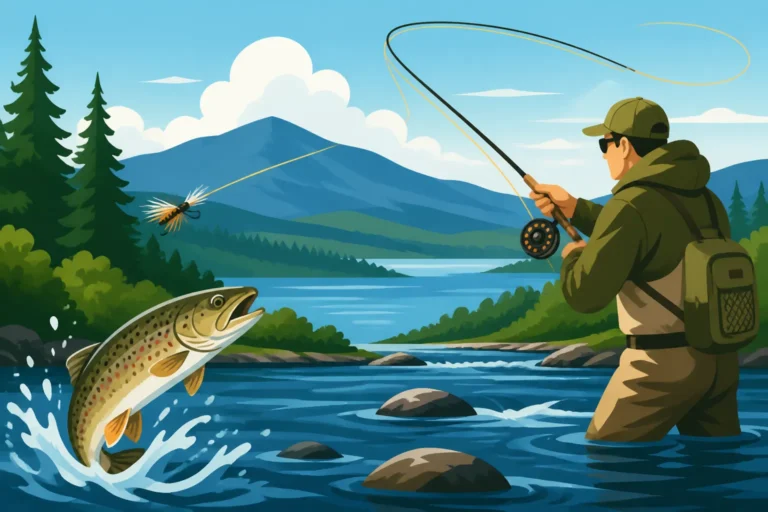
The vastness of Moosehead Lake can feel intimidating to any angler, let alone a fly fisherman accustomed to smaller streams or ponds. The sheer size, varying depths, and often windy conditions make many wonder if this iconic Maine lake truly offers a rewarding fly-fishing experience. Rest assured, while it presents unique challenges, Moosehead Lake absolutely holds incredible potential for fly anglers seeking to connect with some of Maine's most prized coldwater fish. This guide will delve deep into how you can successfully navigate its waters with a fly rod, turning those daunting challenges into unforgettable triumphs.
Understanding Moosehead Lake's Fly Fishing Potential
Moosehead Lake isn't your typical small, wadeable trout stream; it's a massive, glacier-carved inland sea. Its sheer scale and diverse aquatic environments mean that successful fly fishing here requires a different approach than what many anglers might be used to. But with its abundant cold, oxygenated water and numerous feeder streams, it provides ideal habitat for some truly spectacular fish.
The Diverse Habitats of Moosehead
Spanning over 75,000 acres with depths plunging over 240 feet, Moosehead Lake is a true inland wilderness. This immense body of water offers an incredible array of habitats, each holding different opportunities for the discerning fly angler. You have the vast, open expanses of deep water where coldwater species lurk, particularly during the warmer months, but you also have countless shallow coves, rocky points, and submerged structures that hold fish at various times of the year. The numerous rivers and streams that flow into Moosehead Lake, like the Roach River, are crucial for spawning and offer fantastic opportunities for those willing to explore.
Understanding these varied environments is key to unlocking Moosehead's fly fishing potential. Nearshore areas, especially during spring and fall, can be incredibly productive as fish move into shallower water to feed. Rocky shorelines and gravel bars provide excellent structure. As summer heats up, fish retreat to the cooler, deeper zones, making them harder to reach with conventional fly tackle from shore. However, the mouths of feeder streams or areas with significant current can still hold fish, as these spots often provide cooler, oxygen-rich water even in the dog days of summer. This diversity means your approach will need to be flexible and adaptable, but the rewards are well worth the effort.
Key Species for Fly Anglers
Moosehead Lake is renowned for its coldwater fishery, and for fly anglers, three species stand out as primary targets: Landlocked Salmon, Brook Trout, and Togue (Lake Trout). These fish thrive in Moosehead's pristine, cold waters and offer exciting battles on a fly rod.
Landlocked Salmon are perhaps the most celebrated prize on Moosehead. Known for their acrobatic jumps and powerful runs, these fish are a dream for any fly angler. They feed heavily on smelt, so matching their forage base is crucial. You'll find them cruising nearshore after ice-out, congregating around stream mouths, and later descending to deeper, cooler waters as the season progresses. If you're wondering, "How Big Do Landlocked Salmon Get in Maine?", Moosehead Lake is certainly one of the places where you can hook into a truly impressive specimen.
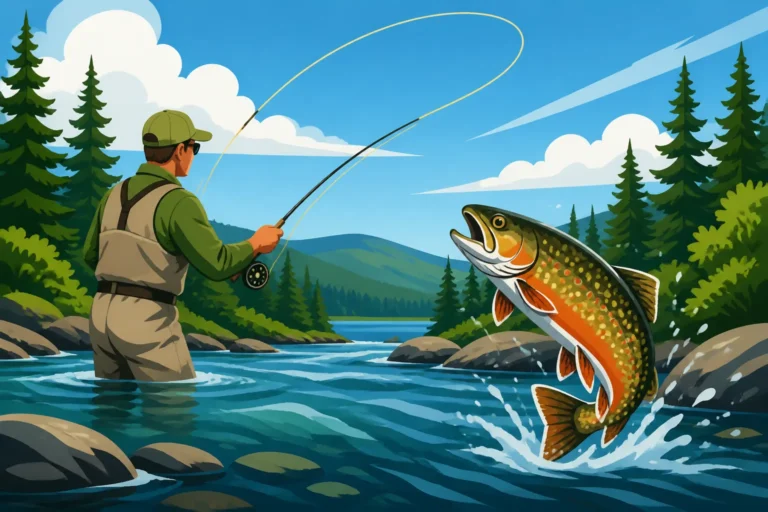
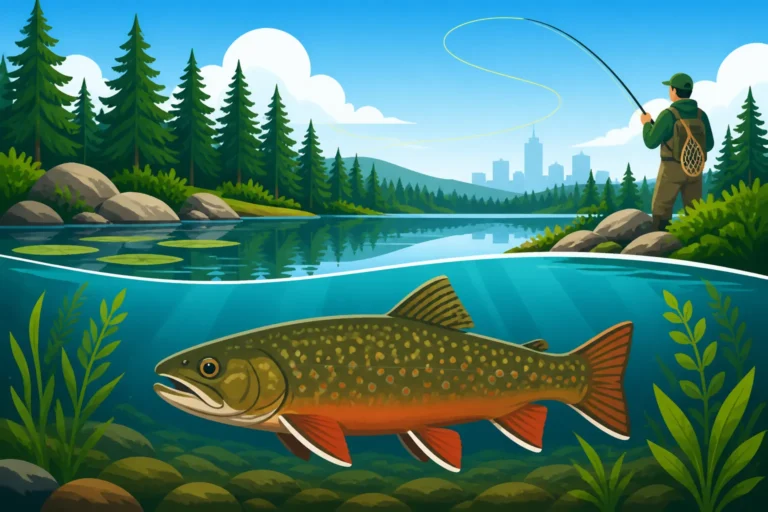
Brook Trout, Maine's state fish, are also abundant, particularly in the many tributaries and around the cooler water pockets of the main lake. While the main lake brook trout can grow to impressive sizes, the real gems for fly fishing are often found in the pristine feeder streams and remote ponds accessible from Moosehead. These wild brookies, with their vibrant colors, are aggressive eaters and a joy to catch on a fly. For more on these beautiful fish, check out our guide on Brook Trout Fishing in Maine.
Finally, Togue, or Lake Trout, are the deep-water inhabitants of Moosehead. While often associated with trolling with conventional gear, they can absolutely be targeted with specialized fly fishing techniques. Early in the season, after ice-out, they can be found shallower, but as temperatures rise, they retreat to the cold depths. Landing a large togue on a fly rod is a true testament to an angler's skill and patience. These fish are powerful and will put your gear to the test.
Techniques and Strategies for Fly Fishing Moosehead Lake
Successful fly fishing on Moosehead Lake often means thinking beyond traditional upstream dry fly presentations. Given the size and characteristics of the lake, a diverse set of techniques will serve you best, whether you're casting from the bank or from a boat.
Fly Fishing from Shore and Wading Opportunities
While Moosehead Lake is vast, there are certainly opportunities for fly fishing from shore or by wading, particularly during certain seasons. The most productive areas for shore-based fly fishing are often around the mouths of tributary streams, in sheltered coves, and along rocky points where currents or structure concentrate fish. After the ice melts, salmon and brook trout will cruise these shallower areas, actively feeding before the water warms. Focus your efforts on these spots, especially during early mornings and late evenings.
When wading, extreme caution is paramount. Moosehead's bottom can be very rocky and uneven, and drop-offs can be sudden and severe. Always wear appropriate wading boots and consider a wading staff for stability. The best wading opportunities often present themselves in the spring and fall when fish are actively feeding closer to shore. Streamer patterns mimicking smelt or baitfish, and nymphs drifted near the bottom, can be highly effective. Understanding the Maine Open Water Line Limits is also crucial, even when fly fishing, to ensure you're in compliance with local regulations.
Boat-Based Fly Fishing: Trolling and Drifting
For many, a boat is essential to fully unlock Moosehead Lake's fly fishing potential, especially when targeting deeper-dwelling salmon and togue. This doesn't mean you're abandoning your fly rod; it simply means adapting your presentation. Trolling with flies is a highly effective method. This involves using sinking lines, lead core, or even small downriggers to get your streamer patterns down to the depth where fish are holding. Long leaders and flies that have good action at slow trolling speeds are crucial. Common trolling patterns include variations of the Grey Ghost, Supervisor, and live smelt imitations.
Drifting is another excellent boat-based technique. By allowing your boat to drift with the wind or current over promising structure, you can cast and retrieve streamers or nymphs. This method gives you more control over your presentation and allows you to cover a wider area, mimicking natural bait movements. Consider using a drogue or drift sock to slow your drift, giving your flies more time in the strike zone. This is especially effective around submerged humps, deep points, or the edges of channels where fish might be ambushing prey.
Mastering Fly Selection for Moosehead
Choosing the right flies for Moosehead Lake depends heavily on the target species, the time of year, and the prevailing conditions. However, a few staple patterns should always be in your box. For Landlocked Salmon and larger Brook Trout, streamers are king. Patterns that imitate smelt are particularly effective, as smelt are a primary food source in Moosehead. Classic patterns like the Grey Ghost, Supervisor, Black Ghost, and various Marabou streamers in white, grey, blue, and black are excellent choices. Sizes often range from 4 to 8, but having a few larger patterns can also be beneficial, especially for aggressive salmon.
When fish are feeding on insects, especially in the spring and fall or near stream mouths, nymphs and wet flies come into play. Patterns like Hendrickson, Hare's Ear, Pheasant Tail, and Prince Nymphs in sizes 10-16 can be very productive. Dry flies, while less common for the main lake, can still be effective during specific hatches in sheltered coves or especially in feeder streams like the Roach River. Caddis, Mayfly, and Stonefly imitations are good to have on hand. For Togue, heavier, larger streamers, often with some flash, fished deep, are key. Patterns like large Clouser Minnows, Deceivers, or even specialized jig flies can entice these deep-water predators.
| Species Targeted | Recommended Fly Types | Example Patterns | Typical Sizes |
|---|---|---|---|
| Landlocked Salmon | Streamers, Nymphs | Grey Ghost, Supervisor, Black Ghost, Smelt Imitations, Hendrickson, Hare's Ear | #4-10 Streamers; #10-16 Nymphs |
| Brook Trout | Streamers, Nymphs, Dry Flies | Mickey Finn, Woolly Bugger, Royal Wulff, Adams, Prince Nymph, Pheasant Tail | #6-14 Streamers; #12-18 Nymphs/Dries |
| Togue (Lake Trout) | Large Streamers, Jig Flies | Clouser Minnow (Olive/White, Blue/White), Deceiver, Large Marabou Jigs | #2-6 Streamers; 1/8 – 1/4 oz Jig Flies |
Optimal Seasons and Conditions for Fly Fishing
Like most fisheries, Moosehead Lake's fly fishing opportunities shift dramatically with the seasons. Understanding these seasonal patterns is crucial for planning a successful trip and knowing where and how to focus your efforts. Each season presents unique challenges and rewards for the dedicated fly angler.
Spring: Ice-Out to Early Summer
Spring on Moosehead Lake, from ice-out usually in late April or early May, through June, is arguably the prime time for fly fishing. As the ice recedes, the entire lake is cold and well-oxygenated, prompting salmon, brook trout, and even togue to move into shallower waters to feed aggressively. This is when shore-based and wading opportunities are at their peak. Fish will cruise gravel bars, rocky points, and the mouths of feeder streams, gorging on smelt and emerging insects.
During this period, focus on casting large streamer patterns that imitate smelt. Trolling these same streamers with sinking lines from a boat can also be incredibly productive. Early mornings and late afternoons are often the best times, but cloudy days can extend the productive period throughout the day. Water temperatures are ideal for coldwater species, making them energetic and willing to chase a fly. If you're planning your trip around this time, be sure to check our guide on Maine Spring Salmon Fishing Techniques for more specific tactics.
Summer: The Deep Water Challenge
As July and August roll around, the surface waters of Moosehead Lake begin to warm significantly. This pushes the coldwater species—salmon, brook trout, and togue—down into the cooler, deeper parts of the lake. Fly fishing from shore becomes much more challenging, though not impossible. Your best bet for shore fishing in summer is to target the very early morning hours or late evenings, or focus on the mouths of larger tributary streams like the Roach River, which often introduce cooler water into the lake.
For consistent success during the summer, a boat becomes almost essential for fly anglers. This allows you to reach the deeper areas where fish are holding. Techniques like deep trolling with heavy sinking lines or specialized sinking leaders, or using a downrigger to get your flies down to 30-60 feet, can be effective. Targeting deep points, humps, and thermoclines where fish concentrate is key. While it requires more specialized gear and patience, the rewards of hooking a summer salmon or togue on a fly rod from the depths are truly exhilarating.
Fall: Spawning Runs and Aggressive Feeding
Autumn on Moosehead Lake offers another fantastic window for fly fishing, especially from September through October. As air and water temperatures begin to drop, the coldwater species become more active and start their pre-spawning and spawning migrations. Landlocked salmon and brook trout will move into the tributary streams to spawn, creating incredible opportunities for stream-side fly anglers. The vibrant fall foliage against the backdrop of an aggressive salmon smashing a streamer is an iconic Maine experience.
During this time, larger streamers and egg patterns can be highly effective in and around stream mouths and the lower sections of tributaries. In the main lake, fish will once again move into shallower areas, actively feeding to build up energy for winter. This is a great time for casting streamers from shore or drifting from a boat. The cooler temperatures mean fish are typically more aggressive and less wary than in the summer. Always be mindful of spawning fish and practice responsible catch and release, especially with fragile spawning populations. Our Maine Fall Brook Trout Fishing Techniques guide can provide additional insights for this beautiful season.
Essential Gear and Local Wisdom for Moosehead Fly Fishing
Embarking on a fly fishing adventure on Moosehead Lake requires not just the right techniques and understanding of the seasons, but also appropriate gear and a healthy dose of local knowledge. The lake's robust fish and variable conditions demand reliable equipment and smart preparation.
Recommended Rods, Reels, and Lines
Given the size of the fish and the conditions on Moosehead Lake, your fly fishing gear needs to be up to the task. For general lake fishing targeting landlocked salmon and larger brook trout, a 6 to 8-weight fly rod, 9 to 10 feet in length, is a good all-around choice. This provides enough backbone to handle strong fish, cast larger streamers, and deal with potential wind. For dedicated togue fishing, especially when trying to reach deeper fish, a heavier 8 or 9-weight rod might be preferred. If you plan to spend significant time in smaller tributaries specifically targeting brook trout, a lighter 4 or 5-weight rod would be more enjoyable.
Pair your rod with a reliable reel that has a smooth, strong drag system and enough backing capacity (at least 150-200 yards) to handle long runs from powerful salmon or togue. As for lines, a versatile setup would include both a floating line for dry fly and nymph fishing in calmer waters or tributaries, and several sinking lines. Full sinking lines (Type III to V) are essential for getting streamers down to depth when fishing from a boat or in deeper sections of the lake. Sink-tip lines can also be useful for varying depths. Having multiple spools pre-rigged with different line types will save you valuable fishing time on the water.
Hiring a Local Guide and Essential Resources
For anglers unfamiliar with Moosehead Lake's vastness and intricate fishing patterns, hiring a local Registered Maine Guide can be an invaluable investment. These experienced guides possess an intimate knowledge of the lake's hot spots, seasonal movements of fish, and the specific techniques required for success. They can save you countless hours of trial and error, getting you on fish quickly and teaching you the nuances of fly fishing this unique body of water. Many guides specialize in fly fishing and can provide all the necessary gear and instruction.
Finding the right guide is key. Platforms like FishingBooker can be a great starting point for searching for reputable guides in the Moosehead region, allowing you to compare services, read reviews, and book trips. Additionally, local fly shops in Greenville or other nearby towns are excellent resources for current conditions, local fly patterns, and recommendations for guides. Don't underestimate the power of simply striking up a conversation with local anglers; their insights can be priceless. A great guide can turn a challenging trip into a lifelong memory, especially on a lake as dynamic as Moosehead.
Navigating Regulations and Conservation
Before you even make your first cast, it's absolutely critical to understand the specific fishing regulations for Moosehead Lake. Maine has a complex system of general law and special regulations, and Moosehead Lake, due to its importance as a fishery, often has specific rules. These can include different bag limits, length limits, and season dates for various species. For example, some areas might have specific rules for trout vs. salmon. Always consult the most current Maine Fishing Regulations Explained booklet provided by the Maine Department of Inland Fisheries and Wildlife (MDIFW).
Conservation practices are also paramount, especially when fly fishing for coldwater species. Practice responsible catch and release, particularly with larger, older fish that are vital for spawning. Use barbless hooks, minimize handling time, and keep fish in the water as much as possible, especially during warmer months. Adhering to the Maine Lead Jig Fishing Ban is also important; while primarily aimed at conventional tackle, ensuring all your terminal gear is lead-free protects loons and other wildlife. Being a responsible angler ensures that Moosehead Lake remains a premier fly fishing destination for generations to come.
Disclaimer
The information provided in this guide is for general informational purposes only and is subject to change. Fishing regulations, season dates, and limits can vary greatly and are updated annually. Always consult the official Maine Department of Inland Fisheries and Wildlife (MDIFW) regulations before planning your fishing trip to Moosehead Lake or any other body of water in Maine. Ensure you have the proper licenses and permits as required. Fishing involves inherent risks; always prioritize safety on the water.