Penalty for Keeping an Undersized Fish in Maine
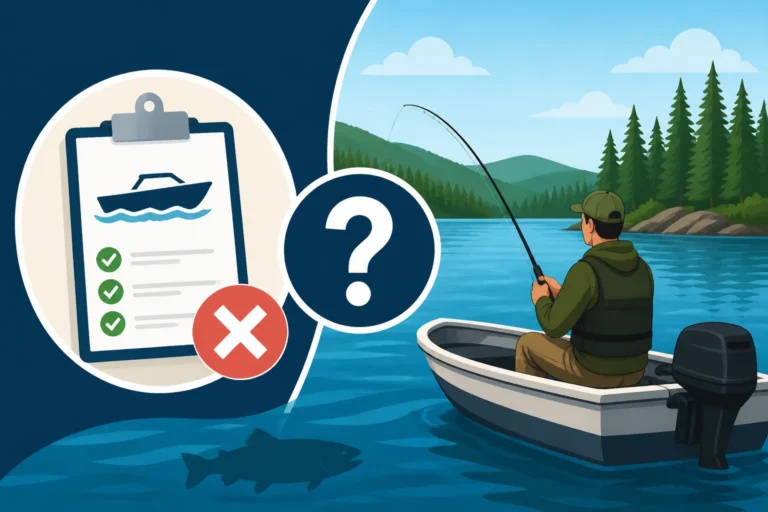
It's incredibly frustrating when you're out on the water, enjoying the peace of Maine's beautiful lakes or rivers, and suddenly you're second-guessing if that fish you just landed is a legal keeper. The sheer volume of regulations, especially around length and bag limits, can be overwhelming, leading to genuine anxiety about accidentally breaking the rules. This comprehensive guide is here to shed light on exactly what happens if you keep an undersized fish in Maine, breaking down the penalties and offering practical advice to help you stay on the right side of the law.
The Serious Business of Maine's Fishing Regulations
Before we dive into the nitty-gritty of penalties, it's crucial to understand why Maine has such stringent regulations, especially when it comes to fish size. It's not just to make life complicated for anglers; it's about protecting the incredible natural resources we're so lucky to have.
Why Size Limits Matter for Maine Fisheries
Think about it: every fish that swims in our waters contributes to a delicate ecosystem. Size limits are one of the most fundamental tools in conservation. Their primary purpose is to ensure sustainable fish populations for future generations. When we adhere to these rules, we're doing our part to keep Maine's fisheries healthy and thriving.
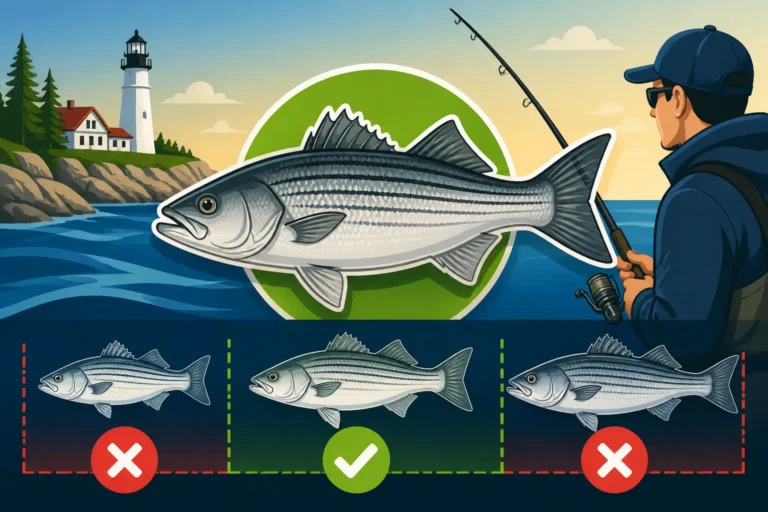
Firstly, size limits protect juvenile fish. By requiring anglers to release smaller fish, we give them the chance to grow, mature, and most importantly, spawn. This allows them to contribute to the next generation of fish, ensuring the population remains robust. Imagine if everyone kept every small brook trout they caught; our beloved wild brook trout populations would dwindle rapidly. Secondly, for many species, particularly larger predatory fish like lake trout (or "togue" as we affectionately call them here) or even striped bass, keeping only larger fish could deplete the breeding stock. Conversely, some regulations might have a slot limit, where you can keep fish within a certain size range, protecting both the very small and the very large, often prime breeders. Understanding these nuances is key to appreciating the intent behind the rules.
How to Know the Size Limits Before You Cast
This is perhaps the most critical step in avoiding any penalties. Knowledge is power, especially when it comes to Maine's ever-evolving fishing laws. You can't just assume; you have to check.
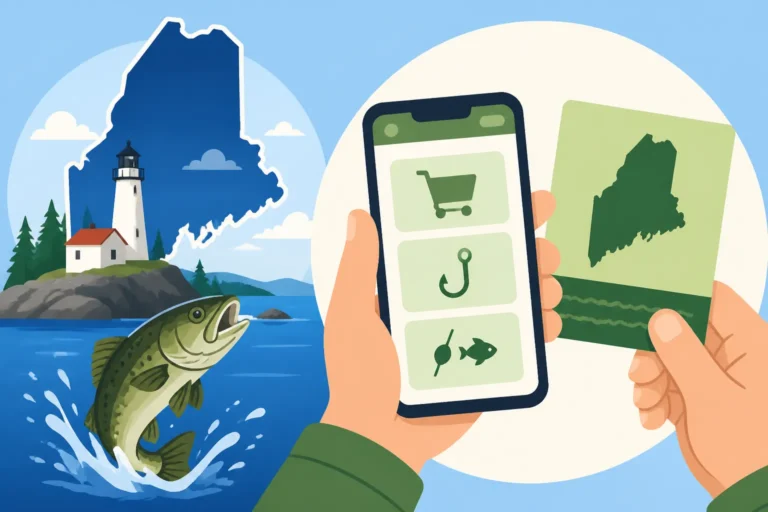
The absolute best resource for up-to-date information is the official Maine Department of Inland Fisheries and Wildlife (MDIFW) rule book. You can pick up a physical copy at almost any bait shop, sporting goods store like Kittery Trading Post, or even some convenience stores across the state. They're usually free, and they are your bible on the water. Beyond the physical book, the MDIFW website is incredibly comprehensive, offering digital versions and specific information for particular bodies of water. Many seasoned anglers also use the state's official fishing app, which can be a lifesaver when you're on the go and need to quickly verify a regulation for a specific lake or pond. In fact, many people find it handy to have a digital copy readily accessible on their phone or tablet, and you can even find comprehensive guides and rule book printouts available for purchase on platforms like Amazon if you prefer a backup or a more robust, laminated version for your tackle box. This is particularly important because Maine's fishing regulations are explained in detail, often with specific rules for different zones, like the North and South Fishing Zones. What might be legal on Moosehead Lake could be entirely different on Sebago Lake.
Always remember that general statewide laws exist, but many individual lakes, ponds, and rivers have special regulations that override the general law. These special regulations cover everything from specific species limits, length requirements, and even methods of fishing. For example, some ponds might be "catch and release only," while others might have a reduced bag limit for brook trout. Don't rely on word-of-mouth; always verify the rules for the exact waterbody you plan to fish. You can find detailed information on how to find Maine fishing regulations for a specific lake by checking the MDIFW website or the rule book.
What Happens When You Keep an Undersized Fish
So, you've mistakenly kept a fish that's below the legal length. Perhaps it was a mismeasurement, or you genuinely didn't realize the specific regulation for that body of water. What happens next can range from a stern warning to significant fines and even loss of privileges.
The Immediate Consequences: Warden Encounter
Maine's game wardens are dedicated professionals who work tirelessly to protect our wildlife and ensure fair angling practices. If a warden approaches you on the water or at a boat launch, their primary goal is often to educate and enforce. They are highly trained and have a deep knowledge of the regulations.
A typical scenario might involve a warden observing you fishing, or perhaps checking boats at a public access point. They might ask to see your fishing license (which, by the way, you should always have with you, alongside identification, as explained in our guide on How to Get a Maine Fishing License) and inspect your catch. If they find an undersized fish, the conversation will usually begin with an explanation of the violation. They'll measure the fish in front of you, explain the specific rule you've violated, and then proceed with the necessary enforcement action. This is not the time to argue or be uncooperative. Wardens have the authority to issue citations, seize evidence, and make arrests if necessary. Being polite, honest, and understanding, even if you're upset or embarrassed, can go a long way. Remember, they're just doing their job, which includes upholding the Maine Fishing Regulations Explained.
Breaking Down the Fines for Size Violations
This is where the financial impact comes into play. Keeping an undersized fish is considered a violation of Maine's inland fisheries and wildlife laws, and it typically comes with a monetary penalty. The specific fine amount can vary depending on several factors:
- Species of Fish: Some species, particularly those under intense conservation efforts or considered "trophy" fish, might carry higher penalties. For instance, violating a size limit for a prized landlocked salmon might incur a steeper fine than for a less regulated species.
- Number of Fish: If you have multiple undersized fish, the penalty can multiply or escalate the severity of the offense.
- Location: Certain special regulation waters might have different penalty structures.
- Prior Offenses: A first-time offense might result in a lower fine or even a warning, but repeat offenses will almost certainly lead to higher fines and more severe consequences.
- Circumstances: Was it a genuine mistake, or did it appear to be a deliberate attempt to evade regulations? The warden's assessment of the situation can sometimes influence the outcome.
While specific fine amounts can be updated, current Maine statutes indicate that most inland fishing violations, including size and bag limit infractions, fall under Title 12, Section 12701. These typically carry a minimum fine of $100.00 plus court costs and surcharges for a first offense. However, this can easily jump to $250.00 or more, especially if multiple fish are involved or if it's considered a more serious violation of conservation efforts. For instance, catching and keeping an undersized striped bass, which has very specific slot limits, can lead to fines ranging from $100 to $500 per fish, depending on the severity and specific regulations. These fines are designed to be a deterrent and a way to recover some of the conservation costs.
Beyond the Fines: Additional Penalties and Repercussions
While the financial hit of a fine is certainly unpleasant, the consequences of keeping an undersized fish can extend much further, impacting your ability to fish in Maine for an extended period.
Loss of Fishing Privileges
This is often the penalty that stings the most for passionate anglers. Beyond the immediate fine, an undersized fish violation can lead to the suspension or revocation of your Maine fishing license.
- Suspension: Your license might be suspended for a specific period, perhaps a few months or even a year. During this time, you are legally prohibited from engaging in any fishing activities in Maine. Attempting to fish with a suspended license can lead to even more severe penalties, including higher fines and extended suspensions.
- Revocation: In more serious or repeat cases, your license could be revoked entirely, meaning you lose your privilege to fish indefinitely or for a very long period. Reinstatement often involves a lengthy application process, additional fees, and a demonstration that you understand and will abide by the regulations. Imagine having to sit on the sidelines during prime fishing season because of a mistake; it's a harsh but effective deterrent. This consequence directly relates to knowing the overall Maine Fishing License Guide.
The MDIFW maintains records of all violations. Future license applications will reflect these past infractions, potentially influencing whether you can purchase a license at all or if you face higher scrutiny. This isn't just about Maine either; violations can sometimes be shared with other states, impacting your ability to get a license elsewhere.
Confiscation of Gear and Fish
Wardens have the authority to seize any fish caught in violation of the law. This means that undersized fish will be confiscated and will not be returned to you. This is a standard procedure to remove the illegal catch from circulation and as evidence of the violation.
In more egregious cases, or for repeat offenders, wardens may also confiscate your fishing gear. This could include your rod, reel, tackle, and even your boat or vehicle if it was used in the commission of a serious violation. While less common for a single undersized fish, it is within their power, especially if the violation is part of a larger pattern of disregard for the law or involves commercial poaching activities. Losing your expensive fishing rod or a beloved boat can be a significant financial blow, adding insult to injury beyond the initial fine. It serves as a stark reminder of the seriousness with which Maine views its conservation laws.
Criminal Charges and Public Record
While a single instance of keeping an undersized fish is typically treated as a civil violation, repeated offenses or particularly severe infractions can escalate to criminal charges. These are usually misdemeanors, but they carry far more serious implications than a civil fine.
A criminal conviction means having a criminal record, which can have long-lasting effects beyond just fishing. It can impact employment opportunities, housing applications, and even your ability to travel internationally. Furthermore, criminal records are public information. This means your name and the details of your conviction could be accessible to anyone conducting a background check. This potential for public embarrassment and the long-term professional and personal repercussions are significant motivators for anglers to meticulously follow the rules. This is a much more severe outcome than simply getting a fine for fishing without a license in Maine.
Avoiding Penalties: Best Practices for Maine Anglers
The good news is that avoiding these penalties is entirely within your control. With a little diligence and a conscious effort to follow the rules, you can enjoy Maine's exceptional fishing without fear of legal repercussions.
Measure Every Fish, Every Time
This seems obvious, but it's where many anglers make mistakes, especially when the fishing is hot and exciting. Always carry a reliable measuring device with you. A foldable ruler, a tape measure, or even a specialized fish measuring board can easily fit into your tackle box or vest.
When measuring, always follow the proper technique:
- Nose to Tip of Tail: Lay the fish flat on its side. Place the nose (or snout) at the zero mark of your ruler.
- Pinched Tail: Gently squeeze the tail fin to bring the lobes together (pinched tail) to get the maximum length. Do not measure to the fork of the tail unless specified by regulation.
- Measure Quickly and Carefully: Minimize the time the fish is out of the water, especially if you intend to release it, as emphasized in Catch and Release Best Practices in Maine.
- Be Conservative: If a fish is borderline, or if you're even slightly unsure, it's always best to err on the side of caution and release it. A moment of uncertainty isn't worth a fine or losing your fishing privileges.
Understand and Carry the Current Rule Book
As mentioned earlier, the MDIFW rule book is your essential companion. Make it a habit to:
- Grab a New Copy Annually: Regulations can change from year to year. Always pick up the most current edition.
- Read It Thoroughly: Don't just skim. Pay close attention to the general laws, and then meticulously check the specific regulations for the water bodies you plan to fish. You'll find detailed tables on Maine Fish Bag Limits Guide for various species.
- Keep It Accessible: Whether it's the physical booklet in your tackle box or the digital version on your phone, ensure you can access it quickly while fishing. If you prefer a sturdy, waterproof version, you might consider looking for laminated guides or compact rule books on Amazon that can withstand the elements.
- Check for Special Regulations: Many of Maine's most popular fishing spots, including specific sections of rivers like the Penobscot or Kennebec, and lakes like Moosehead Lake or Sebago Lake, have unique rules. These will be clearly listed under "special regulations" in the rule book. Knowing the Maine North Zone vs South Zone Fishing Rules is also vital as different regions have different requirements.
When in Doubt, Release It Out
This simple mantra can save you a lot of headache and potential trouble. If you catch a fish and you're not 100% certain it meets the length requirements, or if you're unsure about the bag limit for that specific water, the safest and most responsible action is to release it immediately.
Releasing an extra fish, even a legal one, ensures you stay compliant and contributes to the overall health of the fishery. Plus, there's a unique satisfaction in watching a strong, healthy fish swim away to fight another day. It also reinforces good conservation practices and allows fish to continue their life cycle, ensuring a healthy population for future outings.
Here's a quick reference for general fines, though always consult the official MDIFW rule book for the most current and specific details.
| Violation Type | Typical Minimum Fine (First Offense) | Potential Additional Penalties | Key Consideration |
|---|---|---|---|
| Keeping Undersized Fish (General Law) | $100 + Surcharges | Confiscation of fish, license suspension, gear seizure (severe) | Varies by species, location, quantity |
| Exceeding Daily Bag Limit | $100 + Surcharges | Confiscation of fish, license suspension, gear seizure (severe) | Varies by species, location, quantity |
| Fishing Without a Valid License | $100 + Surcharges | License denial, additional fines | Always carry your Maine Fishing License Guide |
| Fishing in Closed Waters/Season | $100 – $250 + Surcharges | Confiscation of fish/gear, license suspension | Check Maine Fishing Season Dates Guide |
| Using Illegal Bait/Gear | $100 + Surcharges | Confiscation of illegal gear | Be aware of lead jig bans, etc. |
Note: These are general guidelines. Actual fines and penalties are subject to change and specific circumstances as determined by the Maine Department of Inland Fisheries and Wildlife and the Maine court system.
Remember, the vast majority of Maine anglers are responsible and follow the rules. By taking a few proactive steps, you can ensure your time on the water is enjoyable and worry-free. Familiarize yourself with the Maine Fishing Laws for Beginners to avoid common pitfalls, and always keep that rule book handy!
Disclaimer
The information provided in this guide is for general informational purposes only and is not intended as legal advice. Fishing regulations in Maine are subject to change. Always consult the most current official Maine Department of Inland Fisheries and Wildlife (MDIFW) regulations, laws, and statutes for accurate and up-to-date information before engaging in any fishing activities. Compliance with all applicable laws and regulations is the sole responsibility of the individual angler.