Do Charter Fishing Passengers Need Their Own License in Maine?
It’s a common scenario: you’ve booked that dream fishing charter in Maine, visions of reeling in striped bass or hefty lake trout dancing in your head. But then a nagging question pops up – do I, as a passenger, actually need my own fishing license? The regulations can feel like a tangled mess of lines, and the last thing anyone wants is to get caught violating a rule, even unintentionally. This comprehensive guide will clear up the confusion, explaining exactly when and why you need a fishing license for your Maine charter trip, what type of license you might need, and how to make sure you're squared away before you even cast a line.
The Essential Truth: Yes, You Need Your Own License
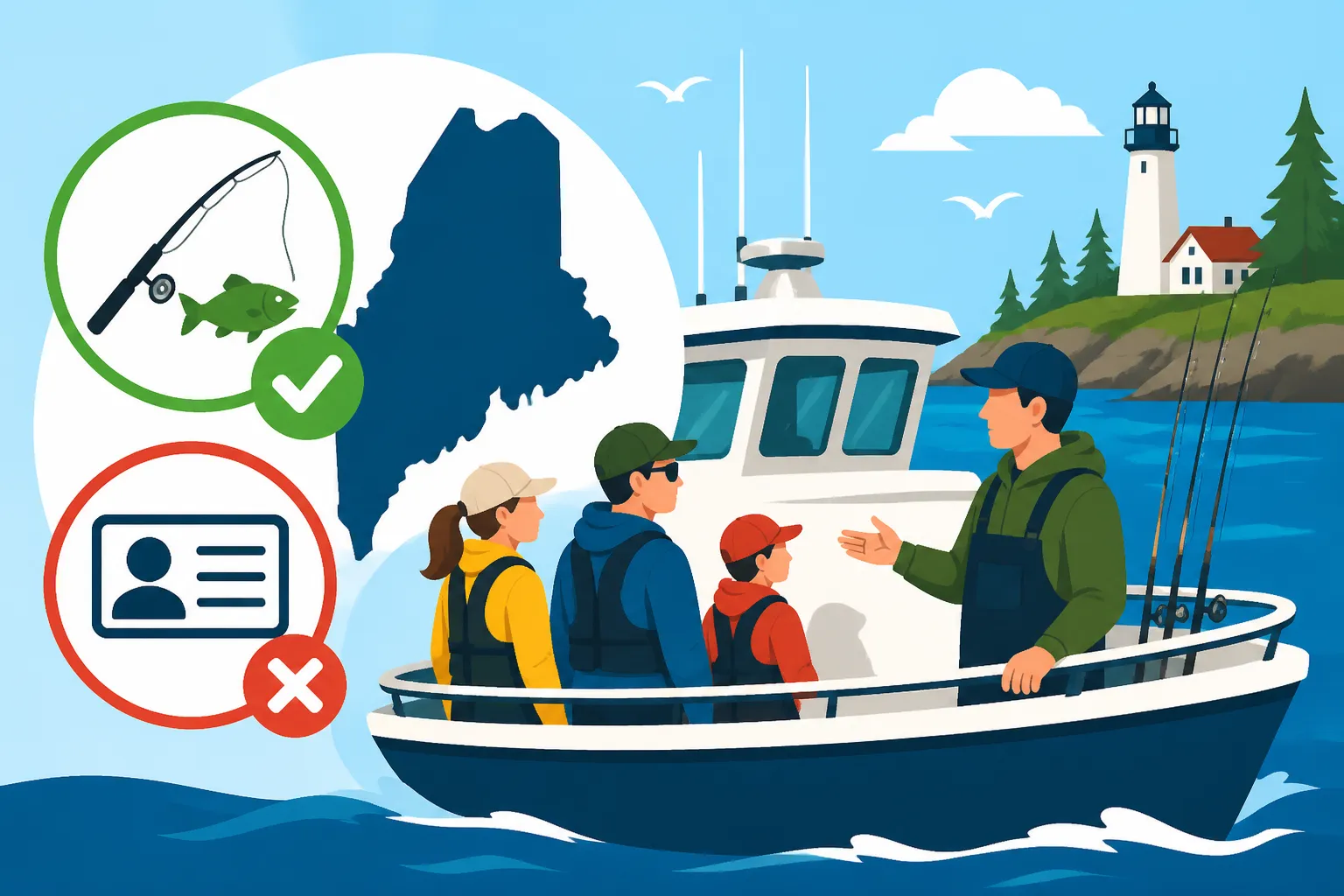
Let's cut right to the chase because this is where many people get tripped up: yes, almost every passenger on a Maine fishing charter, whether it's for freshwater or saltwater, needs to have their own valid Maine fishing license. This is one of those rules that often surprises folks, especially if they've fished in other states where the charter boat itself holds a blanket license. Maine operates differently, and understanding this is key to a hassle-free trip.
Why This Rule Catches People Off Guard
It’s completely understandable why this particular regulation often leaves anglers scratching their heads. You might think, "I'm paying a professional guide or charter captain who clearly has all the necessary permits and licenses to operate, so surely their license covers everyone on board, right?" This is a very logical assumption, especially when you consider how many other services work. However, Maine law differentiates between the operator's license to run a for-hire fishing business and the individual's license to legally engage in fishing activities. The captain’s job is to ensure their vessel and operation are compliant, but your responsibility is to ensure you are compliant as an individual angler. They are providing the means and expertise, but you are the one doing the fishing. Failing to have your own license can lead to fines, embarrassment, and potentially ruin an otherwise fantastic day on the water.
Freshwater vs. Saltwater Charters: The Nuance
The distinction between freshwater and saltwater is crucial here, as Maine has separate requirements.
- Freshwater Fishing Charters: If your charter is heading out onto one of Maine's incredible lakes or rivers, like a guided trip on Moosehead Lake for togue or a fly-fishing excursion on the Kennebec River for trout, every single person over the age of 16 (and certain non-residents over 12) needs a valid Maine freshwater fishing license. There are very few exceptions to this rule, primarily for very young children or specific free fishing days. A guide's license allows them to take you fishing for compensation, but it doesn't transfer their individual fishing privileges to you.
- Saltwater Fishing Charters: This is where the waters get a little murkier, but the principle remains the same. If you're going on a deep-sea charter out of Portland or a striped bass trip in Casco Bay, you don't need a traditional "saltwater fishing license" in Maine. Instead, Maine requires all saltwater anglers, resident or non-resident, to register with the Maine Saltwater Fishing Registry. This registration is absolutely mandatory, even if you’re fishing from a charter boat. The good news is that this registry is free and relatively simple to complete online. While it's not a "license" in the same way a freshwater license is, it serves the same regulatory purpose: ensuring the state has a record of who is fishing in its coastal waters. Your charter captain will still have their own specific permits, such as a Coast Guard license and a federal highly migratory species permit if they're targeting certain offshore species, but these don't cover your individual registration.
Understanding Maine's Licensing System for Anglers
Navigating Maine's fishing license system can feel a bit like trying to read a map with a crumpled compass. There are different types of licenses, varying costs, and specific rules for residents versus non-residents. Knowing the lay of the land will save you a lot of headache.
Resident vs. Non-Resident Licenses
The most significant factor determining your license type and cost is whether you are considered a Maine resident or a non-resident.
- Maine Residents: If you permanently reside in Maine, you'll apply for a resident license. These are generally less expensive and often come with more options, like a lifetime license. For many lifelong Mainers, getting a Senior Lifetime Fishing License Eligibility at a certain age is a rite of passage.
- Non-Residents/Visitors: If you're visiting Maine from out of state, you'll need a non-resident license. Don't worry, Maine welcomes anglers from all over, and there are several options tailored for shorter trips. You might choose a Maine 3-Day Nonresident Fishing License or a Maine 7-Day Nonresident Fishing License, which are perfect for a weekend getaway or a week-long vacation. A full-season Maine Nonresident Fishing License Cost is also available if you plan multiple trips throughout the year.
Types of Freshwater Licenses Available
Maine offers a variety of freshwater fishing licenses to suit different needs and durations.
- Annual Licenses: These are valid for the entire calendar year (January 1 to December 31). This is the most common choice for dedicated anglers, especially residents.
- Short-Term Licenses: For non-residents, these are incredibly popular for charter trips. You can get a 1-day, 3-day, 7-day, or 15-day license. If you're just booking one or two charter days, these are usually your most cost-effective options. For example, if you're planning a single day of guided ice fishing, a 1-Day Fishing License Cost and Rules will cover you.
- Combination Licenses: If you're an avid outdoors person, you might consider a Combination Hunting and Fishing License Options. These often offer a slight discount compared to buying both separately.
- Special Licenses & Exemptions: Maine does have certain exemptions. For instance, children under 16 years old (both residents and non-residents) generally do not need a freshwater fishing license. Additionally, active military personnel might have special rules, and disabled veterans can often get a Disabled Veteran Fishing License Eligibility. It's always a good idea to check the most current Maine Fishing License Exemptions if you believe you might qualify.
The Maine Saltwater Fishing Registry Explained
As mentioned, for saltwater fishing (which includes marine waters, coastal rivers, and estuaries up to the head of tide), you don't buy a traditional license. Instead, you register.
- Why Register? The registry helps the state and federal government collect vital data on recreational saltwater fishing effort. This data is crucial for managing fish populations, setting bag limits, and ensuring the sustainability of species like striped bass. It’s part of a larger federal effort to track recreational fishing across the nation.
- How to Register: It’s a straightforward process that can be completed online through the Maine Department of Marine Resources (DMR) website. You'll provide some basic personal information, and once registered, you'll receive a confirmation. It's free of charge and generally valid for the calendar year. Always confirm the current Saltwater Fishing Registry Cost and Requirements directly with the DMR.
How to Get Your Maine Fishing License Before Your Charter
Now that you know you need one, let’s talk about the practical steps to getting your license. It's much easier than you might think, and there are a few convenient ways to do it. The best advice is always to secure your license before you head out, not scrambling at the last minute.
Purchasing Your License Online
This is by far the easiest and most recommended method, especially if you're a non-resident planning your trip.
- Visit the Official Website: Head over to the Maine Department of Inland Fisheries and Wildlife (MDIFW) website. They have a user-friendly portal specifically for license sales.
- Select Your License Type: Carefully choose the correct license type based on your residency and the duration of your trip (e.g., non-resident 3-day freshwater).
- Provide Information: You'll need to input personal details like your name, address, date of birth, and possibly a previous license number if you're a returning angler.
- Payment and Print: After payment, you'll receive a confirmation and usually a printable license. Print this out! Keep it with you, or at least have a digital copy readily accessible on your phone, as wardens can and do check. It’s a good idea to have a backup in case your phone battery dies.
Buying a License In Person
If you prefer a face-to-face transaction or find yourself in Maine without a license, you can purchase one at various vendor locations.
- Local Agents: Many sporting goods stores, bait shops, general stores, and even some town offices are authorized license agents. These are often the same places where you might pick up live bait or last-minute tackle. Look for signs that say "Maine Fishing Licenses Sold Here." You can often find a list of Where to Buy a Maine Fishing License on the MDIFW website.
- What You'll Need: Bring a valid photo ID (like a driver's license) and proof of residency if you're a Maine resident (utility bill, voter registration). If you've had a license before, knowing your previous license number can speed up the process.
- Consider the Agent Fee: Be aware that some agents might charge a small processing fee in addition to the state license cost. This is standard practice and usually just a few dollars. Don't be surprised if the final price is slightly higher than the base license fee advertised online.
The Maine Saltwater Fishing Registry: Online Only
Remember, the saltwater registry is a different beast. You won't find this at your local bait shop.
- Maine Department of Marine Resources (DMR): The registration is managed by the DMR, not MDIFW. Their website is the place to go.
- Quick and Easy: The process is typically very fast, just a few minutes, and you'll get an immediate confirmation. Keep a screenshot or printout of your registration for your records.
Common Misconceptions and What to Watch Out For
There are a few persistent myths and misunderstandings floating around about fishing licenses and charters. Let's debunk them and make sure you're crystal clear on what's expected.
"My Charter Captain Said I Don't Need One"
This is a dangerous piece of misinformation if encountered. While highly unlikely from a reputable, licensed Maine guide or charter captain, if someone tells you that their license covers everyone on board and you don't need your own, you should be extremely skeptical. A professional guide knows the rules inside and out because their livelihood depends on it. If you hear this, it's a huge red flag. Always verify the information yourself with the official MDIFW or DMR websites. Reputable captains will always ensure their clients are properly licensed before leaving the dock. They understand the potential liabilities and the importance of adhering to Maine Fishing Regulations Explained.
Consequences of Fishing Without a License
Fishing without a valid license or saltwater registry is not just a minor oversight; it's a violation of Maine law and can carry significant penalties.
- Fines: The most immediate consequence is a fine, which can vary depending on the specific violation but can easily run into the hundreds of dollars. This is a lot more expensive than the license itself! Getting a Maine Fishing License Fine for No License is definitely not how you want to remember your Maine fishing trip.
- Confiscation: In some cases, fish caught, and even fishing gear, could be confiscated.
- Court Appearance: More serious or repeat offenses could even lead to a court appearance.
- Reputation: It reflects poorly on the angling community and the charter operator, even if they aren't directly at fault for your lack of license.
Ensuring Your License is Valid and Current
It's not enough to just buy a license; you need to make sure it's valid for your specific trip and hasn't expired.
- Expiration Dates: Freshwater fishing licenses in Maine typically expire on December 31st of the year they were purchased, regardless of when you bought it during the year. So, a license bought in July will still expire on December 31st. Saltwater registrations are also annual. Always check the expiration date on your license or registration. If you're planning a trip around the New Year, be extra diligent to ensure your license covers the correct calendar year. Knowing How Long Is a Maine Fishing License Valid is crucial.
- Right Type of License: Double-check that you have the correct type of license for the waters you'll be fishing. A freshwater license won't cover you for saltwater (you'd need the registry), and vice-versa. If you're fishing in a river that transitions from freshwater to tidal, understanding the exact boundaries can be tricky, but your guide should know. For comprehensive details, check out the Maine Fishing Season Dates Guide.
- Keeping it Accessible: As mentioned, have a physical or easily accessible digital copy. Wardens conduct checks both on land and water. Being able to quickly present your license makes the interaction smooth and pleasant.
What Your Charter Captain Does Provide (and What They Don't)
Your charter captain is a professional who brings a wealth of knowledge, equipment, and experience to the table. They are responsible for:
- Vessel Safety: Ensuring the boat is safe, properly maintained, and equipped with all necessary safety gear.
- Navigation & Expertise: Getting you to the best fishing spots and providing guidance on techniques and tackle.
- Gear: Typically providing rods, reels, and tackle, though some anglers prefer to bring their own. This can be a great way to try out new gear you've been eyeing, perhaps from a reliable source like Amazon, before committing to a big purchase.
- Bait: Often providing live or artificial bait.
- Regulatory Compliance (for the vessel): Ensuring their boat and operation meet all commercial fishing, Coast Guard, and state guide requirements.
However, they are not responsible for:
- Your Personal License: This is your responsibility as the individual angler.
- Your Personal Gear: While they provide the basics, personal items like appropriate clothing, sunscreen, snacks, and drinks are up to you. You might find a great deal on comfortable fishing attire or a good pair of polarized sunglasses on Amazon before your trip.
- Your Food & Drink: Unless specifically arranged, bring your own provisions for the day.
In summary, always assume you need your own license or saltwater registration when fishing on a Maine charter. A quick check of the official Maine government websites (MDIFW for freshwater, DMR for saltwater) before your trip will give you peace of mind and ensure your focus remains on enjoying the incredible fishing opportunities Maine has to offer.
| License/Registry Type | Applies To | Resident/Non-Resident | Cost (approx. 2024)* | Where to Purchase/Register | Notes |
|---|---|---|---|---|---|
| Freshwater Fishing License | Lakes, Ponds, Rivers | Both | Varies by duration | MDIFW Online / Local Agents | Required for all anglers 16+ (or 12+ non-resident) |
| – Annual Resident | Freshwater | Resident | $25 | MDIFW Online / Local Agents | Valid Jan 1 – Dec 31 |
| – Annual Non-Resident | Freshwater | Non-Resident | $69 | MDIFW Online / Local Agents | Valid Jan 1 – Dec 31 |
| – 3-Day Non-Resident | Freshwater | Non-Resident | $23 | MDIFW Online / Local Agents | Great for short trips |
| Maine Saltwater Fishing Registry | Coastal Waters (Ocean, Bays, Tidal Rivers) | Both | Free | Maine DMR Online | Required for all saltwater anglers 16+ |
*Note: Costs are approximate and subject to change. Always check the official MDIFW and DMR websites for the most current pricing and regulations.
Disclaimer
The information provided in this guide is for general informational purposes only and is not intended as legal advice. Fishing regulations in Maine can be complex and are subject to change. It is always the angler's responsibility to review and comply with the most current laws and regulations published by the Maine Department of Inland Fisheries and Wildlife (MDIFW) for freshwater fishing and the Maine Department of Marine Resources (DMR) for saltwater fishing before engaging in any fishing activities.