Are Painted Lead Jigs Illegal in Maine?
It's an all too common scenario: you're excitedly rummaging through your tackle box, getting ready for a fantastic day of fishing on one of Maine's pristine lakes or rivers, when a question suddenly nags at you. You pull out a handful of colorful jigs, some of them clearly old favorites, and wonder, "Are these painted lead jigs actually legal here in Maine, or am I unknowingly breaking the rules?" It's a valid concern, and one that often causes confusion among both seasoned anglers and newcomers alike. Rest assured, this guide is here to clear up that very question, diving deep into Maine's lead tackle regulations so you can cast with confidence.
Understanding Maine's Lead Tackle Ban
The journey to understanding whether your painted lead jigs are legal starts with grasping the overarching lead tackle ban in Maine. This isn't just a quirky rule; it's a critical conservation effort designed to protect Maine's iconic wildlife.
The Rationale Behind the Regulations
At the heart of Maine's lead tackle ban is a profound concern for the state's wildlife, particularly our beloved common loons. Loons, with their haunting calls echoing across the water, are an integral part of Maine's natural beauty. Unfortunately, these birds, along with other waterfowl and raptors, are highly susceptible to lead poisoning. When an angler's lead jig or sinker breaks off or is lost in the water, it settles on the bottom. Loons, mistaking these small, dense objects for pebbles that aid in digestion, ingest them. Even a tiny piece of lead can be fatal, slowly poisoning the bird and disrupting its nervous and digestive systems.
This issue extends beyond loons. Eagles, swans, and other waterfowl can also fall victim to lead poisoning, whether by ingesting tackle directly or by consuming fish that have ingested lead. Maine, being a state so deeply connected to its wilderness and wildlife, took decisive action to mitigate this preventable threat.
Historical Context and Phased Implementation
Maine has been at the forefront of lead tackle regulation for years, recognizing the severe impact on its ecosystem. The ban didn't happen overnight; it was a carefully phased approach to allow anglers time to adjust and transition to lead-free alternatives.
Initially, back in 2002, Maine banned the sale of lead sinkers weighing 1 ounce or less. This was a crucial first step, but it didn't prohibit their use. The real shift came with subsequent legislative efforts. Fast forward to 2013, a significant law was enacted that made it illegal to use or possess lead sinkers or jigs weighing 1 ounce or less while fishing in inland waters. This law had a phased implementation for sale and use, with the full ban on possession and use taking effect in September 2016 for lead sinkers and September 2017 for lead-headed jigs. It’s important to note that the state is continually reviewing and updating these regulations to ensure maximum protection for wildlife. For instance, there's even talk of a broader "Maine Lead Jig Ban Starting September 2026," which could further expand the scope of prohibited lead tackle. Staying informed about the latest updates in the Maine Fishing Regulations Explained is always a good idea.
Are Painted Lead Jigs Illegal? Getting to the Heart of the Matter
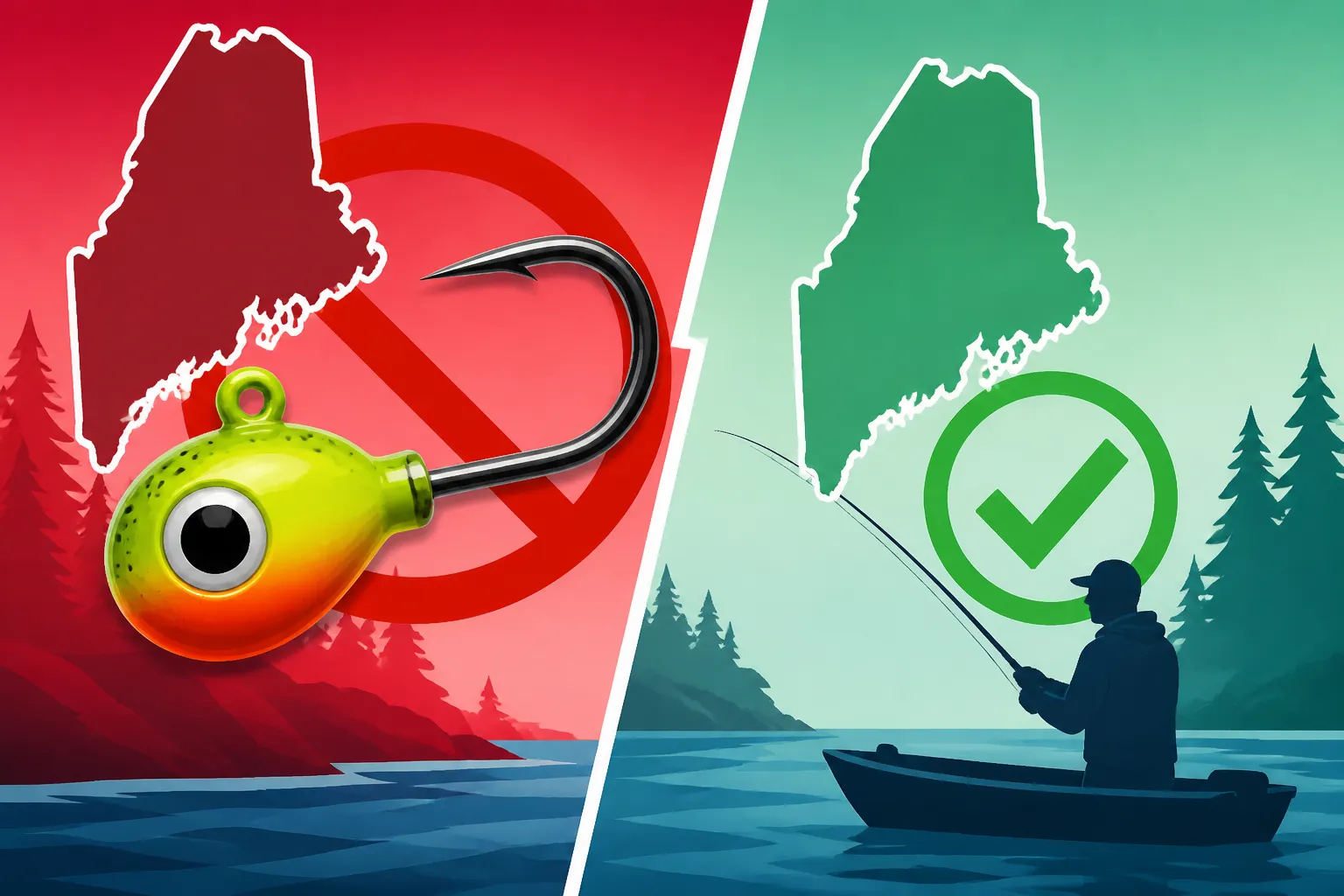
This is where the rubber meets the road, and the direct answer to your question comes into play. The short answer is: Yes, a painted lead jig is still illegal if it falls within the prohibited weight class.
The Paint Paradox: Material vs. Coating
Many anglers mistakenly believe that if a lead jig is painted, coated, or otherwise covered, it somehow transforms its chemical composition and makes it legal. Unfortunately, this is a common misconception. The Maine lead tackle ban is explicitly about the material of the jig or sinker, not its outward appearance or coating.
Think of it this way: painting a lead jig is like painting a lead pipe green. It's still a lead pipe, regardless of the color. The paint might make it look nice, and it might even offer a thin layer of protection against corrosion, but it does absolutely nothing to change the fact that the core material is lead. If that jig breaks off or is lost in the water, it still presents the same grave danger to loons and other wildlife. The focus of the law, and indeed the entire conservation effort, is on preventing lead from entering the ecosystem in the first place. So, if your jig has a lead head, whether it's painted bright chartreuse, subtle brown, or left completely bare, it's subject to the same regulations.
Specifics: Size and Weight Restrictions
The core of Maine's lead tackle ban focuses on small, easily ingested pieces. Specifically, it is illegal to use or possess a lead sinker or lead-headed jig that weighs 1 ounce or less, or measures 2 1/2 inches or less in length, while fishing in Maine's inland waters. This is a critical detail.
Here’s a breakdown of what that means in practical terms:
- Lead Sinkers: Any lead sinker, regardless of its shape (split shot, worm weight, drop shot weight, etc.), that weighs 1 ounce or less is prohibited.
- Lead-Headed Jigs: Any jig with a lead head that weighs 1 ounce or less, or measures 2 1/2 inches or less in length, is prohibited. This is where most painted jigs come into play, as many popular jig sizes for freshwater fishing fall well within this weight and length restriction.
It's important to remember that these restrictions apply to inland waters, which include all lakes, ponds, rivers, and streams. Saltwater fishing has different regulations regarding lead, but for freshwater, this rule is firm. When you're fishing in a serene spot like Sebago Lake or exploring the Penobscot River, you need to be absolutely sure your tackle is compliant.
How to Identify Lead Tackle
Sometimes it's not immediately obvious if a jig or sinker contains lead, especially if it's painted or has an older, non-descript appearance. Here are a few tips to help you identify lead in your tackle box:
- Look for Markings: Many modern, lead-free jigs and sinkers will explicitly state their material (e.g., "Tungsten," "Bismuth," "Lead-Free"). If there are no markings, it's often a sign that it could be lead, especially if it's an older piece.
- The "Dull Thud" Test: Lead is a relatively soft metal. If you gently tap a questionable sinker or jig against a harder surface (like a metal table or even another piece of tackle), lead will often produce a dull, muted thud. Harder, lead-free alternatives like tungsten tend to make a sharper, higher-pitched "clink."
- Density and Size: Lead is very dense. If you have a small jig or sinker that feels unusually heavy for its size, there's a good chance it's lead. Compare it to a known lead-free alternative of the same size if you have one; the lead-free option will usually be noticeably lighter or larger for the same weight.
- Appearance of Unpainted Sections: If there are any chips or unpainted sections, lead often has a dull, grayish appearance. Tungsten is typically darker and shinier, while steel is silver-colored.
Making the Switch: Legal Alternatives and Tackle Box Audits
The good news is that avoiding lead is easier than ever, with a wide array of effective, environmentally friendly alternatives available on the market.
Exploring Lead-Free Options
The fishing tackle industry has responded incredibly well to the call for lead-free alternatives, offering excellent options that perform just as well, if not better, than their lead counterparts.
- Tungsten: This is perhaps the most popular and effective lead-free alternative. Tungsten is significantly denser than lead, meaning a tungsten jig or sinker can be much smaller than a lead one of the same weight. This translates to a more compact presentation, which can be a huge advantage when fishing finicky species or when you need your bait to sink quickly without a bulky profile. You can find a vast selection of tungsten jigs and weights on platforms like Amazon, from brands like VMC and Berkley.
- Bismuth: Bismuth is another fantastic option. It's less dense than tungsten but still heavier than steel, offering a good balance of weight and environmental safety. It's often found in jig heads and weighted hooks.
- Steel and Tin: These materials are lighter than lead, so a steel or tin jig of the same weight will be physically larger. While this might be a slight adjustment for some presentations, they are completely safe for the environment and readily available. Many traditional spoon lures and larger jigs are already made from these materials.
- Brass: Brass is another material used for some jig heads and weights, offering a good weight-to-size ratio and being completely lead-free.
The key is to experiment. Many anglers find that once they make the switch, they don't look back. The benefits of a denser material like tungsten, for instance, can actually enhance your fishing experience by providing better feel and sensitivity through your line. This is particularly true when you're trying to detect subtle bites while jigging for Togue or fishing for Brook Trout.
Outfitting Your Tackle Box Responsibly
Making the full transition to lead-free tackle involves a bit of an audit of your existing gear and a mindful approach to future purchases.
First, go through your tackle box. Pull out every sinker and jig, especially those that are small or unidentifiable. If you can't confirm it's lead-free and it falls under the 1 ounce or 2 1/2 inch restriction, set it aside. This is where a detailed understanding of the Maine Fishing Regulations Explained truly comes in handy. Don't just toss the old lead tackle in the trash; many sporting goods stores or municipal recycling centers have specific programs for safe disposal of lead. Check with your local Department of Inland Fisheries and Wildlife (MDIFW) office for recommendations on proper disposal methods.
When you're ready to restock, actively seek out products labeled "lead-free." Most reputable brands are now clearly marking their compliant tackle. If you're browsing online, for example, on Amazon, use search terms like "tungsten jigs," "lead-free sinkers," or "bismuth weights" to filter your results. Consider purchasing a variety of sizes and weights in lead-free materials to replace your old lead tackle. Remember, investing in these alternatives is not just about compliance; it's about being a responsible steward of Maine's incredible natural resources. Whether you're planning an exciting trip to one of the Best Fishing Lakes in Maine or simply enjoying a quiet afternoon on a local pond, ensuring your tackle is legal and safe for wildlife is paramount.
Enforcement, Penalties, and Staying Compliant
Understanding the rules is one thing; knowing the consequences of breaking them and the role of enforcement is another crucial piece of the puzzle.
What Happens If You're Caught
Fishing in Maine's inland waters with prohibited lead tackle is not just a minor infraction; it carries legal penalties. The Maine Warden Service takes these regulations seriously, as they are directly tied to protecting vulnerable wildlife species. If a Maine game warden finds you in possession of or using lead jigs or sinkers that violate the weight and size restrictions, you could face fines. These fines can range from moderate to substantial, depending on the specifics of the violation and whether it's a repeat offense. It's similar to the consequences of Fishing Without a License in Maine, where ignorance of the law is generally not considered an excuse. The goal isn't just punitive; it's to deter behavior that harms the environment and to educate anglers on sustainable practices.
Beyond the immediate fine, there's the inconvenience and potential embarrassment of being cited. It's simply not worth the risk when so many excellent lead-free alternatives are readily available. Always double-check your gear, especially if you're fishing a new body of water or haven't been out in a while.
The Role of the Maine Warden Service
The Maine Warden Service plays a vital role in both enforcing these regulations and educating the public. These dedicated men and women are often the first point of contact for anglers on the water. Their primary mission is to protect Maine's natural resources and ensure public safety, and that includes upholding environmental laws like the lead tackle ban.
Wardens conduct routine checks on lakes, rivers, and ponds. They'll often inspect fishing licenses (make sure you've got your Maine Fishing License Guide handy!) and, yes, your tackle. Their approach is usually one of education first, especially for those who might be genuinely unaware. However, repeated offenses or a blatant disregard for the law will lead to citations. Don't hesitate to ask a warden for clarification if you have questions about specific regulations; they are a valuable resource for understanding Maine Fishing Laws for Beginners. Their presence isn't to spoil your fun, but to ensure that Maine's exceptional fishing opportunities remain vibrant and healthy for generations to come.
Looking Ahead: Future of Lead Tackle Regulations
The conversation around lead tackle is ongoing, and regulations can evolve as new scientific data emerges and conservation priorities shift.
Potential Changes and Expanded Bans
Maine has consistently been proactive in its environmental protection efforts, and the lead tackle ban is no exception. While the current law effectively addresses lead jigs and sinkers under 1 ounce or 2 1/2 inches, there's always the possibility of future expansions to these regulations. As mentioned earlier, discussions around a more comprehensive "Maine Lead Jig Ban Starting September 2026" indicate a trend towards further restrictions. This could mean a lower weight threshold, a broader definition of prohibited tackle, or even an extension of the ban to certain saltwater areas, though freshwater remains the primary focus for lead tackle regulations due to loon habitats.
Staying current with these potential changes is crucial for responsible anglers. The MDIFW website is the best place to find the most up-to-date information regarding Maine Fishing Regulations Explained. Subscribing to their newsletters or checking their social media channels can also keep you informed. By being aware of the trajectory of these regulations, you can make informed choices about your tackle purchases and ensure you're always fishing legally and responsibly, contributing to the health of Maine's cherished waterways and the wildlife that call them home.
Disclaimer
The information provided in this guide is intended for general informational purposes only and does not constitute legal advice. While we strive to provide accurate and up-to-date information, fishing regulations in Maine can change. It is always the responsibility of the angler to consult the most current official regulations published by the Maine Department of Inland Fisheries and Wildlife (MDIFW) before engaging in any fishing activities.