Maine Striped Bass Slot Limit Explained
Trying to make sense of all the fishing regulations in Maine, especially when you're excited to cast a line for a powerful striped bass, can feel like navigating a maze. It’s a common frustration, wondering what fish you can keep, what you can’t, and why those rules are even in place. This comprehensive guide is here to untangle the specifics of the Maine striped bass slot limit, explaining exactly what it means for your next fishing adventure.
Understanding the Maine Striped Bass Slot Limit
When you’re out on the water, whether you’re casting from the shore or fishing from a boat, knowing the rules is just as important as knowing your knots. The regulations for striped bass are particularly important because these fish are highly valued by anglers and play a critical role in the coastal ecosystem. Maine, like many other states, employs specific measures to ensure the long-term health and sustainability of its striped bass population.
What Exactly is a Slot Limit?
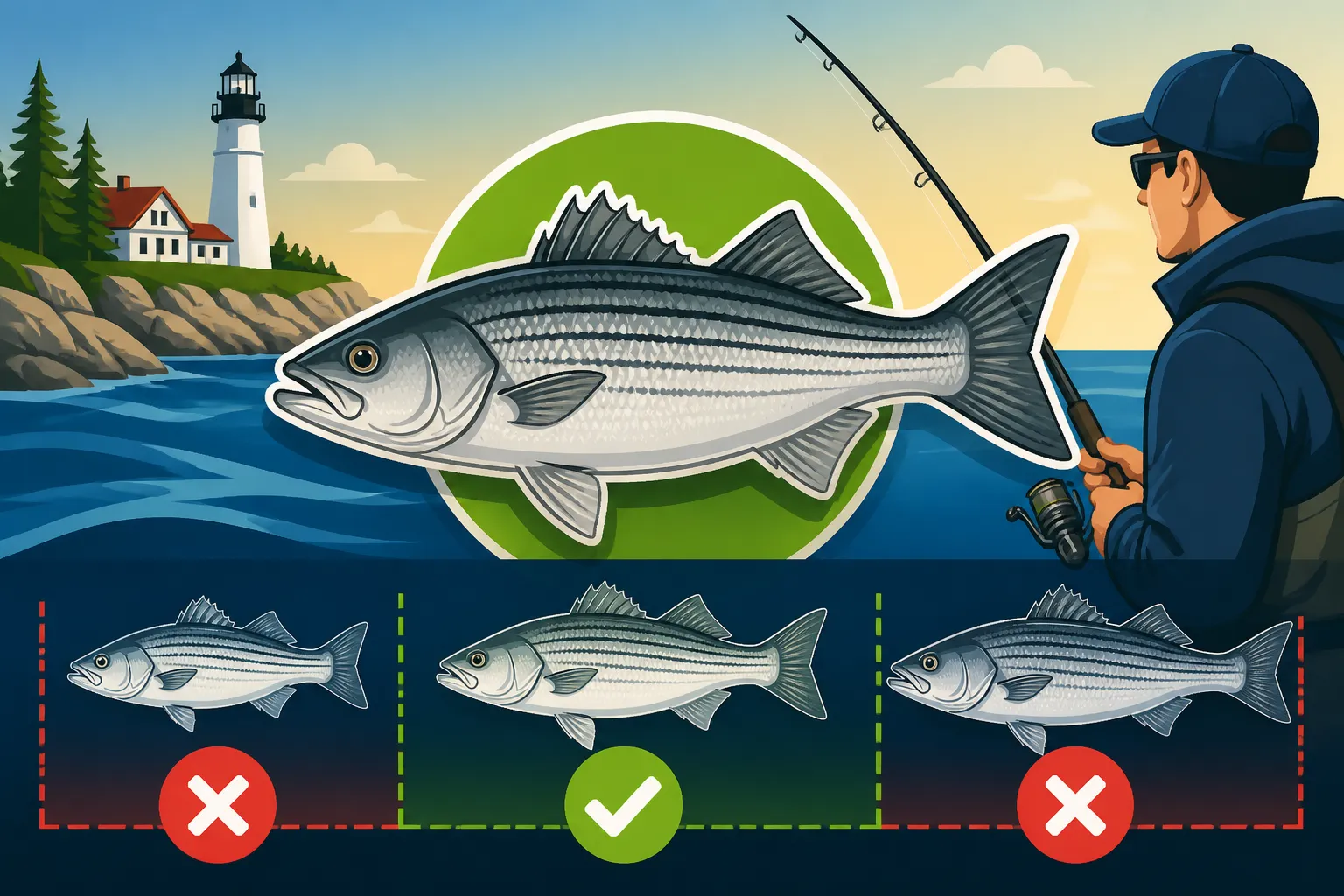
A slot limit is a fisheries management tool designed to protect certain size classes of fish within a population, typically smaller, immature fish and larger, reproductively valuable fish. Imagine a window, or a "slot," where you’re allowed to keep fish. Any fish smaller than the minimum size of the slot must be released, and any fish larger than the maximum size of the slot must also be released. The idea behind this is to allow juvenile fish to grow and mature, contributing to the next generation of spawners, and to protect the largest, most prolific breeders so they can continue to reproduce and sustain the population.
This approach is different from a simple minimum size limit, which only protects smaller fish, or a maximum size limit, which only protects larger fish. A slot limit provides a more nuanced way to manage a fishery, aiming to maintain a healthy age structure and strong spawning potential. For species like striped bass, which can grow quite large and live for many years, protecting the biggest breeders is crucial for genetic diversity and overall population resilience. It’s a conservation strategy that tries to find a sweet spot where anglers can still enjoy harvesting fish while also ensuring the species thrives for future generations.
The Current Maine Striped Bass Slot Limit
For anglers in Maine, the current striped bass slot limit is quite specific and it’s important to commit it to memory or at least have it readily accessible. As of the most recent regulations, the slot limit for striped bass allows you to keep one fish per person, per day, that measures between 28 inches and less than 31 inches in total length. This means if you catch a striper that’s 27.5 inches, you must release it. Similarly, if you land a magnificent 31.5-inch battlewagon, that fish also needs to go back into the water.
This "one fish, slot limit" rule is enforced statewide in all marine waters and tidal rivers where striped bass are found. It applies to both residents and non-residents, and it's a critical piece of the puzzle when you're planning your fishing trip. Remember that the "less than 31 inches" part is crucial – a fish measuring exactly 31 inches would be outside the slot. The purpose of this specific range is rooted deeply in conservation, aiming to balance recreational opportunities with the imperative of protecting the species. For more details on other rules you might encounter, our guide to the current Maine Fishing Regulations Explained is a helpful resource.
Why Maine Uses a Slot Limit for Stripers
Maine, along with other Atlantic coastal states, implements a slot limit for striped bass primarily for conservation and population management. Striped bass populations have faced significant challenges over the years, including overfishing and habitat concerns. The slot limit is a strategic tool to help rebuild and sustain the stock by protecting key segments of the population. Firstly, it safeguards the younger, immature fish, allowing them to grow to reproductive age and contribute to future spawning cycles. This ensures a consistent influx of new fish into the population.
Secondly, and perhaps most importantly for striped bass, the slot limit protects the largest, most mature females. These "trophy" fish are often the most prolific spawners, producing a significantly higher number of eggs than younger, smaller females. By releasing these large breeders, fisheries managers aim to maximize the reproductive output of the population, enhancing genetic diversity and overall resilience. Without the big, experienced spawners, the population's ability to bounce back from environmental pressures or fishing pressure would be severely hampered. The slot limit helps strike a balance, allowing for recreational harvest while prioritizing the long-term health of this iconic species, ensuring future generations of anglers can also enjoy the thrill of catching stripers.
Navigating the Regulations: What Anglers Need to Know
Beyond simply knowing the numbers, understanding how to comply with the Maine striped bass slot limit in practice is crucial. Mistakes can happen easily, especially when you're excited about a catch or fishing in changing conditions. Getting it right involves careful measurement, adherence to bag limits, and proper handling of fish you need to release.
Measuring Your Catch Accurately
Accurate measurement is non-negotiable when it comes to the striped bass slot limit. The rule states that length is measured from the tip of the snout to the end of the tail, with the tail compressed. This isn't just a suggestion; it's a legal requirement. When you land a striper, lay it flat on a measuring board or against a tape measure, ensuring its mouth is closed and pressed against the starting point (usually zero). Then, gently pinch the tail lobes together to achieve the maximum length. The measurement should be taken to the nearest quarter or eighth of an inch, as precision matters.
Many experienced anglers carry a dedicated measuring board, often made of durable plastic or aluminum, to ensure accuracy and minimize handling time. These boards usually have a "fence" at one end to butt the fish's nose against, making it easier to get an exact reading. Without such a tool, a simple tape measure can work, but it requires more careful positioning of the fish, which can be stressful for the animal. Remember, if there's any doubt, err on the side of caution and release the fish. It’s always better to release a keeper than to accidentally keep an illegal fish. You can find reliable measuring boards and tapes easily, even on online marketplaces like Amazon, to ensure you're always prepared.
Daily Bag Limits and Possession
The Maine striped bass slot limit isn't just about size; it's also tied to a daily bag limit. As mentioned, the regulation permits keeping one striped bass per person per day within the specified slot of 28 to less than 31 inches. This means that once you've legally harvested one striper within that size range, your daily limit is met, and any other striped bass you catch must be immediately released, regardless of its size. It's a "one and done" scenario for keeping fish.
This daily bag limit is designed to spread the harvest among more anglers and reduce overall fishing pressure on the population. There generally isn't a separate "possession limit" for striped bass in Maine beyond the daily bag limit when you're actively fishing, meaning you can't have more than your daily limit in your cooler or on your person while out on the water. However, if you take your legally harvested fish home, that fish counts towards your daily limit for that calendar day. It's crucial to understand this: you can't go out in the morning, catch a keeper, bring it home, and then go back out in the afternoon to catch another for the cooler. For a deeper dive into how many you can keep, check out our guide on How Many Striped Bass Can You Keep in Maine?. Ignorance of the rules is never an excuse, and wardens take these limits seriously.
Releasing Fish Outside the Slot
Catching a striped bass that falls outside the legal slot — whether it's too small or too large — is a common occurrence, and knowing how to properly release these fish is essential for their survival. The goal is to minimize stress and injury. First, try to land the fish quickly to reduce exhaustion. If possible, keep the fish in the water while unhooking it. Avoid dragging it onto hot sand or rocks, and never hold it by its gills or eyes.
Use a de-hooking tool or long-nose pliers to remove the hook efficiently. Barbless hooks can also make this process much easier and less damaging. If the fish is hooked deeply, it's often best to cut the line as close to the hook as possible rather than trying to rip the hook out, which can cause internal damage. When releasing, support the fish gently in the water, pointing it into any current, and allow it to revive itself until it swims away under its own power. Never simply toss a lethargic fish back into the waves. Following these best practices, as outlined in our Catch and Release Best Practices in Maine guide, greatly increases the fish's chances of survival and contributes to the overall health of the fishery.
Practical Implications for Striped Bass Anglers
The striped bass slot limit isn't just a rule; it shapes how you approach your fishing. From the gear you choose to the way you target fish, this regulation impacts almost every aspect of your striper pursuit in Maine. Understanding these implications will make you a more effective and responsible angler.
Planning Your Fishing Trip Around the Slot
When the slot limit for striped bass is in effect, it naturally influences how you plan your fishing trips. If your primary goal is to harvest a fish for the table, you'll be actively targeting fish that you believe fall within that 28-inch to less than 31-inch range. This might mean adjusting your tackle, lure size, or even the type of bait you use to be more selective for medium-sized fish, although stripers aren't always cooperative in hitting only the "right" size lure! You might focus your efforts on areas known to hold schoolie stripers that are growing into that keeper size.
Conversely, if you're a catch-and-release angler or simply prefer the thrill of fighting larger fish, the slot limit makes it clear that any really big striper you encounter must be released. This can shift your mindset from "catching to keep" to "catching for the experience." You'll want to prioritize heavy-duty gear to land large fish quickly and effectively, minimizing their fight time and stress before release. Regardless of your intention, always have your measuring device ready. The slot limit ensures that every striped bass you encounter, whether kept or released, contributes to the overall management strategy, making every decision on the water a conscious one.
Common Misconceptions and Violations
It's easy for misconceptions to arise when regulations change or are complex. One common mistake anglers make is misinterpreting the "less than 31 inches" part of the slot limit. Many mistakenly believe that a 31-inch fish is a keeper, but it is not; it must be less than 31 inches. Another frequent error is forgetting about the single-fish bag limit, especially after a successful outing. Anglers might accidentally keep two fish within the slot, thinking they're simply adhering to the size rule, not realizing the "one fish per person" daily limit.
Beyond the slot itself, there are other critical regulations that can lead to violations. Fishing for striped bass without a valid Maine Saltwater Fishing Registry Guide is a common oversight. While Maine doesn't require a traditional "license" for saltwater fishing, residents and non-residents 16 and older do need to register annually with the state. Furthermore, exceeding the daily bag limit or possessing an undersized or oversized striped bass can result in significant fines and penalties. Wardens patrol coastal areas and are diligent in enforcing these rules. If you're caught Fishing Without a License in Maine or violating other specific rules, the consequences can range from monetary fines to confiscation of gear. It's crucial to be informed, and guides like What Happens If You Fish in Maine Without a License? further explain the potential repercussions.
Staying Up-to-Date with Regulation Changes
Fishing regulations, especially for migratory species like striped bass, are not static. They are dynamic and subject to change based on scientific assessments of fish populations, environmental factors, and interstate management agreements. What was legal last year might not be this year, and what applies in Maine might be different in a neighboring state like New Hampshire. Therefore, staying informed is paramount for any responsible angler.
The best source for the most current and official Maine fishing regulations is the Maine Department of Inland Fisheries and Wildlife (MDIFW) website. They publish an annual law book that details all regulations, including those for striped bass. Local bait and tackle shops are also excellent resources, as they often have the latest printed summaries and experienced staff who can answer questions. Before heading out for your first striper trip of the season, make it a habit to check the current rules. A quick search online for "Maine fishing regulations" will typically lead you to the official MDIFW site, where you can download the latest version of the law book. You can even find specific guidelines on the Maine Fishing Law Book Where to Get One. Staying informed ensures your trip is enjoyable and compliant.
Gear and Techniques for Responsible Striper Fishing
Beyond understanding the regulations, having the right gear and employing responsible techniques are essential for successful and ethical striped bass fishing, especially with a slot limit in place. It’s about being prepared for whatever you might catch and knowing how to handle it properly.
Essential Gear for Measuring and Releasing
When you’re out targeting striped bass in Maine, having the right tools for measuring and safely releasing fish that don't fit the slot limit is just as important as your rod and reel. A good, durable measuring device is at the top of the list. While a simple cloth or metal tape measure can work in a pinch, a solid, rigid fish measuring board is far superior. These boards, often made of plastic or aluminum, allow for quick and accurate measurements, minimizing stress on the fish. They have a fixed end for the fish's nose and clear markings, making it easy to see if your catch falls within the 28-inch to less than 31-inch slot. Many popular models are available and can be easily purchased online from retailers like Amazon.
In addition to a measuring board, investing in a quality pair of de-hooking pliers or a dedicated de-hooking tool is crucial. These tools allow you to quickly remove hooks, especially those deeply embedded, without having to handle the fish excessively or put your fingers near sharp teeth. Long-nose pliers are versatile, but specific de-hookers can be even more effective for difficult extractions. A pair of lip grippers can also be useful for securely holding larger stripers for measurement or photos while keeping your hands away from the fish's body, reducing the chance of harming its protective slime layer. Always have these items readily accessible so you can act fast when a fish is landed.
Techniques for Minimizing Stress on Fish
Responsible angling goes beyond just following the slot limit; it involves actively minimizing stress and injury to every fish you encounter, especially those you intend to release. One of the most critical techniques is to reduce the fight time. Using appropriately sized tackle – rods, reels, and line – that matches the potential size of the striped bass you might catch helps you land the fish more quickly, preventing it from becoming overly exhausted. A prolonged fight can leave a fish too fatigued to recover after release.
Another key technique is to keep the fish in the water as much as possible. If you must remove it, do so quickly, handling it with wet hands to protect its slime coat, which acts as a barrier against disease. Avoid placing the fish on dry, abrasive surfaces like sand, rocks, or boat decks. When holding a fish for a photo, support its body horizontally and avoid hanging it vertically by its jaw or gills, which can cause internal damage. Furthermore, consider using barbless hooks or crimping down the barbs on your hooks. This makes hook removal much easier and quicker, leading to less trauma for the fish. Practicing these techniques, which are well-covered in our guide on Catch and Release Best Practices in Maine, ensures that even released fish have the best possible chance of survival and contribute to the overall health of the fishery.
Where to Target Stripers in Maine
Maine's coastline offers fantastic opportunities for striped bass fishing, with various habitats attracting these powerful fish. Understanding where to target them can increase your chances of finding fish within the legal slot limit. Stripers are often found in tidal rivers, estuaries, and along rocky shorelines and sandy beaches. Early in the season, as the water warms, they tend to move into shallower areas of tidal rivers like the Kennebec River or the Penobscot River. Here, they'll often chase baitfish that are also moving into warmer, shallower waters.
As the season progresses through summer, striped bass spread out along the coast, frequenting rocky points, coves, and beach fronts where baitfish congregate. Popular spots include the numerous islands and ledges of Casco Bay, as well as the mouths of rivers and inlets all along the southern and mid-coast. They are opportunistic feeders, so look for areas with structure, current, and a good food supply. Whether you're fishing from shore, a kayak, or a boat, focusing on these types of areas will generally put you in front of stripers. Keep an eye on our Maine Striped Bass Season and Limits guide for details on when and where these fish are most active, and remember that local bait shops are always a treasure trove of real-time information on where the bite is happening.
| Aspect | Maine Striped Bass Slot Limit | Purpose |
|---|---|---|
| Legal Size | 28 inches to less than 31 inches (Total Length) | Protects juvenile fish, allowing them to mature, and large, prolific breeders, ensuring maximum reproductive output. |
| Bag Limit | One (1) fish per person, per day | Limits overall harvest, distributes catch among more anglers, and reduces pressure on the population. |
| Measurement Method | Tip of snout to end of compressed tail | Ensures consistent and accurate measurement across all anglers, leaving no ambiguity for enforcement. |
| Release Requirement | Fish outside the slot (under 28" or 31" and over) must be immediately released. | Crucial for the conservation goal of the slot limit, ensuring vulnerable and vital breeding stock remain in the water to sustain the population for years to come. |
| Why it Matters | Conservation, Population Health | Balances recreational fishing opportunities with the long-term sustainability of the striped bass population in Maine. |
Disclaimer
Please note that fishing regulations are subject to change. Always consult the most current Maine Department of Inland Fisheries and Wildlife (MDIFW) regulations before planning your fishing trip. This guide is for informational purposes only and should not be considered legal advice.