Best Rangeley Lake Guide for Fly Fishing
Finding that perfect fly fishing guide for Rangeley Lake can feel a bit like searching for a needle in a haystack, especially when you're dreaming of rising trout and leaping salmon on the pristine waters of Western Maine. You want someone who not only knows the water like the back of their hand but also understands your goals for the day, whether you're a seasoned pro chasing a trophy or a beginner eager to learn the ropes. This guide is here to cut through the noise and help you pinpoint the best Rangeley Lake guide to make your fly fishing aspirations a reality.
The Allure of Rangeley Lake for Fly Fishing and What Makes a Guide Essential
Rangeley Lake, and the broader Rangeley Lakes Region, isn't just a place; it's an experience, a living legend for anyone passionate about fly fishing. Its reputation isn't unfounded, drawing anglers from all over for its exceptional coldwater fisheries. But what specifically makes it such a fly-fishing paradise, and why is a guide often the secret ingredient to success here?
Why Rangeley Stands Out for Fly Anglers
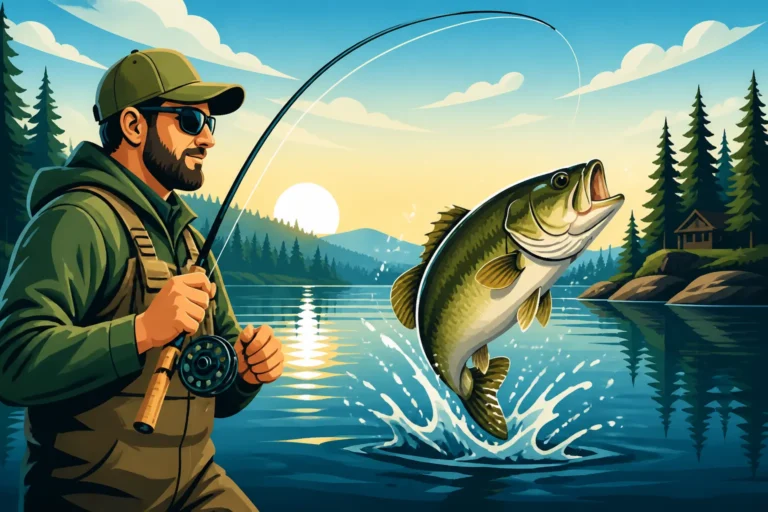
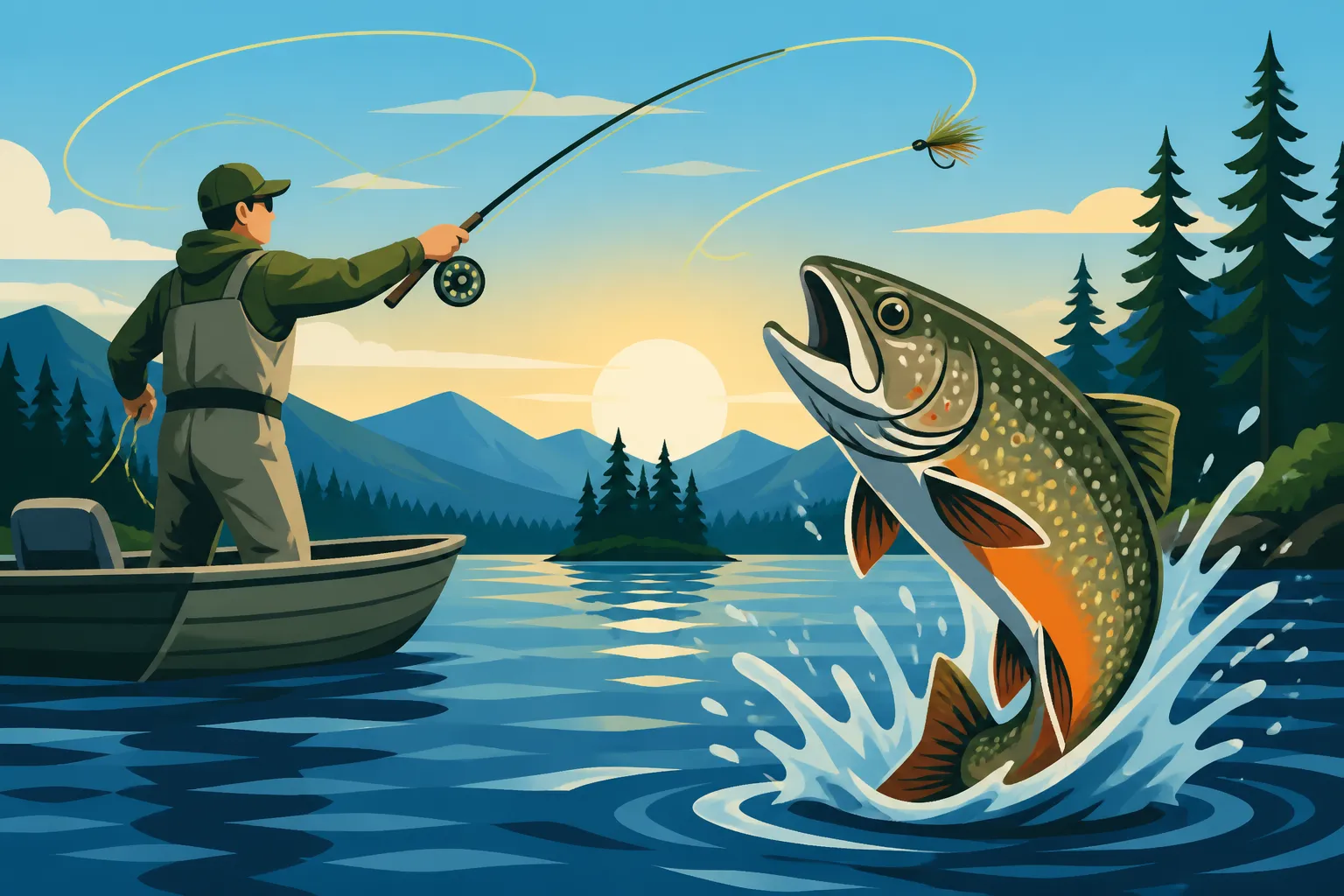
Imagine casting a delicate dry fly onto glass-smooth water, watching it drift, and then seeing the surface explode as a feisty landlocked salmon or a vibrant brook trout strikes. That's the Rangeley dream, and it's very much alive. The region boasts a unique blend of large, deep lakes, connecting rivers, and countless smaller ponds and streams, creating an incredibly diverse ecosystem for fly fishing.
You've got the main lake itself, Rangeley Lake, which is a prime location for trolling flies for landlocked salmon and sizable lake trout (or togue, as we Mainers often call them) when they're deep. But for the purist fly angler, the real magic often lies in the tributary rivers and streams, and the numerous smaller, wild ponds scattered throughout the backcountry. These waters are often teeming with native brook trout, which are a true joy on a fly rod. The challenge here is understanding the currents, the hatches, and the specific holding lies for these elusive fish. Knowing when the Rangeley Lakes Landlocked Salmon Fishing in Maine is at its peak or where to find the best Rangeley Lakes Brook Trout Fishing is crucial, and that local intelligence is where a top-tier guide truly shines.
The sheer variety of water means you can spend a day nymphing a riffle, casting streamers in a deep pool, or delicate dry fly fishing in a remote pond. Each technique requires a different approach, and the fish behavior can change by the hour based on weather, water temperature, and insect activity. It's a complex puzzle, and solving it is what makes Rangeley so endlessly captivating for the dedicated fly angler.
The Indispensable Role of a Local Guide in Rangeley
You might be thinking, "Can't I just go it alone with a map and some internet research?" And yes, you can. Many do. But to truly unlock the full potential of Rangeley's fly fishing, especially if you're not a local who spends weeks there every season, a guide isn't just a luxury; it's a game-changer. Think of it this way: a map shows you the roads, but a local friend shows you the hidden paths, the secret viewpoints, and tells you the stories that make the landscape come alive.
A Rangeley fly fishing guide brings years, often decades, of intimate knowledge to your trip. They know where the fish are holding in different water conditions, what flies are working right now, and how to adapt when conditions change unexpectedly. They've spent countless hours on these waters, learning the subtle nuances that no general guide book could ever teach you. This deep understanding means less time guessing and more time fishing effectively.
For example, a guide can take you to a remote brook trout pond that would require hours of bushwhacking and navigation if you tried it solo, or they can expertly position a drift boat on a river to give you the perfect casting lane for a rising salmon. They also understand the local regulations, which can be complex and vary from one water body to another. This expertise saves you precious fishing time and significantly increases your chances of success, turning a good day into an unforgettable one. It's not just about catching fish; it's about learning, improving your skills, and experiencing Rangeley in a way you simply couldn't on your own.
Key Qualities to Look for in the Best Rangeley Fly Fishing Guide
So, how do you sift through the options and find that truly exceptional Rangeley Lake fly fishing guide? It's more than just finding someone with a boat. It's about finding the right blend of experience, personality, and professionalism that aligns with your fishing goals.
Experience, Expertise, and Local Knowledge
When you're looking for the "best," experience is non-negotiable, especially in a region as nuanced as Rangeley. You want a guide who isn't just familiar with the area but intimately connected to it. This means:
- Years on the Water: Has your prospective guide spent multiple seasons, not just a few trips, guiding in Rangeley? The longer they've been on these waters, the more attuned they'll be to the seasonal shifts, the specific hatches, and the fish movements that dictate success. They'll know the difference between early season salmon patterns and late summer brook trout haunts.
- Species-Specific Expertise: While many guides are versatile, some specialize. If your dream is to catch a trophy landlocked salmon on a swung fly, look for a guide renowned for their Landlocked Salmon Fishing in Maine knowledge. If wild brook trout are your passion, seek out someone celebrated for their expertise in smaller streams and ponds. A truly great guide will have a deep understanding of the behavior, feeding habits, and preferred habitats of the target species you're after. They'll know which flies to tie on and exactly where to present them.
- Reading the Water and Conditions: Rangeley weather can be fickle. A top guide can read the water, the wind, and the sky, and make real-time adjustments to your fishing plan. They know which stretches of river fish best on a bright, sunny day versus a cloudy one, or which coves on the lake offer shelter when the wind picks up. This isn't something you can learn overnight; it comes from countless hours observing and adapting.
Always look for a guide who is a Registered Maine Guide. This certification ensures they meet state-mandated standards for wilderness first aid, navigation, and overall outdoor skills, adding an important layer of safety and credibility. You can often find information about guides and their specialties on booking platforms like FishingBooker, which allows you to compare different offerings.
Teaching Style and Client Compatibility
The "best" guide isn't just a fish-finder; they're also an educator and a companion. Their teaching style and personality are paramount to your enjoyment and learning experience.
- Patience and Instruction: If you're new to fly fishing, or just looking to refine your technique, a patient guide who can break down casting mechanics, fly selection, and presentation is invaluable. Some anglers prefer a hands-off approach, while others thrive with constant feedback. Consider what kind of instruction you're looking for. Are they good at explaining "why" certain techniques work? Do they adapt their teaching to your learning style? For those just getting started, a guide well-versed in Fly Fishing for Beginners in Maine can make all the difference, transforming potential frustration into genuine progress and enjoyment.
- Matching Your Experience Level: A guide who primarily caters to seasoned experts might not be the best fit if you're bringing your kids for their first fly fishing experience, and vice-versa. Be upfront about your skill level and expectations when communicating with potential guides. A good guide will listen to your needs and tailor the day accordingly, ensuring everyone, from novice to expert, has a rewarding experience.
- Personality Fit: You'll be spending a significant amount of time with your guide, often in close quarters. Do you prefer a quiet, contemplative experience, or do you enjoy lively conversation and banter? Reading reviews and perhaps a brief phone call before booking can give you a sense of their personality and help you gauge if they're a good match. Many guides list their preferred fishing styles and specialties on platforms like FishingBooker, giving you a chance to find someone who aligns with your fishing philosophy.
Reputation, Safety, and Professionalism
A guide's reputation speaks volumes. Look for consistent positive feedback regarding their professionalism, safety practices, and overall client satisfaction.
- Online Reviews and Testimonials: Platforms like FishingBooker are excellent resources for seeing what previous clients have to say. Look for comments that highlight not just successful fishing, but also positive experiences, safety consciousness, and enjoyable interactions. Pay attention to how guides respond to feedback, both positive and constructive.
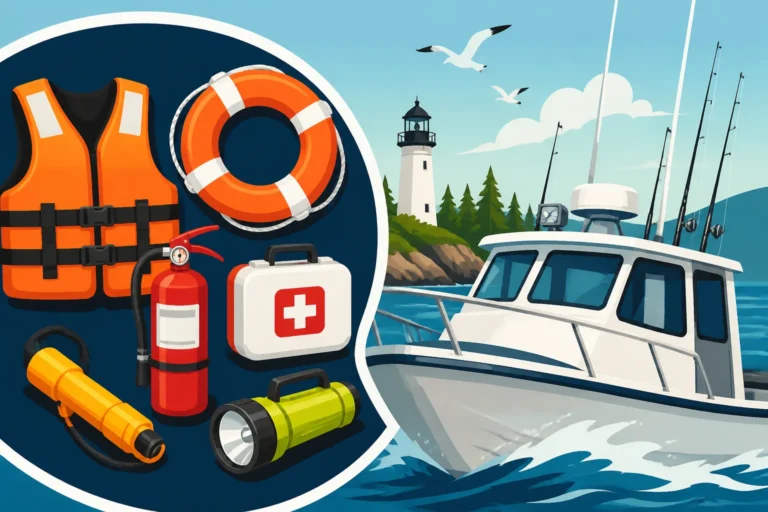
- Safety First Mentality: Your guide should always prioritize your safety. This includes having appropriate safety gear on board (first-aid kit, PFDs, communication devices), being knowledgeable about local hazards (rock gardens, currents, rapidly changing weather), and making sound judgments, even if it means altering plans due to unsafe conditions. A Registered Maine Guide will have basic first aid and CPR certifications, which is a crucial aspect of their professionalism.
- Clear Communication and Logistics: The best guides are organized and communicate clearly. They'll confirm details, explain what to bring, and be punctual. There should be no surprises regarding what's included in the trip, the meeting spot, or the schedule. This level of professionalism ensures a smooth and stress-free experience from start to finish.
Planning Your Rangeley Fly Fishing Adventure: Beyond Just Picking a Name
Once you have a few potential guides in mind, it's time to refine your plans and ensure your Rangeley fly fishing trip is everything you hoped for. It's not just about who you fish with, but how you prepare for the experience.
Understanding Different Trip Offerings and Costs
Maine guides, especially those specializing in fly fishing, offer a variety of experiences. Understanding these options will help you choose the trip that best suits your budget and aspirations.
- Half-Day vs. Full-Day: Half-day trips are typically shorter, lasting around 4-5 hours, and are often a good choice for beginners, families with younger children, or those on a tighter schedule. Full-day trips usually run 8-9 hours and offer more time to explore different spots, try various techniques, and maximize your chances for a diverse catch. Naturally, full-day trips come at a higher cost but often provide a more immersive experience. Guides might offer specialized trips too, like morning dry fly hatches or evening streamer fishing.
- Walk-Wading vs. Drift Boat/Motorboat: Many Rangeley guides offer both walk-wading trips on rivers and streams, or boat trips on the larger lake or ponds. Walk-wading allows for a more intimate experience with smaller waters and can be physically demanding, requiring good mobility. Boat trips provide access to more water, deeper sections, and can be more comfortable, especially for longer days or if you have mobility concerns. Make sure you discuss the type of water and method of fishing you prefer.
- What's Included?: Always clarify what your guide trip includes. Most Maine Fly Fishing Guide Rates will cover the guide's time, instruction, and often flies, tippet, and leaders. Many provide quality fishing rods and reels if you don't have your own or prefer to travel light. Some guides may include a shore lunch or snacks on full-day trips, while others expect you to bring your own. It's crucial to ask about these details upfront to avoid any misunderstandings. This information is usually clearly outlined on a guide's profile or on booking platforms like FishingBooker.
Preparing for Your Guided Trip
A little preparation on your part can go a long way in making your guided trip more enjoyable and productive.
- Licensing: The most critical item! You absolutely need a valid Maine fishing license. You can purchase these online through the Maine Department of Inland Fisheries and Wildlife website or in person at various agents across the state. Make sure you understand the Maine Fishing License Guide and have the correct license for the waters you'll be fishing. It's usually best to purchase this before you meet your guide to avoid delays.
- Clothing and Gear: Maine weather, especially in the mountains around Rangeley, can change quickly. Dress in layers, even in summer. Waterproof outer layers (rain jacket and pants) are highly recommended. Waders and wading boots are essential for walk-wading trips; check with your guide if they provide them or if you need to bring your own. Sun protection (hat, sunglasses, sunscreen) is also key. Your guide will typically provide all the necessary fishing gear, but if you have a favorite rod or reel, ask if you can bring it.
- Personal Items: Don't forget snacks and drinks, especially on a full-day trip, even if lunch is provided. A camera is a must-have to capture the stunning scenery and your potential trophy fish! Any personal medications or items you might need should be in an easily accessible bag.
- Questions for Your Guide: Before your trip, don't hesitate to ask your guide questions. What species will you target? What are the current conditions like? What's the plan for the day? The more you communicate your expectations and listen to their advice, the smoother the trip will be.
| Aspect of Guide Trip Planning | Key Considerations and Questions |
|---|---|
| Duration | Half-day (4-5 hrs) vs. Full-day (8-9 hrs)? What's included in each? |
| Fishing Method | Walk-wading (streams) vs. Boat (lake/larger rivers)? Which suits my mobility/preference? |
| Inclusions | Does the price cover flies, tackle, rods, reels, lunch, drinks? |
| Licensing | Do I have a valid Maine Fishing License Guide for fresh water? |
| Clothing | Layers, rain gear, sun protection, waders (if needed)? |
| Personal Gear | Snacks, water, camera, medications, small backpack? |
| Target Species | Focus on salmon, brook trout, or both? |
| Skill Level | Beginner, intermediate, advanced? Do they tailor instruction? |
| Booking Timing | How far in advance should I book, especially for peak season? |
Booking and Communication Tips
Once you've identified your ideal Rangeley guide, secure your date!
- Book in Advance: The best guides, especially during peak seasons like spring (salmon and brook trout) or fall (trout spawning runs), book up quickly. It's wise to book several months in advance, especially if you have specific dates in mind. Platforms like FishingBooker allow you to see guide availability and book directly.
- Be Specific About Expectations: When you book, clearly articulate your goals. Are you focused on catching a lot of fish, learning new techniques, targeting a specific species, or just enjoying the scenery? The more information you provide, the better your guide can tailor the experience. This helps avoid any disappointment later on.
- Confirm Details: A week or so before your trip, reconfirm the meeting time and location, and any last-minute details with your guide. This ensures everyone is on the same page and helps mitigate any unforeseen issues.
- Consider Peak Seasons: The Best Time of Year to Book a Rangeley Lake Guide often aligns with popular fishing seasons. Spring after ice-out is fantastic for aggressive salmon and trout, while late spring and early summer offer incredible dry fly opportunities. Fall can bring brilliant foliage and active fish before winter sets in.
Elevating Your Experience: Maximizing Your Time with a Top Guide
Hiring a guide is an investment, not just financially, but in your fishing education and enjoyment. To truly get the most out of your Rangeley fly fishing adventure, there are a few things you can do during and after your trip.
Being a Good Client and Learning from Your Guide
Your guide is there to help you succeed and have a great time, but it's a two-way street. Being a good, engaged client can significantly enhance your experience.
- Listen and Ask Questions: Your guide has spent thousands of hours on these waters. They're a walking encyclopedia of local fishing knowledge. Listen attentively to their instructions on casting, presentation, and where to place your fly. Don't be shy about asking questions! "Why are we using this Fly Selection for Brook Trout pattern today?" or "What's the best way to mend my line in this current?" These are excellent questions that will deepen your understanding.
- Be Open to New Techniques: Even if you have a preferred way of fishing, be open to trying new techniques or flies your guide suggests. They're recommending it for a reason – because it's what's working right now on their waters. You might discover a new favorite method! A great guide can help you refine your Maine Open Water Fishing Techniques Guide specific to Rangeley.
- Follow Instructions: Especially regarding safety, casting lanes, or handling fish, always follow your guide's instructions. They have your best interests and the health of the fishery at heart.
- Be Realistic: Fishing is fishing, and there are no guarantees. While a good guide significantly increases your chances, sometimes the fish just aren't cooperating. Enjoy the experience, the scenery, and the learning, regardless of the size or number of fish caught.
Post-Trip Etiquette and Future Planning
The experience doesn't end when you step off the boat or out of the river. How you conclude your trip and what you do afterward can make a difference.
- Tipping: It is customary to tip your guide, much like you would a server or other service professional. A general guideline for Tipping Etiquette for Maine Fishing Guides is 15-20% of the trip's cost, assuming you had a good experience. If your guide went above and beyond, consider tipping more. This gesture shows your appreciation for their hard work, knowledge, and dedication.
- Leave a Review: Share your experience! Platforms like FishingBooker thrive on honest reviews. A positive review not only helps other anglers find a great guide but also provides valuable feedback and recognition for your guide's efforts. Mention what you enjoyed most, what you learned, and how the guide contributed to your day.
- Stay in Touch (Optional): If you had an exceptional experience and plan to return to Rangeley, consider staying in touch with your guide. They might be able to offer insights on optimal booking times for next season, or notify you of specific fishing opportunities. Building a relationship with a guide can lead to even more personalized and rewarding trips in the future.
- Consider a Multi-Day or Different Season Trip: If you loved your Rangeley experience, think about booking another trip for a different season to explore new facets of the fishery. Maybe you did a spring salmon trip; next time, try a fall brook trout adventure or explore a remote pond. There's always more to learn and discover in the Rangeley Lakes Region.
Remember, the "best" Rangeley Lake guide for fly fishing is ultimately the one who provides you with the most rewarding and memorable experience, tailored to your individual needs and fishing aspirations. Do your homework, communicate openly, and get ready to create some incredible memories on Maine's legendary waters.
Disclaimer
This article is for general informational purposes only and does not constitute professional advice. Laws, prices and regulations vary by location and change over time. Consult a qualified professional for guidance on your specific situation.