Maine Fishing License Age Cutoff for Kids
It's incredibly common for parents and guardians to scratch their heads when trying to figure out if their eager young anglers need a fishing license in Maine. The rules can feel like a tangled line, especially when you're trying to plan a family outing and just want to enjoy the beautiful waters without accidentally breaking any regulations. This guide is here to clear up all that confusion, giving you the definitive scoop on Maine's fishing license age cutoff for kids, what it means for your family, and how to stay on the right side of the law.
Understanding Maine's Fishing License Age Requirements for Young Anglers
The thrill of a child catching their first fish is truly unmatched, but before you cast off, knowing the specific age requirements for fishing licenses in Maine is paramount. Maine aims to encourage youth participation in fishing, and this is reflected in its approachable regulations for younger enthusiasts. However, there's a specific age when the rules shift, and it’s important to be prepared for that transition.
The Golden Age: Who Fishes Free in Maine
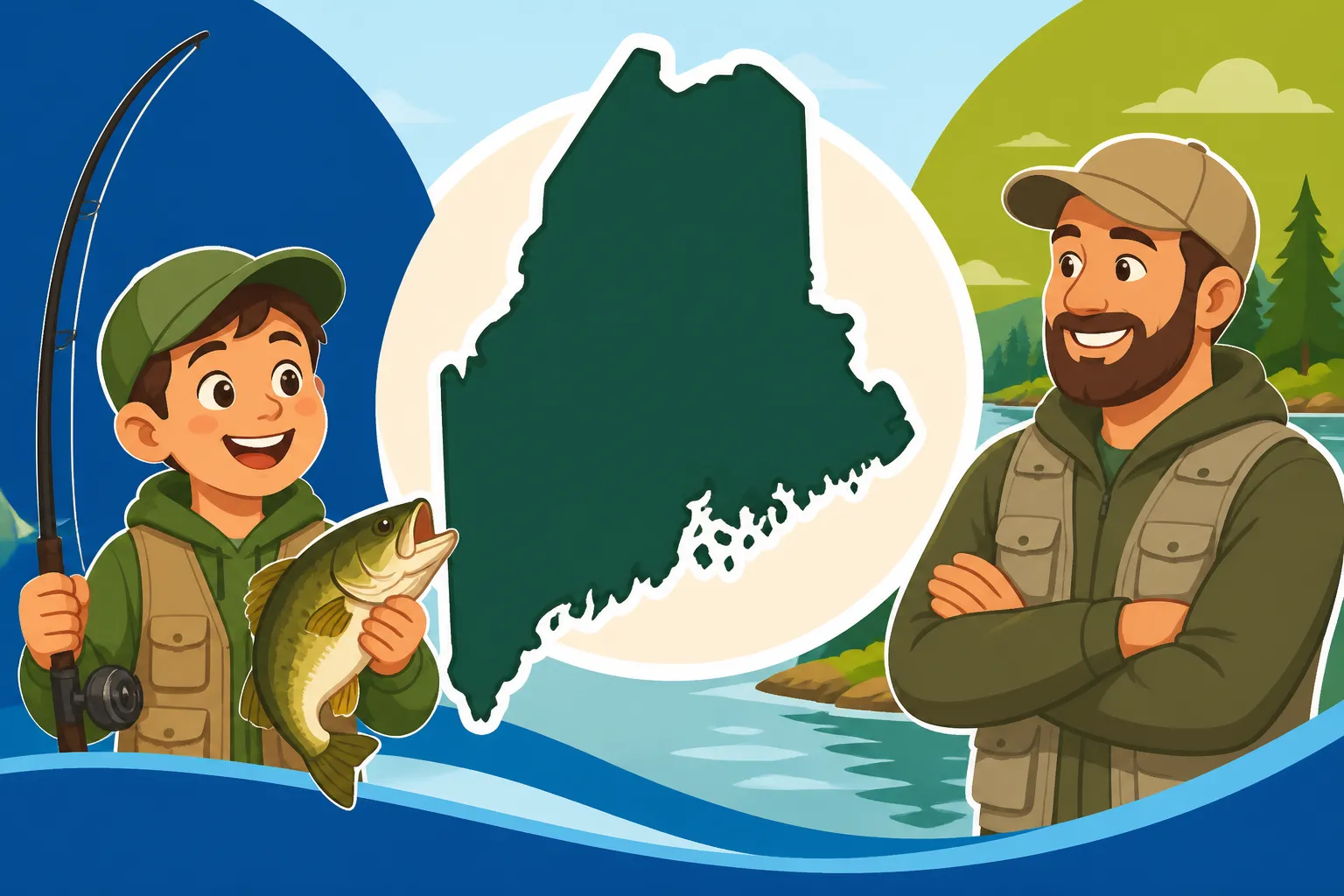
Here's the great news that brings smiles to many families: in Maine, any child under the age of 16 does NOT need a fishing license to fish in freshwater. This is a fantastic incentive for parents to introduce their children to the joys of angling without the added step or cost of purchasing a license for them. Whether you're planning a quiet afternoon casting for brook trout in a small pond or trying your luck for bass on a larger lake, as long as your child is under sixteen, they can fish freely alongside you. This exemption applies to both residents and non-residents, making Maine a welcoming destination for all young visiting anglers. It's a wonderful way to foster a love for the outdoors and fishing from an early age, removing a potential barrier to entry for many families.
When a License Becomes Necessary
The moment your child celebrates their 16th birthday, the rules change. Once they turn 16, they are legally considered an adult in the eyes of Maine's fishing regulations and must possess a valid Maine fishing license to continue fishing in the state's inland waters. This is a significant milestone for young anglers, marking their entry into the adult world of licensed fishing. It’s not just about turning a year older; it’s about taking on the responsibility that comes with managing Maine’s natural resources. While it might seem like a sudden jump, it's consistent with many other state regulations regarding activities that involve licensing. At this age, they’ll need to apply for an adult freshwater fishing license, just like any other angler over 16. You can find out more about the different options and what they entail by checking out the guide on Maine Fishing License Costs Guide.
Proof of Age and Residency
While children under 16 don't need a license, it's always a good idea to carry some form of identification that can verify their age, especially if they are close to the cutoff. A copy of a birth certificate, school ID, or passport can be helpful, though typically wardens are understanding. For those turning 16, or anyone applying for a license, proof of age and residency will be required. Maine residents, for example, often need to show a valid Maine driver's license or state ID card. Non-residents will use their out-of-state identification. This is a standard procedure to ensure that the correct type of license is issued and that all regulations are followed. For deeper insights into the process, you might want to look at How to Get a Maine Fishing License.
Why Maine's Youth Fishing License Rules Matter
These age-based regulations aren't arbitrary. They are carefully designed to achieve a balance between encouraging youth participation and effectively managing the state's precious fishery resources. It's all part of a larger plan to ensure that Maine's lakes, rivers, and ponds remain vibrant and healthy for generations to come.
Supporting Conservation Efforts
Every fishing license purchased in Maine contributes directly to the conservation and management of the state's fish populations and their habitats. The funds generated from license sales are vital for programs like fish stocking, habitat restoration, scientific research, and wildlife law enforcement. By setting the age cutoff at 16, the state recognizes that children are still learning the ropes and shouldn't be burdened with the cost, while also ensuring that older, more experienced anglers contribute to the sustainability of the sport. It's a system designed to protect the very resource we all love to enjoy. These efforts are crucial, and understanding them helps anglers appreciate the bigger picture behind the regulations. If you're curious about the general framework, the Maine Fishing Regulations Explained article offers a comprehensive overview.
Ensuring Fair Play and Enforcement
Having clear age guidelines helps wardens and enforcement officers maintain order and fairness on the water. When everyone understands who needs a license and when, it makes it easier to ensure compliance and deter those who might try to circumvent the rules. It also means that wardens can focus on educating anglers and addressing more serious infractions, rather than constantly clarifying basic age requirements. These rules are part of the broader framework of Maine Fishing Laws for Beginners, which aims to make fishing accessible and enjoyable for everyone while protecting the environment.
Teaching Responsibility Early
While children under 16 don't need a license, involving them in the process of understanding why licenses are necessary can be a powerful educational tool. Explain to them that their future fishing experiences depend on these collective efforts. As they approach 16, getting their first license can be a rite of passage, teaching them about personal responsibility, contributing to conservation, and respecting wildlife laws. It’s an opportunity to instill a sense of stewardship for Maine's natural environment. You can even make it a fun event, letting them choose a new tackle box or a set of lures from a place like Amazon to go along with their new licensing responsibility.
How to Get a Fishing License for Older Kids (and Yourself!)
Once your child hits that sweet sixteen mark, or if you, as an adult, need to purchase a license, the process is straightforward. Maine has made it quite convenient to acquire a fishing license, whether you prefer the ease of online transactions or the personal touch of an in-person purchase.
Online Purchase Process
The most popular and often easiest way to purchase a Maine fishing license is online. The Maine Department of Inland Fisheries and Wildlife (MDIFW) offers a user-friendly portal where you can buy various licenses, including the basic fishing license. You'll need to provide some personal information, including your name, address, date of birth, and proof of residency if applicable. The process usually takes just a few minutes, and you can print your license right from home. This instant access means you can decide to go fishing on a whim and be properly licensed in no time. It's also a great way to handle renewals, ensuring you're always good to go for the season. For more detailed instructions, check out How to Buy a Maine Fishing License Online.
In-Person Options
If you prefer to handle things face-to-face, or if you're already out and about picking up bait and tackle, you can purchase a Maine fishing license from numerous agents across the state. These include many sporting goods stores, general stores, and town offices. This can be a great option if you have questions or need assistance with the application. Plus, it’s a wonderful way to support local businesses! Places like certain hardware stores or even some Walmart locations in Maine often serve as license agents. Just remember to bring all necessary identification with you. To find a convenient location near your favorite fishing spot, read Where to Buy a Maine Fishing License.
Required Information for Purchase
Regardless of whether you purchase online or in person, you'll generally need to provide the following information:
- Full Legal Name
- Date of Birth
- Physical Address (for residency verification)
- Height and Weight (for identification on the license)
- Eye Color (for identification)
- Driver's License or State ID Number (if applicable)
For non-residents, similar identification from your home state will be required. It’s wise to have these details handy to ensure a smooth transaction. You might even consider purchasing some fishing essentials like a new fishing hat or a waterproof fishing journal from Amazon while you're thinking about licenses.
Important Exemptions and Other Considerations
While the age 16 cutoff is the primary rule of thumb, there are a few other situations and exemptions worth noting that can impact when and if a license is needed for younger or specific anglers in Maine. These nuances are important for a complete understanding of Maine’s fishing regulations.
Free Fishing Days Opportunities
Maine offers special "Free Fishing Days" throughout the year, typically one in the winter for ice fishing and another in the summer for open water fishing. On these designated days, anyone, regardless of age or residency, can fish without a license. These are fantastic opportunities to introduce new anglers, both young and old, to the sport without any licensing hurdles. It's a perfect chance to get out as a family and enjoy Maine's waters. Keep an eye on the MDIFW website for the specific dates each year. More details can be found in our guide on Maine Free Fishing Days Guide.
Special Situations: Military, Disabled Veterans, and Lifetime Licenses
Maine also provides special considerations for certain groups. For example, active-duty military personnel and disabled veterans often have specific exemptions or reduced rates for fishing licenses. While this might not directly apply to children, it's good for families to be aware of these provisions if they have members who qualify. Furthermore, Maine offers Lifetime Fishing Licenses in Maine for residents. These can be purchased for children under 16, meaning they would never need to renew a license once they hit the age requirement. It's a one-time investment that guarantees a lifetime of fishing enjoyment in Maine. You can also explore options for Disabled Veteran Fishing License Eligibility if that applies to your family.
Saltwater Registry vs. Freshwater License for Kids
It’s important to distinguish between freshwater and saltwater fishing requirements. While the under-16 rule generally applies to freshwater, saltwater fishing has its own set of guidelines. For recreational saltwater fishing in Maine, including from shore, a dock, or a private boat, you typically need to register with the Maine Saltwater Fishing Registry. However, children under 16 are usually exempt from this registry requirement if they are fishing recreationally. If they are fishing on a licensed charter boat, they are typically covered by the captain's license. Always double-check the latest regulations, especially if planning a trip to the coast. Our guide on the Maine Saltwater Fishing Registry Guide provides comprehensive information on these differences.
Here’s a quick overview of Maine's fishing license age cutoffs:
| Age Group | Freshwater Fishing License Required? | Saltwater Fishing Registry Required? | Notes |
|---|---|---|---|
| Under 16 | No | No | Children fish free; proof of age recommended if near 16. |
| 16 and Older | Yes | Yes (for recreational fishing) | Must purchase appropriate licenses/registrations. |
| Free Fishing Days | No (for all ages) | No (for all ages) | Specific dates only, announced annually by MDIFW. |
Navigating these regulations ensures a smooth, enjoyable, and lawful fishing experience for your entire family in the beautiful state of Maine. Whether you're planning a trip to Moosehead Lake or exploring the coastal waters, being informed is your best catch! You can even pick up a helpful guide book or map from Amazon before your trip to enhance your planning.
Disclaimer
Please remember that fishing regulations can change. While this guide aims to be as accurate and up-to-date as possible, it is always best practice to consult the official Maine Department of Inland Fisheries and Wildlife (MDIFW) website or their current law book for the most current and complete information before heading out on the water.