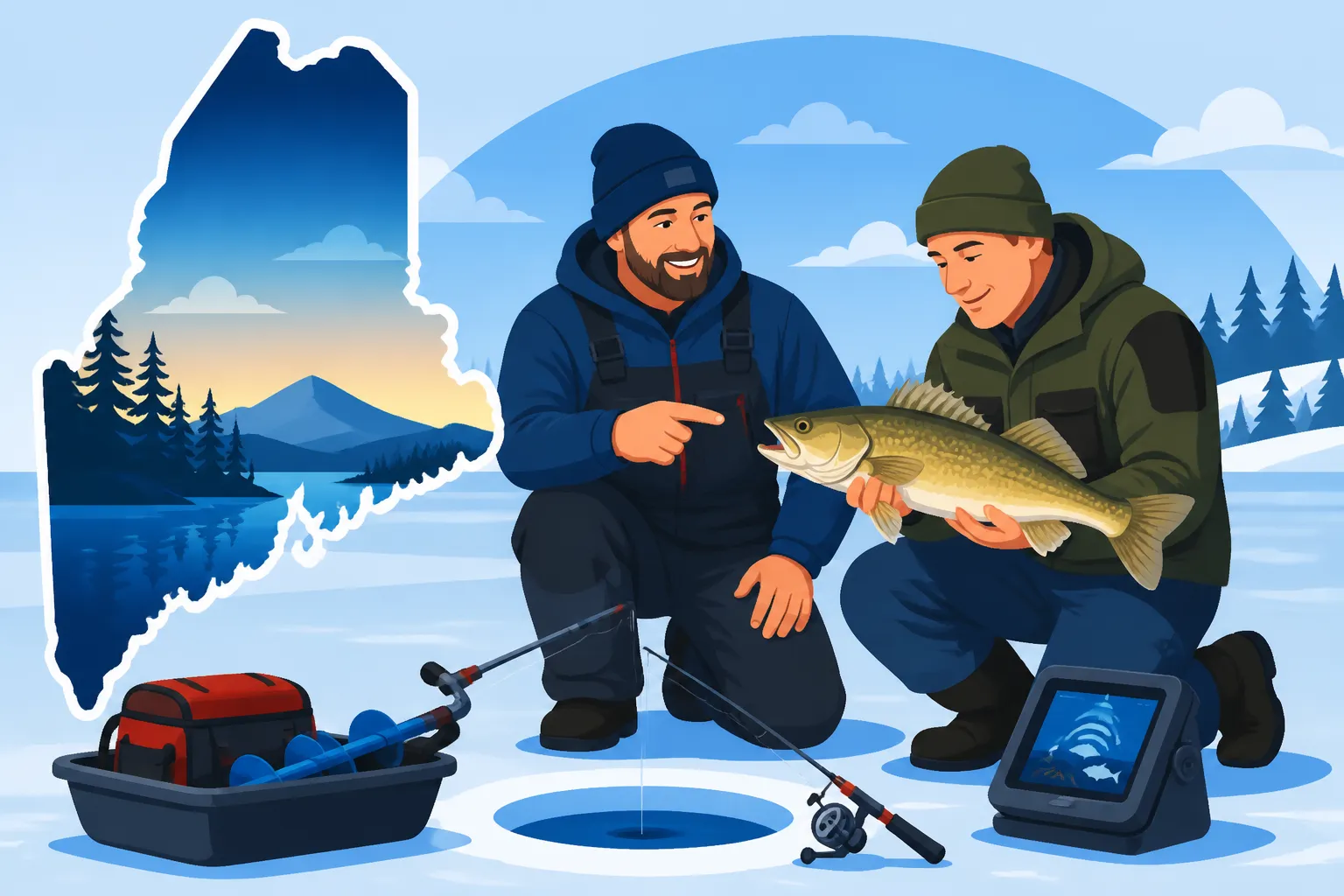
What Does an Ice Fishing Guide Provide in Maine?
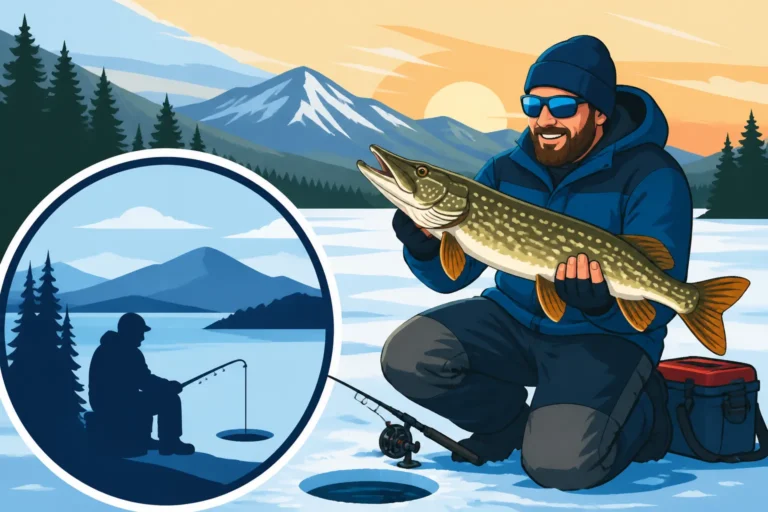
For many folks dreaming of a winter adventure on Maine's frozen lakes, the idea of ice fishing can seem a bit daunting. You might be picturing yourself shivering in the cold, fumbling with gear you don't understand, and not catching a single fish. It's a common concern, especially if you're not a seasoned ice angler. You wonder, "What exactly am I getting if I shell out for a guide? Is it really worth it, or am I just paying someone to drill a few holes?" This guide is here to clear up all that uncertainty, walking you through the comprehensive services and equipment that a professional Registered Maine Ice Fishing Guide typically provides, ensuring your experience on the ice is not only successful but also comfortable and memorable.
Beyond Just Finding Fish: The Guide's Expertise and Safety
When you hire a Maine ice fishing guide, you're not just getting someone who knows how to put bait on a hook. You're tapping into a wealth of local knowledge, years of experience, and a deep understanding of Maine's unique winter environment. This expertise is perhaps the most valuable "thing" a guide provides, often overlooked by those who only think about the gear.
Navigating Maine's Ice Conditions and Regulations
Safety is paramount on the ice, and this is where a guide truly shines. Maine's vast network of lakes and ponds can have incredibly varied ice conditions, even on the same body of water. What looks solid in one cove might be dangerously thin near an inlet or pressure ridge. A guide's intimate, often daily, knowledge of specific fishing spots means they know exactly where it's safe to venture and where to avoid. They've checked ice thickness, understood the local currents that can thin ice unexpectedly, and are constantly monitoring weather changes that impact safety. This peace of mind alone is worth a great deal, especially for those unfamiliar with the dynamics of winter ice.
Beyond just ice safety, guides are also experts on the ever-evolving Maine Fishing Regulations Explained. They know the specific rules for each water body, understanding nuances like special management regulations, slot limits, and bag limits that can vary dramatically from one lake to the next. For instance, they'll know if the lake you're on has a specific length limit for brook trout or if there are certain areas designated for catch-and-release only. This helps you avoid accidental violations, ensuring your trip is legal and worry-free.
Local Knowledge and Fish Behavior
Think of a guide as a living, breathing fishing report, updated in real-time. They aren't just looking at a map; they're reading the subtle signs of the ice, the weather, and the fish themselves. They know which lakes are currently "hot" for a particular species, be it hard-fighting togue in deep water, feisty brook trout in a smaller pond, or cruising landlocked salmon near structure. This knowledge isn't static; it changes daily with temperature fluctuations, snow cover, and recent fishing pressure.
A guide can tell you why the fish might be holding at a particular depth or near a certain underwater structure on Sebago Lake today, when yesterday they were biting aggressively closer to the surface on a different lake. They understand the feeding patterns of different species under the ice, knowing whether live bait or a specific jigging presentation will be most effective. This insider information maximizes your chances of success and turns a potentially frustrating day into an exciting angling experience, often saving you hours of unproductive hole-drilling and guesswork. You can trust that they've put in the legwork to find the fish before you even arrive.
Essential Gear and Equipment Provided
One of the biggest hurdles for anyone considering ice fishing is the sheer amount of specialized gear required. It’s expensive, bulky, and if you’re only going once a year, it hardly seems worth the investment. This is where an ice fishing guide truly makes the experience accessible, providing virtually everything you need for a comfortable and productive day on the ice.
Shelters and Heating for Comfort
Let's face it, Maine winters are beautiful but they can be brutally cold. Standing exposed on the ice for hours is no fun for anyone, especially families or first-timers. A good guide will provide comfortable, heated shelters. These can range from portable, insulated pop-up shacks that are quick to deploy, to more substantial shanties (often called "smelt camps" or "ice shacks") with built-in seating and stoves. Imagine arriving at a pre-set location to find a warm, dry sanctuary already waiting for you, complete with a propane heater radiating comforting warmth.
This provision eliminates the need for you to invest in a costly shelter or worry about hauling it across the ice yourself. It means you can shed some layers, warm your hands, and enjoy hot cocoa or a packed lunch in comfort, rather than battling the biting wind. For longer trips, or those with children, a heated shelter isn't just a luxury; it's a necessity that transforms the experience from an endurance test into a genuine pleasure.
Rods, Reels, and Tip-Ups
Forget about buying specialized ice fishing rods and reels! Your guide will have a full quiver of appropriate tackle for the species you're targeting. This includes sensitive, short jigging rods specifically designed to detect subtle bites from fish like perch or brook trout, as well as heavier setups for battling larger togue or salmon. They'll also provide and set up multiple tip-ups, which are devices that signal a bite by raising a flag, allowing you to cover a wider area and fish more lines. Understanding How Many Lines Are Legal for Maine Ice Fishing? is crucial, and your guide will ensure you're fishing within those limits.
Each rod and tip-up will be rigged correctly with the appropriate line, leaders, and hooks for the conditions and target species. They'll show you how to use them, demonstrating the subtle jigging motions that entice a bite or how to properly set the hook when a flag goes up. This means you don't have to spend time learning knots, spooling reels, or guessing what tackle to use – it's all handled for you, allowing you to focus purely on the fishing. You can even browse what specific guides offer on platforms like FishingBooker to confirm they have the right gear for your preferred species.
Augers, Bait, and Tackle
Drilling holes through thick Maine ice can be hard work, especially if you're using a hand auger. Guides come equipped with powerful tools, often gas-powered or electric augers, that make quick work of cutting multiple holes. This means less physical exertion for you and more time fishing. They'll strategically drill holes based on their knowledge of fish movement and bottom structure, setting you up for success.
Crucially, guides also provide the bait and tackle. This is often fresh, live bait like shiners or smelts, which can be difficult for casual anglers to source or keep alive. They'll also have a wide assortment of artificial lures, jigs, and flies tailored to Maine's waters and specific fish species, knowing exactly what's been working best that day. You won't have to guess at Best Bait for Maine Ice Fishing or worry about having the right color jig. All those little things – the lead weights (adhering to Maine Lead Jig Fishing Ban), swivels, and specific lures – are supplied and expertly managed by your guide, freeing you from the mental load of gear preparation. When searching for a guide, check out listings on sites like FishingBooker to see what bait and tackle are typically included in their package.
Instruction, Assistance, and the Full Experience
A guided ice fishing trip in Maine isn't merely about having the gear provided; it's about the entire immersive experience. From personalized instruction to expert assistance, your guide acts as a mentor, assistant, and host, ensuring your time on the ice is enjoyable and educational.
Hands-On Instruction and Techniques
For anyone new to ice fishing, or even those with some experience looking to refine their skills, the instructional aspect of a guided trip is invaluable. Your guide isn't just an equipment provider; they're a teacher. They'll patiently explain the basics, from how to properly hold an ice fishing rod and detect a subtle bite, to the most effective jigging techniques for different species. Want to learn how to set a hook more effectively? They’ll show you. Curious about how to manage a tip-up when a flag goes up? They’ll walk you through Setting Up Tip-Ups for Ice Fishing and the process step-by-step.
This hands-on coaching is tailored to your skill level. If you're bringing kids, the guide will often take extra time to make it fun and accessible for them, celebrating every little perch or brook trout caught. For more experienced anglers, they might share advanced tips on lure presentation or subtle fish behaviors. It's like having a private instructor whose sole focus is to enhance your understanding and enjoyment of the sport.
Fish Finding Technology and Strategy
Modern ice fishing relies heavily on technology, and guides often come equipped with sophisticated portable fish finders (sonar units) that can dramatically increase success rates. These devices allow them to "see" what's happening beneath the ice – locating fish, identifying underwater structure, and monitoring your bait's depth relative to the fish. Your guide will interpret these readings, helping you understand How to Read a Fish Finder for Ice Fishing and adjust your strategy accordingly. They might tell you to drop your lure another five feet because they see fish holding deeper, or suggest a different presentation based on how the fish are reacting to your bait on the screen.
This strategic deployment of technology takes the guesswork out of finding productive spots. Instead of drilling blind holes, you're targeting areas where fish are actively present, significantly boosting your chances of a catch. It's a fantastic way to learn about fish behavior in real-time and understand the unseen world beneath the ice. Platforms like FishingBooker often highlight if a guide utilizes advanced electronics, which can be a real game-changer.
Fish Handling, Cleaning, and the Memory-Making
Once you've hooked a fish, especially a larger one like a hefty togue or a spirited landlocked salmon, a guide's assistance is priceless. They'll help you land the fish safely, ensuring both your safety and the health of the fish. If you plan to keep your catch, they can expertly handle the fish, providing guidance on respectful dispatch and proper storage to maintain quality. Many guides will even offer to clean and fillet your fish at the end of the day, a service that many anglers truly appreciate after a cold day on the ice. If you're practicing catch and release, they'll demonstrate Catch and Release Best Practices in Maine to ensure the fish returns to the water unharmed.
Ultimately, a Maine ice fishing guide provides a complete, worry-free outdoor experience. They take care of the logistics, the safety, the gear, and the instruction, allowing you to relax, soak in the stunning Maine winter scenery, and focus on the thrill of the catch. It’s about creating lasting memories, sharing stories, and experiencing the unique charm of winter angling in one of the most beautiful states.
Here's a quick comparison of what you might expect on a DIY trip versus a guided experience:
| Feature | DIY Ice Fishing Trip | Guided Ice Fishing Trip |
|---|---|---|
| Ice Safety Knowledge | Relies on personal research, local reports, and experience | Expert local knowledge, daily ice condition checks, safe routes |
| Gear Provided | Must own/rent all gear (auger, shack, rods, bait, etc.) | All necessary gear (heated shack, auger, rods, bait, tackle) included |
| Hole Drilling | Physically demanding, manual or personal power auger | Guide uses efficient power auger, strategically places holes |
| Fish Location | Guesswork, trial & error, relying on public info | Guide's real-time knowledge, fish finder technology, experience |
| Instruction | Self-taught or learned from companions | Hands-on teaching of techniques, gear use, fish behavior |
| Comfort | Variable, dependent on personal gear | Heated shelters, often comfortable seating |
| Regulations | Personal responsibility to research and understand | Guide ensures full compliance with local rules & limits |
| Fish Cleaning | Done by angler (if desired) | Often offered as part of the service |
| Overall Effort | High (planning, hauling, setup, breakdown) | Low (focus on fishing and enjoyment) |
Disclaimer
This article is for general informational purposes only and does not constitute professional advice. Laws, prices and regulations vary by location and change over time. Consult a qualified professional for guidance on your specific situation.