Best Deep Sea Fishing Grounds Off Portland
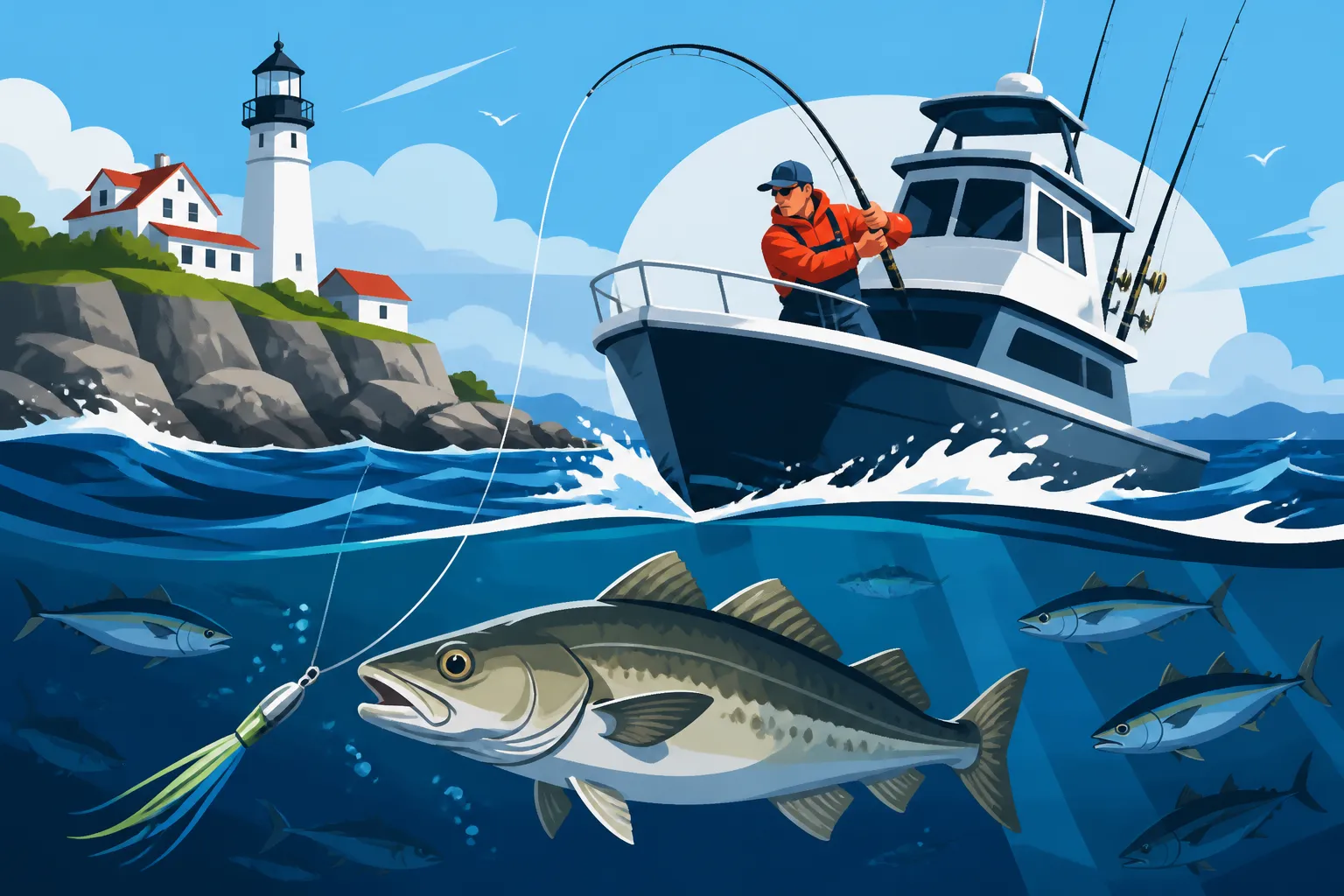
If you've ever dreamt of battling a powerful fish far offshore, with the vast expanse of the Atlantic stretching around you, then deep sea fishing off Portland, Maine, is likely calling your name. It's a truly exhilarating experience, but figuring out where to even start, especially with so many prime fishing grounds, can feel overwhelming. This guide is here to demystify the best spots for deep sea fishing out of Portland, helping you plan an unforgettable adventure.
Understanding Deep Sea Fishing Off Portland
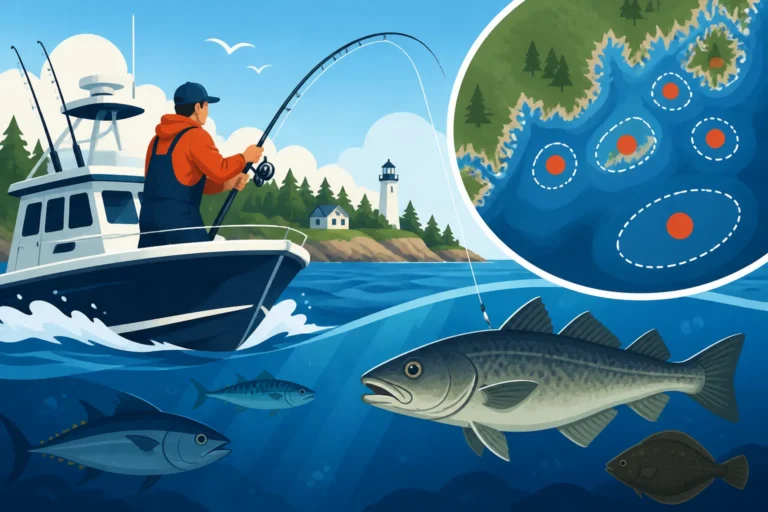
Deep sea fishing is a whole different ballgame compared to dropping a line in a local pond. It involves heading miles offshore into the open ocean, targeting larger, more powerful species that thrive in deeper, colder waters. Off the coast of Portland, Maine, this means venturing into the rich, diverse ecosystem of the Gulf of Maine, a highly productive body of water known for its abundant marine life.
What Makes Portland a Prime Deep Sea Hub?
Portland isn't just a charming coastal city; it's a strategic launching point for some incredible offshore angling. Its location along the central Maine coast provides relatively quick access to several renowned fishing grounds without requiring excessively long runs. The city boasts a robust working waterfront with numerous marinas and charter services ready to take you out. You'll find experienced captains who know these waters like the back of their hand, often with generations of knowledge passed down about the best spots and techniques.
The geology of the ocean floor off Portland is also a huge draw. It's not just a flat, sandy expanse. Instead, you'll find an incredible underwater landscape of ledges, banks, canyons, and rocky reefs – features that act as magnets for baitfish and, consequently, the larger predatory fish we seek. These structures provide shelter, feeding grounds, and spawning areas, creating a vibrant ecosystem just waiting to be explored.
Key Species You'll Encounter
When you head out from Portland for deep sea fishing, you're primarily targeting two main categories of fish: groundfish and pelagic species. The variety is part of what makes it so exciting!
Groundfish: These are the bottom-dwelling species that prefer the cooler, structured habitats of the ocean floor. You'll often be dropping lines straight down to target them.
- Cod: A classic deep sea target, cod are strong fighters and excellent eating. You'll find them lurking around rocky ledges and offshore banks.
- Haddock: Smaller than cod but equally delicious, haddock are often found in the same areas and respond well to bait fishing.
- Pollock: Known for their aggressive strikes and strong runs, pollock are a blast to catch and are plentiful in these waters.
- Cusk: A unique, eel-like groundfish with delicate, flaky white meat, cusk are often found in deeper, rocky crevices.
- Halibut: While less common, the occasional large Atlantic halibut can be a monumental catch, though they are often found further offshore and require specialized gear.
Pelagic Species: These are the open-water roamers, often migratory, that travel in schools or hunt larger prey.
- Tuna (Bluefin, Yellowfin): The ultimate prize for many offshore anglers. Maine is famous for its giant bluefin tuna, though these are serious undertakings requiring heavy gear and expert guides. Smaller bluefin, as well as yellowfin, can also be found in certain areas.
- Sharks: Mako, thresher, and blue sharks are all present in the offshore waters, offering incredible battles for those specifically targeting them. These are typically catch-and-release unless specifically permitted and kept for trophy or consumption.
- Striped Bass: While more commonly caught closer to shore or in estuaries, some of the largest striped bass will follow baitfish out into nearshore deep water during their migrations. However, for a dedicated pursuit of striped bass, you might look into specific "Maine Striped Bass Charters" closer to the coast.
Understanding these target species and their habits is crucial for choosing the right fishing grounds and techniques, ensuring a productive and rewarding trip.
Top Deep Sea Fishing Grounds Near Portland
The beauty of deep sea fishing off Portland lies in the proximity of several highly productive offshore fishing grounds. These underwater structures are veritable oases in the vast ocean, concentrating baitfish and, in turn, the larger predators you’re after.
Cashes Ledge: A Biodiversity Hotspot
Often considered one of the crown jewels of New England's marine environment, Cashes Ledge is a truly remarkable place, though it does require a longer run from Portland. Located about 80 miles offshore, it’s an underwater mountain range, complete with peaks and valleys, rising from depths of 600 feet to within 80 feet of the surface in some spots. This dramatic topography creates an upwelling of nutrient-rich waters, fostering an incredible diversity and abundance of marine life.
- Why it's special: Cashes Ledge is famous for its extraordinary biodiversity, including the largest cold-water coral reef in the Gulf of Maine. For anglers, this means a fantastic array of groundfish – giant cod, large haddock, hefty pollock, and elusive cusk. It's also a known area for larger pelagic species, particularly bluefin tuna, especially during their migratory seasons when they're chasing baitfish congregated around the ledge. The sheer size and remote nature of Cashes Ledge mean fish often grow larger and are less pressured than in closer-to-shore areas.
- What to expect: A trip to Cashes Ledge is a full-day commitment, often requiring an early start and late return. Given the distance, it’s typically reserved for experienced charter operations with fast, well-equipped boats. The fishing here can be truly epic, offering the chance at multiple species and potential trophy fish. Expect strong currents and potentially rougher seas due to its exposed location.
Platts Bank: Structure and Deepwater Species
Platts Bank is another significant offshore feature, lying roughly 60-70 miles east-southeast of Portland. While not as dramatically structured as Cashes Ledge, it's a large, relatively shallow bank (compared to the surrounding deep water) characterized by a mix of rocky bottom, gravel, and sand. The varied bottom contours and depths on Platts Bank create a fantastic habitat for a range of deep-water species.
- Why it's special: Platts Bank is a fantastic spot for consistent groundfish action, particularly haddock and cod. Its expansive nature allows for plenty of drift fishing over different depths and bottom types, increasing your chances of finding active schools. During the summer and fall, it can also attract pelagic species. Tuna often patrol the edges of the bank, feeding on abundant mackerel and herring. Sharks can also be found here, drawn by the same prey.
- What to expect: Trips to Platts Bank are still full-day affairs, similar to Cashes Ledge, but often slightly less demanding in terms of travel time. The fishing can be incredibly productive, with opportunities for high numbers of groundfish. Charters heading to Platts Bank will often employ a mix of jigging and bait fishing techniques to cover the water column and bottom effectively.
Jeffreys Ledge: A Popular & Productive Choice
Closer to shore, approximately 25-40 miles southeast of Portland, lies Jeffreys Ledge. This makes it a very popular choice for many charters, as it reduces travel time and allows for more actual fishing time. Jeffreys Ledge is a massive underwater plateau stretching for miles, with varied depths, rocky outcroppings, and sandy flats. Its accessibility and consistent productivity make it a go-to spot for both recreational anglers and commercial fishermen.
- Why it's special: Jeffreys Ledge is a renowned groundfish fishery, offering excellent opportunities for cod, haddock, and pollock throughout much of the year. It's particularly famous for its healthy haddock population. In the warmer months, especially from late summer into fall, Jeffreys Ledge becomes a hotspot for bluefin tuna, as they push baitfish against its contours. It's also a fantastic place to encounter sharks. Its sheer size means there’s always a new section to explore.
- What to expect: You'll find many Portland-based charters making regular runs to Jeffreys Ledge, offering both half-day and full-day trips. This is often an ideal choice for groups looking for a solid day of fishing without the extended travel of more distant banks. Techniques typically include bait fishing on the bottom with clams or mackerel, as well as jigging with metal jigs for more active fish. You might consider a trip to Jeffreys Ledge for a "Maine Deep Sea Fishing Charters" experience.
Here’s a quick comparison of these top grounds:
| Fishing Ground | Approximate Distance from Portland | Primary Target Species | Key Features | Best For |
|---|---|---|---|---|
| Cashes Ledge | 80 miles offshore | Cod, Haddock, Pollock, Cusk, Bluefin Tuna, Sharks | Underwater mountain range, cold-water corals, high biodiversity | Experienced anglers, trophy fish, diverse catches, full-day trips |
| Platts Bank | 60-70 miles offshore | Haddock, Cod, Pollock, Bluefin Tuna, Sharks | Large, expansive bank with varied bottom, good structure | Consistent groundfish, tuna opportunities, full-day trips |
| Jeffreys Ledge | 25-40 miles offshore | Haddock, Cod, Pollock, Bluefin Tuna, Sharks | Massive plateau, varied depths, highly accessible, popular | Excellent groundfish action, tuna in season, shorter travel, all skill levels |
Techniques and Gear for Portland Deep Sea Fishing
Deep sea fishing isn't just about finding the fish; it's about knowing how to catch them. The vastness of the ocean and the size of the target species demand specific techniques and robust gear.
Essential Gear for Offshore Success
For deep sea fishing off Portland, you'll need gear that can handle strong currents, deep depths, and powerful fish. Forget your freshwater spinning combo – this calls for heavy-duty equipment.
- Rods: Look for heavy to extra-heavy action conventional rods, typically 6 to 7 feet long. These rods need a strong backbone to lift heavy sinkers from the bottom and fight big fish. They should also have a sensitive tip to detect subtle bites in deep water.
- Reels: Conventional reels are the standard for deep sea fishing. They offer superior cranking power and line capacity compared to spinning reels for these applications. Models from trusted brands like Penn, Shimano, or Daiwa are popular choices. Ensure your reel has a smooth drag system, which is crucial for fighting large fish.
- Line: Braided line is almost universally preferred for deep sea fishing due to its minimal stretch, which provides excellent sensitivity for detecting bites and setting hooks in deep water. It also offers incredible strength for its diameter. Typically, 50-80 lb test braided line is a good starting point, often with a monofilament or fluorocarbon leader of 60-100 lb test.
- Terminal Tackle: You’ll need a variety of hooks (J-hooks or circle hooks depending on regulations and target species), heavy sinkers (8-16 oz or more, depending on current and depth), and heavy-duty swivels and snaps. Popular rigs include a simple two-hook dropper rig for groundfish or a more specialized chunking or trolling rig for tuna. Don't forget a sturdy gaff for landing larger fish!
- Lures & Bait: For groundfish, bait such as fresh clams, mackerel, or herring strips are highly effective. Metal jigs, in various weights and colors, are also excellent for jigging up cod and pollock. For tuna, large trolling lures, live bait (like mackerel or herring), or chunks of bait are common.
Effective Fishing Techniques
Different species and conditions call for different approaches when you're out on the deep blue.
- Bottom Fishing (Bait Fishing): This is the most common technique for groundfish like cod, haddock, and cusk. You’ll use a baited rig (often a two-hook dropper rig) dropped directly to the ocean floor. The goal is to present your bait near the bottom structure where these fish feed. When you feel a bite, a firm but steady hook set is often all that's needed.
- Jigging: An active and exciting method, jigging involves dropping heavy metal jigs (often diamond jigs or large flutter jigs) to the bottom and then rhythmically lifting and dropping your rod tip. This motion makes the jig dart and flash, imitating an injured baitfish, which triggers aggressive strikes from pollock, cod, and even tuna. The fight on a jig can be incredibly intense.
- Trolling: Primarily used for pelagic species like tuna, trolling involves dragging lures or rigged baits behind a moving boat at specific speeds and depths. The idea is to cover a lot of water and present your offering to actively feeding tuna. Different depths can be achieved using planers, downriggers, or specialized lines like leadcore or wire. Charters specifically focused on tuna, often found through services like FishingBooker, will specialize in these techniques.
- Chumming: For species like sharks or sometimes tuna, chumming involves dispersing bait pieces (often ground fish or oily fish) into the water to create a scent trail that attracts fish to the boat. This can be combined with bait fishing or live lining.
Planning Your Deep Sea Adventure from Portland
A successful deep sea fishing trip from Portland requires careful planning. From choosing the right vessel to understanding seasonal patterns, a little preparation goes a long way.
Choosing the Right Charter
Unless you own a serious offshore fishing vessel and have extensive experience in these waters, booking a reputable fishing charter is the way to go. It offers safety, expertise, and all the necessary gear.
- Experience and Reputation: Look for captains with years of experience fishing the specific grounds you're interested in. Ask about their catch rates and what they typically target. Online reviews and word-of-mouth are invaluable.
- Boat Size and Equipment: Ensure the boat is appropriate for offshore conditions and the number of people in your party. A well-maintained vessel with modern electronics (sonar, radar, GPS) is essential for safety and finding fish.
- Target Species: Be clear about what you want to catch. Some charters specialize in groundfish, while others are dedicated to the pursuit of giant bluefin tuna, which requires different gear and tactics.
- Cost and Inclusions: Understand what the charter fee includes (e.g., bait, tackle, licenses – though passengers often need their own Maine Fishing License Guide). Don't be shy about asking if a mate is included and what the tipping etiquette is. Services like FishingBooker are a great way to compare options, read reviews, and see what's included with different Portland-based charters.
- Group vs. Open Boat: Decide if you want a private charter for your group or if you're comfortable joining an "open boat" trip with other anglers. Open boats are typically more cost-effective for individuals or small parties.
Best Time of Year to Go
The best time to go deep sea fishing off Portland largely depends on what you hope to catch. Maine's seasons dictate the migratory patterns and feeding habits of various species.
- Spring (April – May): As waters warm, groundfish like cod and haddock become more active after the winter. This can be a productive time, though weather can still be unpredictable.
- Summer (June – August): This is peak season for many species. Haddock and cod fishing remains strong, and pollock become more abundant. Late summer often sees the arrival of bluefin tuna, especially around Jeffreys Ledge and Cashes Ledge, as they follow vast schools of baitfish. The weather is generally more stable, making for more comfortable trips. You'll find many options for "Maine Summer Fishing Guide" trips during these months.
- Fall (September – October): Many seasoned anglers consider fall the best time for deep sea fishing. Tuna fishing can be exceptional as they feed heavily before migrating south. Groundfish remain plentiful, and cooler temperatures often mean less fishing pressure. However, the weather can turn quickly, so always check forecasts. You might find guides specializing in "Maine Fall Fishing Guide" trips.
- Winter (November – March): Deep sea fishing in winter is possible but much less common due to harsh weather conditions. Some dedicated groundfish trips might occur, but most charters are inactive.
Important Regulations and Safety
Before you head out, familiarize yourself with Maine fishing regulations. These can change, so it's wise to check the latest rules from the Maine Department of Inland Fisheries and Wildlife (MDIFW) or the National Oceanic and Atmospheric Administration (NOAA) for federal waters.
- Licenses: For freshwater fishing, you'll generally need a state license. For saltwater, recreational anglers are usually required to register with the Maine Saltwater Fishing Registry Guide which is free. If you're on a licensed charter boat, passengers often don't need individual permits for federal waters, but always confirm with your captain.
- Size and Bag Limits: Different species have specific size and bag limits. For example, there are strict rules for "Maine Fish Bag Limits Guide" for species like cod, haddock, and tuna to ensure sustainable fishing practices. Your captain will be well-versed in these.
- Safety First: Always prioritize safety. Listen to your captain, wear appropriate clothing for offshore conditions, and bring seasickness medication if you're prone to it. Modern charters are equipped with essential safety gear, but your personal preparedness is key.
Deep sea fishing off Portland offers an incredible opportunity to connect with the power and beauty of the Atlantic. With the right planning and knowledge, you’re well on your way to an unforgettable adventure on the high seas.
Disclaimer
The information provided in this guide is for general informational purposes only and does not constitute legal or professional advice. Fishing regulations, seasons, and conditions can change rapidly. Always consult the latest official regulations from the Maine Department of Inland Fisheries and Wildlife (MDIFW) and federal authorities like NOAA before planning any fishing trip. Safety should always be your top priority when on the water.