Maine 7-Day Nonresident Fishing License
Planning a fishing trip to Maine from out of state can feel like navigating a maze of regulations, especially when you're only coming for a short spell. You want to spend your precious vacation time on the water, not wrestling with paperwork or worrying if you've got the right permits. This guide is here to clear up all the confusion surrounding the Maine 7-Day Nonresident Fishing License, helping you understand exactly what it is, why it might be your best option, and how to get one so you can focus on reeling in that trophy catch.
Understanding the Maine 7-Day Nonresident Fishing License
For those of you visiting our beautiful state, the thought of buying a full-season fishing license when you're only here for a week or two might seem like overkill, not to mention an unnecessary expense. That's where the 7-Day Nonresident Fishing License truly shines. It's designed specifically for visitors who want to enjoy Maine's incredible freshwater fishing opportunities without committing to a full year.
Who This License Is For
This particular license is tailored for anglers who aren't residents of Maine but plan to fish in our freshwater lakes, rivers, and ponds for a specific, shorter duration. Maybe you're on a family vacation to Sebago Lake, planning a remote canoe trip through the Allagash Wilderness Waterway, or just passing through and want to wet a line for a few days. Whatever your reason for a short visit, if you're not a Maine resident, this license is likely your go-to. It simplifies the process, ensuring you're legally covered without having to purchase a more extensive (and expensive) annual license that you won't fully utilize. It’s perfect for that week-long summer getaway when fishing is just one part of your adventure.
What the 7-Day License Covers
The 7-Day Nonresident Fishing License primarily covers all inland waters of Maine. This includes the vast majority of our famous lakes like Moosehead Lake and the Rangeley Lakes, countless rivers, and smaller ponds. It allows you to legally pursue popular freshwater species such as landlocked salmon, brook trout, lake trout (or "togue," as we call them here), and both smallmouth and largemouth bass. However, it's crucial to understand that this license is only for freshwater fishing. If your angling plans include casting a line in the ocean, a tidal river mouth, or any other saltwater body, you'll need to secure additional permits. For those planning to venture into the briny deep, you'll want to look into the requirements for the Maine Saltwater Fishing Registry Guide. Always double-check your intended fishing location to ensure it falls under freshwater regulations.
Advantages and Considerations for a Short-Term License
Deciding on the right fishing license for your Maine adventure involves weighing a few factors. While the 7-Day Nonresident license offers convenience and cost savings for many, it’s not always the perfect fit for everyone. Let’s dive into the pros and cons so you can make an informed decision for your trip.
Cost-Effectiveness for Shorter Trips
One of the most compelling reasons to opt for a 7-Day Nonresident license is its cost-effectiveness. Let's be real: vacation budgets can be tight, and every dollar counts. If you’re only visiting Maine for a week or less and purely focused on freshwater fishing, purchasing a full season nonresident license would mean paying for many months of access you simply won't use. The 7-Day option provides a much more budget-friendly alternative, ensuring you comply with regulations without overspending. This way, you can save those extra dollars for local bait and tackle, a souvenir from a charming Maine shop, or maybe even a delicious lobster roll. For visitors, it's often the cheapest way to fish in Maine as a visitor for a short period.
Comparing with Other Nonresident Options
Maine offers several nonresident fishing license options, and it’s easy to get overwhelmed. Beyond the 7-day license, you’ll find 1-day, 3-day, 15-day, and full season nonresident licenses. Each has its niche. A 1-day or 3-day license is ideal if your fishing window is truly minimal, say, just a quick afternoon outing or a weekend getaway. If you’re planning an extended vacation, perhaps two weeks or more, the 15-Day Nonresident Fishing License might offer better value, or even a full season license if you anticipate multiple trips throughout the year.
The key is to match the license duration to your actual planned fishing time. For example, if you arrive on a Saturday and plan to fish every day until the following Friday, the 7-day license covers you perfectly. If you arrive on a Monday and leave by Wednesday, a 3-Day Nonresident Fishing License would be more appropriate. It's a bit like buying groceries; you don't want to buy a month's supply if you're only cooking for a week. Always consider your exact travel dates and how many days you truly intend to spend fishing.
Potential Limitations to Keep in Mind
While the 7-day license is fantastic for its intended purpose, it does come with some limitations you need to be aware of. As mentioned, it exclusively covers freshwater fishing. If you plan to explore the coastal waters for striped bass or cod, a separate registration for saltwater fishing is essential. Additionally, the clock starts ticking the moment you purchase it or on the specific start date you designate. There’s no pausing or extending it, so plan your purchase carefully to maximize its validity period.
Another point to remember is that this license doesn't exempt you from specific local or regional regulations. Even with a valid state license, individual lakes, rivers, or streams may have their own special rules regarding bag limits, length limits, or even catch-and-release only sections. For instance, specific rules might apply to brook trout daily bag limits in the North Zone versus the South Zone. Always consult the latest Maine Fishing Regulations Explained guide or the current law book from the Maine Department of Inland Fisheries and Wildlife (MDIFW) to avoid any surprises. You can often find these resources online or at local bait shops.
How to Secure Your Maine 7-Day Nonresident Fishing License
Getting your fishing license in Maine is a fairly straightforward process, designed to be as convenient as possible for visitors. You have a couple of primary avenues to choose from, depending on what works best for your travel plans and preferences.
Purchasing Online Before Your Trip
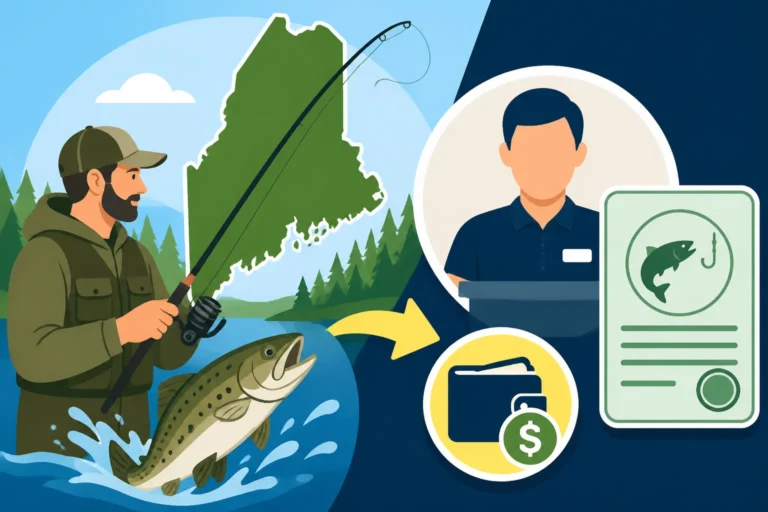
In this digital age, buying your Maine fishing license online is often the easiest and most recommended method. You can do this from the comfort of your home, even before you pack your bags! The official Maine Department of Inland Fisheries and Wildlife (MDIFW) website is your go-to portal. Simply navigate to their licensing section, select the "Nonresident" category, and then choose the "7-Day Fishing" option. You'll need to provide some basic personal information, such as your name, address, date of birth, and typically a driver's license or state ID number.
One of the biggest perks of buying online is receiving an instant digital copy of your license. You can print it out and keep it with your gear, or, in many cases, simply keep it on your smartphone or tablet. This means no scrambling to find an open store once you arrive in Maine. It’s also a great opportunity to review the Maine Fishing Season Dates Guide and other regulations at the same time, ensuring you're fully prepared for your trip. Make sure your printer has ink, or your phone is charged, before heading out!
Buying In Person at a Local Vendor
If you prefer a more traditional approach, or if your travel plans are spontaneous, you can absolutely purchase a 7-Day Nonresident Fishing License in person once you arrive in Maine. There are numerous authorized license agents located throughout the state. These agents include most town clerks' offices, many sporting goods stores, some general stores, and even some convenience stores.
When purchasing in person, you'll still need to bring a valid form of identification, typically a driver's license from your home state. The vendor will process your information, and you'll walk away with a physical copy of your license right then and there. This method can be particularly helpful if you have questions about specific local regulations or need advice on where to buy bait or fishing gear, as the staff at these locations are often fellow anglers themselves. For instance, many sporting goods stores carry popular brands like Rapala lures or PowerBait, which might be exactly what you need. Just remember that operating hours vary, so it’s always a good idea to check ahead, especially if you’re arriving late in the day or on a weekend. If you're wondering where to buy a Maine fishing license, a quick online search for "Maine fishing license agents near me" should point you in the right direction.
Cost Breakdown and Value Analysis
Understanding the actual cost of your Maine 7-Day Nonresident Fishing License is paramount for budgeting your trip. It's not just about the sticker price; it's about comparing it against other options to ensure you're getting the best value for your particular angling plans.
Current 7-Day Nonresident License Fees
The fees for a Maine 7-Day Nonresident Fishing License are subject to change, so always check the official MDIFW website for the most current pricing. However, as of recent information, the cost for a 7-day nonresident freshwater fishing license is typically around $43. This fee contributes directly to the conservation and management of Maine's fisheries, so you can feel good knowing your purchase supports the very resources you're enjoying. This price usually includes a small agent fee if purchased in person, which covers the administrative costs for the vendor processing your license.
This fee makes it a very attractive option for tourists planning a focused fishing trip, as it's significantly less than a full-season nonresident license, which can often be upwards of $60 to $70. If you're thinking about whether to buy a Maine Nonresident Fishing License Cost 2026, keep in mind prices may adjust slightly year over year, so always confirm before your trip.
Comparing Costs with Other License Durations
To truly appreciate the value of the 7-day license, let's put it into perspective with other nonresident options.
| License Type | Estimated Cost (Freshwater Nonresident) | Best For |
|---|---|---|
| 1-Day Fishing License | ~$12-15 | A single, brief fishing outing. |
| 3-Day Nonresident Fishing License | ~$25-30 | A long weekend trip. |
| 7-Day Nonresident Fishing License | ~$43 | A week-long vacation with regular fishing. |
| 15-Day Nonresident Fishing License | ~$50-55 | An extended vacation (1.5-2 weeks). |
| Season (Annual) License | ~$65-70 | Multiple trips throughout the year, or trips longer than 2 weeks. |
Note: These are approximate costs and can change. Always verify current prices on the official MDIFW website.
As you can see from the table, if your trip falls squarely within that 7-day window, this license offers the sweet spot between affordability and sufficient coverage. Opting for a 15-day license if you're only fishing for 7 days would mean paying extra for days you won't use. Conversely, buying two 3-day licenses to cover a full week would likely cost you more than the single 7-day option. Planning your license purchase strategically can save you money, leaving more in your wallet for things like specialized lures you might find on Amazon for your trip, or that fancy new fishing hat you've been eyeing.
Key Regulations and Compliance for 7-Day Anglers
Possessing a valid 7-Day Nonresident Fishing License is your first step, but it’s just one piece of the puzzle for a responsible and enjoyable fishing trip in Maine. You still need to be aware of and adhere to the broader rules that govern fishing in our state. These regulations are in place to protect fish populations and ensure healthy ecosystems for everyone.
General Fishing Laws to Heed
Maine has a comprehensive set of fishing regulations that apply to all anglers, regardless of their license type. These cover everything from fishing methods to daily limits and length restrictions. For instance, there are rules governing how many lines you can use for Maine open water line limits, and these differ significantly from the rules for ice fishing. You'll need to know the specific bag and length limits for each species you target. For example, Maine Landlocked Salmon Bag Limits might dictate a different size and quantity than those for brook trout. These rules can also vary by waterbody and region, with Maine having a distinct North Zone vs South Zone Fishing Rules for certain species.
It's critical to carry your license with you while fishing, either a physical copy or a digital one on your phone. Game Wardens frequently patrol our waters, and being able to produce your license upon request is mandatory. Ignorance of the law is never an excuse, and fishing without a license in Maine or violating other regulations can lead to hefty fines and even confiscation of your gear. Trust me, the penalty for keeping an undersized fish or exceeding your bag limit is a story you definitely don't want to tell when you get home.
Specific Species and Waterbody Regulations
Beyond the general laws, many of Maine’s renowned fishing spots and prized species come with their own specific rules. This is where things can get a little tricky, but it’s crucial to understand. Before heading out to a specific lake or river, you should always consult the official Maine Department of Inland Fisheries and Wildlife (MDIFW) open water or ice fishing law book. This comprehensive guide outlines special regulations for particular waters, which might include:
- Trophy Fish Regulations: Certain waters are managed for trophy-sized fish, often with stricter length limits or catch-and-release-only rules.
- Gear Restrictions: Some waters might restrict the use of live bait, or only allow artificial lures or fly fishing.
- Seasonal Closures: While your 7-day license is valid for the duration, some waters or specific sections might have seasonal closures for certain species, especially during spawning periods.
- Special Zones: As mentioned, different zones might have different rules. Knowing whether you're in the North or South Zone for specific species like bass is important. For instance, what zone is Moosehead Lake in for Maine fishing rules?
This information is usually clearly marked in the law book, which you can typically pick up at any license agent, or find a digital version on the MDIFW website. A quick check will prevent you from accidentally violating a rule that could cost you an unexpected fine. It's a bit like checking the weather before you leave; it just makes for a better, safer, and more legal trip.
Maximizing Your Week: Planning Your Fishing Adventure
You've got your 7-day nonresident license, you're clear on the rules, and now it's time for the fun part: planning your actual fishing adventure! A week in Maine can fly by, so making the most of your time on the water requires a little foresight.
Top Freshwater Destinations for Short Trips
Maine is absolutely brimming with fantastic freshwater fishing opportunities, making it hard to pick just one spot for your week-long adventure. For many, the big lakes offer incredible experiences.
- Sebago Lake: Just outside of Portland, Sebago is famous for its landlocked salmon and lake trout. It's a huge body of water, offering plenty of room to explore, and has some great public boat launches. You might want to check out some Sebago Lake Landlocked Salmon Fishing in Maine.
- Moosehead Lake: Up in the heart of the North Woods, Moosehead is Maine’s largest lake and a prime destination for wild brook trout and substantial togue. The sheer size and wildness of it are an experience in themselves.
- Rangeley Lakes Region: This area is a fly-fishing paradise, particularly for native brook trout and feisty landlocked salmon. The various lakes and connecting rivers offer diverse fishing experiences.
- Belgrade Lakes: Known for excellent bass fishing, especially smallmouth bass, and good opportunities for salmon and trout, these lakes offer a slightly more accessible option in central Maine.
If you’re looking for a quieter experience or chasing brook trout, consider some of the smaller ponds and streams. Many of these offer exceptional solitude and pristine wild trout fishing. However, always verify access, as some remote ponds might require a bit more planning or even private land access permissions.
Essential Gear and Supplies for a Week of Fishing
Having the right gear makes all the difference for an enjoyable week of fishing. While your license covers the legal aspect, your equipment ensures success and comfort.
- Rods and Reels: Depending on what you're targeting, you'll want appropriate setups. A medium-action spinning rod with 6-8 lb test line is a versatile choice for many Maine freshwater species. If you're into fly fishing, a 5- or 6-weight rod is a good all-around option.
- Tackle Box Essentials: Pack an assortment of lures and baits. For salmon and trout, spoons, stickbaits, and small jigs are often effective. Bass anglers will want soft plastics, crankbaits, and topwater lures. Don't forget swivels, hooks, sinkers, and extra line! Brands like Berkley and Mister Twister make reliable soft plastics you can find at most sporting goods stores or even on Amazon.
- Safety Gear: Always include a first-aid kit, a whistle, sunscreen, insect repellent (the Maine mosquitos and black flies are no joke!), and a reliable map or GPS device, especially if you’re heading into more remote areas. A life jacket is non-negotiable if you're on a boat or kayak.
- Clothing: Layering is key in Maine, as weather can change quickly. Pack waterproof outer layers, warm fleece or wool for cooler mornings and evenings, and breathable materials for sunny afternoons. Waterproof boots are also a smart choice.
- Miscellaneous: A good pair of polarized sunglasses will help you spot fish and protect your eyes. A fishing net is crucial for safely landing and releasing fish. And, of course, snacks and plenty of water to stay hydrated! Consider packing a small, waterproof dry bag for your phone, keys, and wallet.
Thinking through these details beforehand will save you time and potential headaches, allowing you to fully immerse yourself in the natural beauty and fantastic fishing Maine has to offer during your week-long visit.
Disclaimer
Please note that fishing regulations in Maine can change. While this guide provides the most up-to-date information at the time of writing, it is essential to always consult the official Maine Department of Inland Fisheries and Wildlife (MDIFW) website or their current law book for the most accurate and recent regulations before heading out to fish. This guide is for informational purposes only and should not be considered legal advice.